

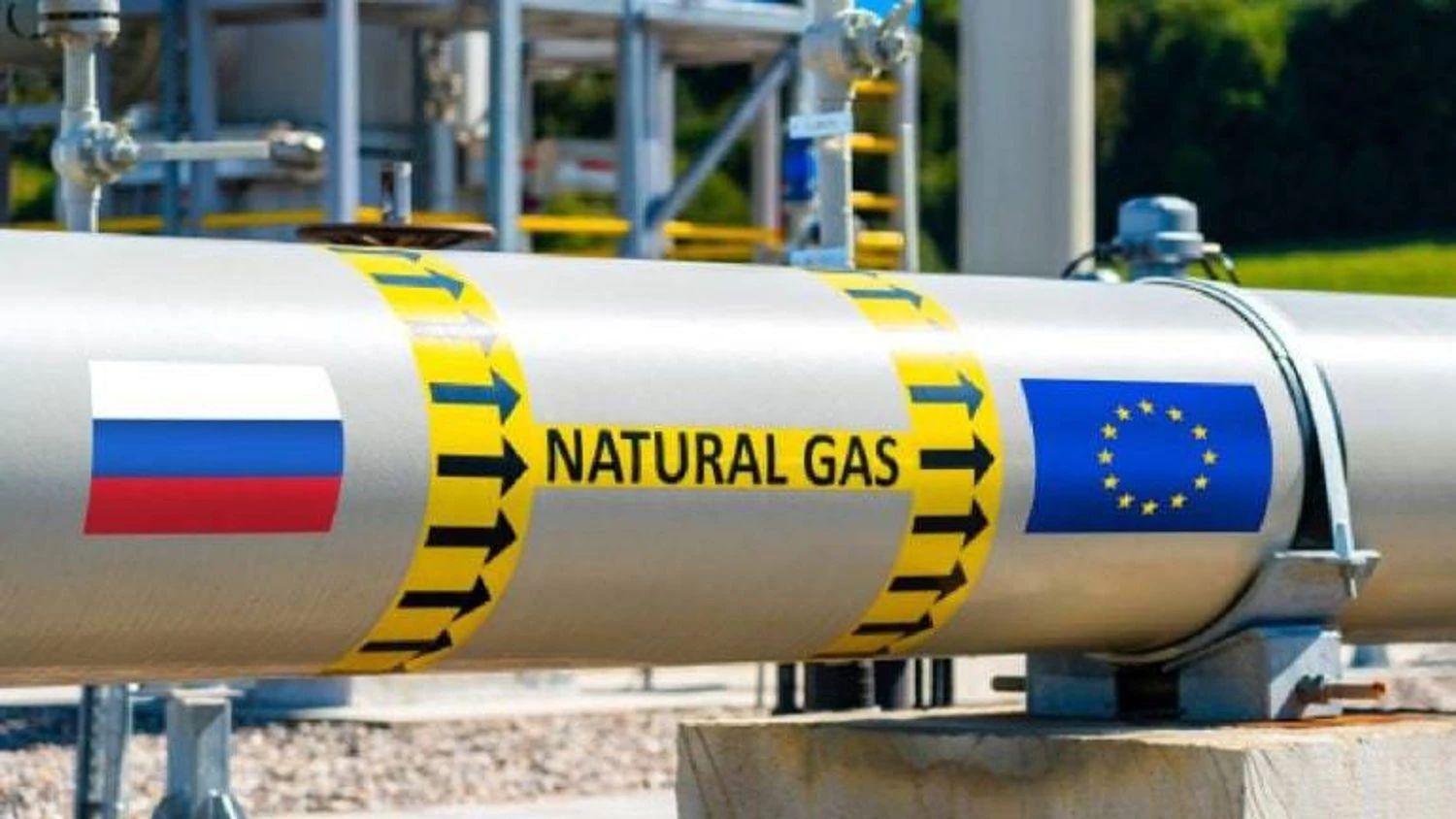
The European Council and the European Parliament announced on Wednesday that they have reached a provisional agreement to gradually phase out all Russian natural gas imports by 2027, marking one of the EU’s most significant steps yet toward energy independence.
According to the Council’s statement, the new regulation introduces a legally binding, step-by-step prohibition on Russian liquefied natural gas (LNG) and pipeline gas. The EU aims to enforce a complete ban on LNG imports by the end of 2026, followed by a full halt to pipeline gas imports by autumn 2027. The regulation also stipulates that all Russian gas imports—whether LNG or via pipelines—will be banned six weeks after the rules come into force, while allowing a transition period for existing contracts.
To ensure a smooth transition, all EU member states will be required to submit national diversification plans outlining how they intend to secure alternative gas supplies and what challenges they anticipate. These plans are intended to help the bloc end its dependence on Russian gas within the established deadlines.
The agreement also strengthens the European Commission’s monitoring role. Member states must notify the Commission within one month of the regulation’s entry into force to declare whether they hold any ongoing Russian gas supply contracts or any national bans on such imports.
In an effort to protect the EU’s energy stability, negotiators decided to maintain the “suspension clause,” which allows the regulation to be temporarily halted if unforeseen events threaten the energy supply of one or more member states. Additionally, the conditions under which the Commission may lift the import ban have been tightened, permitting such measures only in strictly necessary situations—such as declared national emergencies—and only for short durations and short-term supply contracts.
The provisional agreement must now receive formal approval from both the European Council and the European Parliament before it can be officially adopted.