


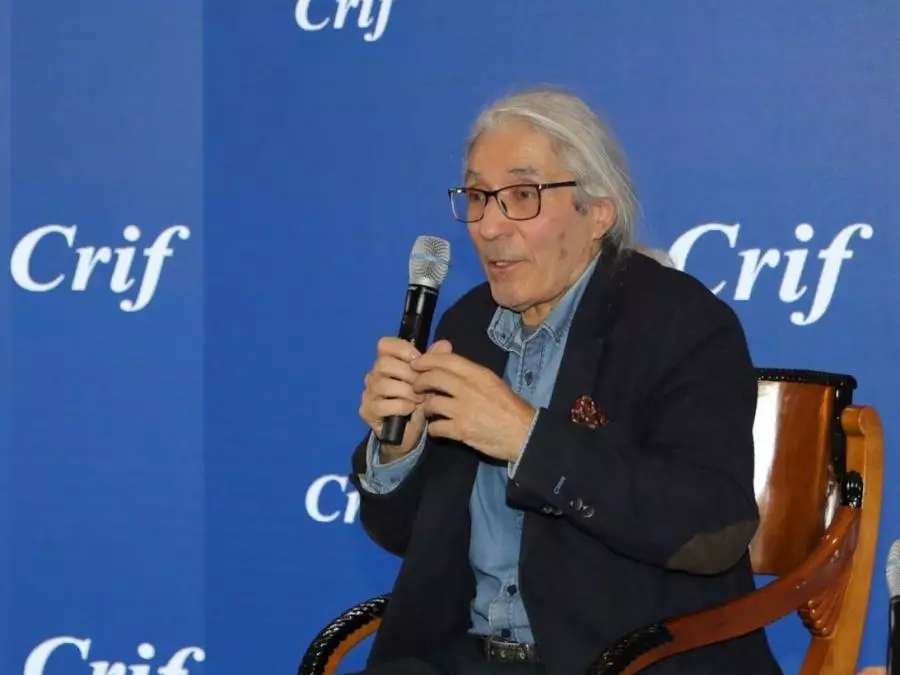
Writer Boualem Sansal’s latest statements regarding his intention to leave France have sparked sharp reactions from the French public, who have highlighted his tendency to betray his country of residence repeatedly.
“Ironically, after betraying his own country, Algeria, he is now, just a few months later, turning around to destroy the image of the country that has done everything for him. France bought a traitor and is shocked to have ended up with one,” entrepreneur and geopolitical commentator Arnaud Bertrand wrote indignantly on social media.
“One of the first things Sansal did, alongside the accomplices of the Gaza genocide, was to sign the petition calling for the adoption of the vile Yadan law, which criminalizes criticism of the genocidal pariah (Zionist entity), the massacre in Gaza, and the murderous apartheid in the West Bank. Message received, Sansal. Permanently disqualified,” wrote Régis de Castelnau, a lawyer and legal columnist, on social media.
For his part, journalist Jean-Michel Aphatie said he was “surprised” to note that Sansal “holds a grudge against the whole of France, which nevertheless protected him and even facilitated his election to the French Academy.” He maintains that the author “was manipulated from start to finish by a fake support committee serving CNEWS” and that he was “a hostage of the French editorial and political far right.” Before betraying his host country, whose nationality he obtained a little over a year ago, Boualem Sansal turned against his own publisher, Gallimard, which had nevertheless supported him for much of his career. Upon his return to France, he did not hesitate to join the publishing house Grasset, now owned by Vincent Bolloré, a prominent figure of the far right.
Boualem Sansal joined Grasset, judging that Gallimard had not done enough for him, at a time when as many as 200 authors were leaving the publishing house owned by Bolloré. These writers denounced an ideologically driven takeover, arguing that the far right had effectively seized control of one of the country’s most prestigious publishing houses.
He was then sharply criticized by a large part of French public opinion, which saw him as an opportunist unhesitant to betray his own. It goes to show that, after yet another betrayal, Boualem Sansal once again finds himself disavowed.