
Greece: Thessaloniki metro opens after 22 years of construction, showcasing ancient artefacts

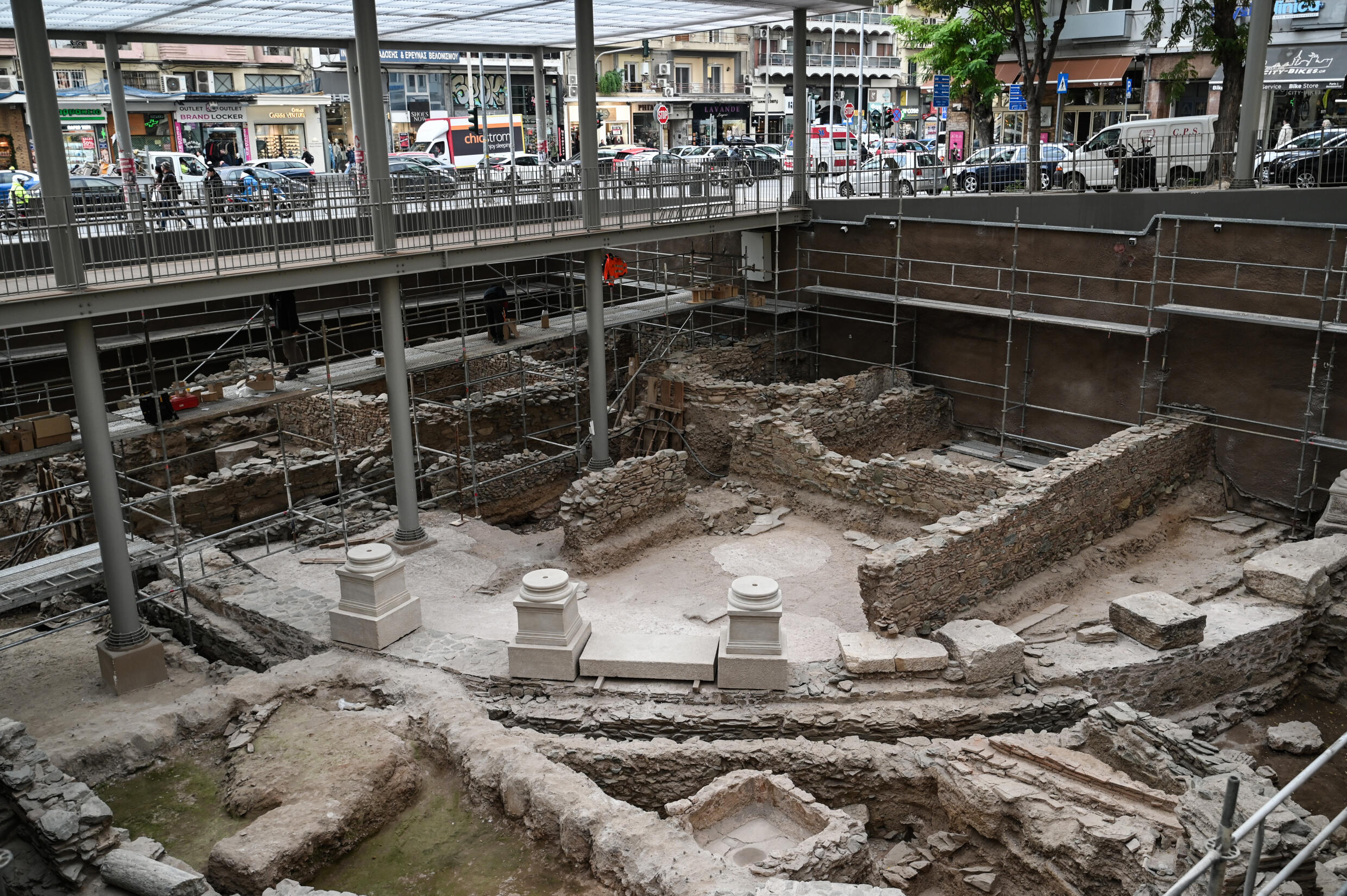
ATHENS – A metro system in Greece’s second city, Thessaloniki, officially opened on Saturday, with stations displaying the same ancient artefacts that nearly derailed the project’s completion.
During construction, which began in 2006, workers discovered a Byzantine-era market, a Roman cemetery, and other treasures of the city’s long and varied history.
The finds stalled the metro’s progress and raised questions about how the city would modernise while protecting its rich past. The answer was to blend the two by displaying the uncovered artefacts for modern-day commuters to enjoy.
“Archaeologically, it has been an extremely complex and difficult endeavour,” said the culture minister, Lina Mendoni, referring to over 300,000 discoveries made since construction began 22 years ago. “To get here required a battle on many fronts.”
“This is not just a public works project, which is incredibly important for the city. It is also a museum,” Greek Prime Minister Kyriakos Mitsotakis said before visiting the Venizelou station for a private tour on Friday.
“It’s probably unique in the world. We will go through an underground museum to reach the train.”
The metro took nearly 20 years to complete, in part because of funding problems during Greece’s 2009-2018 debt crisis. It is the first such system in Greece outside Athens.
Builders had to dig deeper than originally planned—up to 31 meters—to make sure the tunnels ran below the archaeological findings, according to the project’s contractor.
“It is an opportunity for Thessaloniki to become a second Rome in terms of antiquities,” said Melina Paisidou, one of the archaeologists to discover the relics underground.
The discovery of unprecedented treasures—many of which will be displayed in the 13 “archaeo-stations”—offers a modern journey through the layered history of a metropolis with a 2,300-year legacy, shaped by Romans, Byzantines, and Ottomans.
Among the finds are two marble squares, an early Christian basilica, a Roman-era thoroughfare, water and drainage systems, and ancient Greek burial sites rich with jewellery and gold.