
World leaders fear broader escalation after major attack on Iran

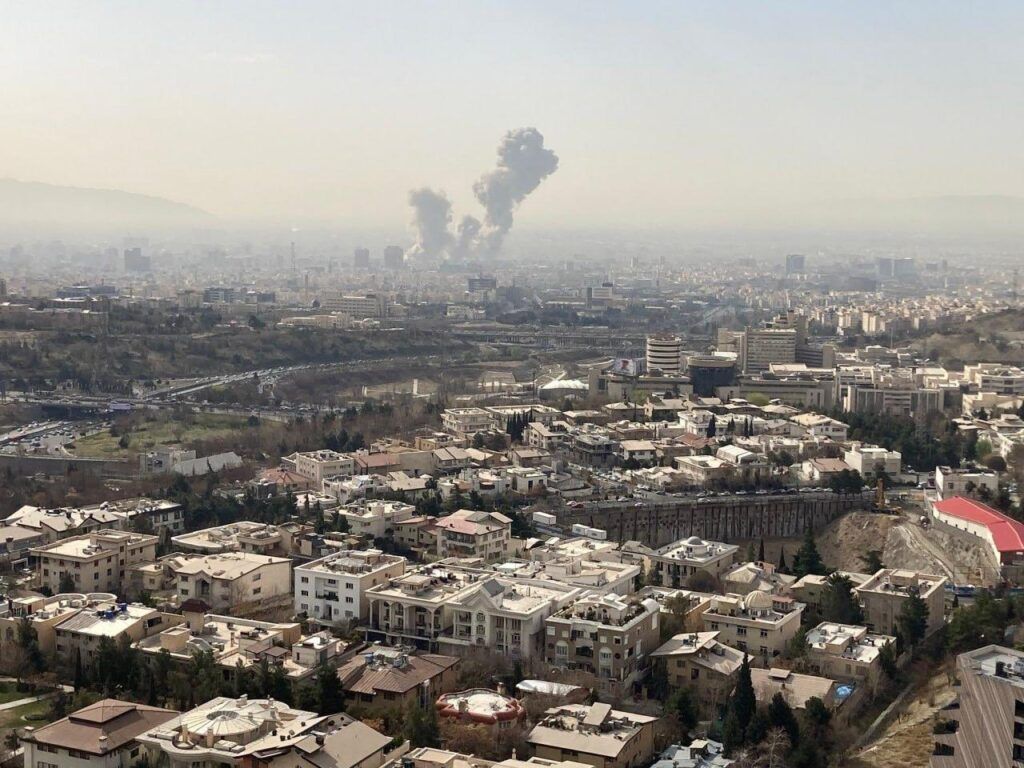
European leaders held emergency security meetings and scrambled to protect their citizens in the Middle East after U.S. and “Israeli” strikes on Iran on Saturday that triggered global concerns of escalation into a broader conflict.
French President Emmanuel Macron called for an emergency U.N. Security Council meeting in response to the attack. Germany and the U.K. are holding their own emergency meetings Saturday to discuss the situation. The European Union is evacuating some staff from the region and European leaders are planning to coordinate further responses.
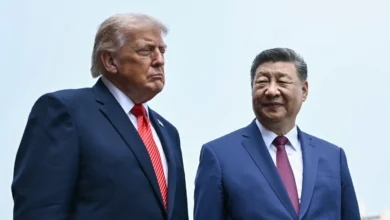
The responses come after the U.S. and “Israel” launched a major attack on targets across Iran, and U.S. President Donald Trump called on the Iranian people to “take over your government” — an extraordinary appeal that suggested they could be seeking regime change.
It was unclear whether U.S. allies were given any advance warning of the attacks. The German government said it was only given notice Saturday morning.
European Union leaders issued a joint statement calling for restraint and engaging in regional diplomacy in hopes of “ensuring nuclear safety.”
“We call on all parties to exercise maximum restraint, to protect civilians, and to fully respect international law,” said European Commission President Ursula von der Leyen and European Council President António Costa.
Malaysian Prime Minister Anwar Ibrahim condemned “Israeli” strikes on Iran and accompanying U.S. military action, warning that the escalating conflict has pushed the Middle East to the “edge of catastrophe.”
Pakistan’s Foreign Minister Ishaq Dar condemned what he described as “unwarranted attacks” on Iran during a phone call with his Iranian counterpart Abbas Araghchi.
Russia’s Foreign Ministry called the strikes “a pre-planned and unprovoked act of armed aggression against a sovereign and independent U.N. member state,” demanding an immediate halt to the military campaign and a return to diplomacy.