
Iran’s Supreme Leader Khamenei Assassinated in Escalation Threatening Wider Regional Conflict

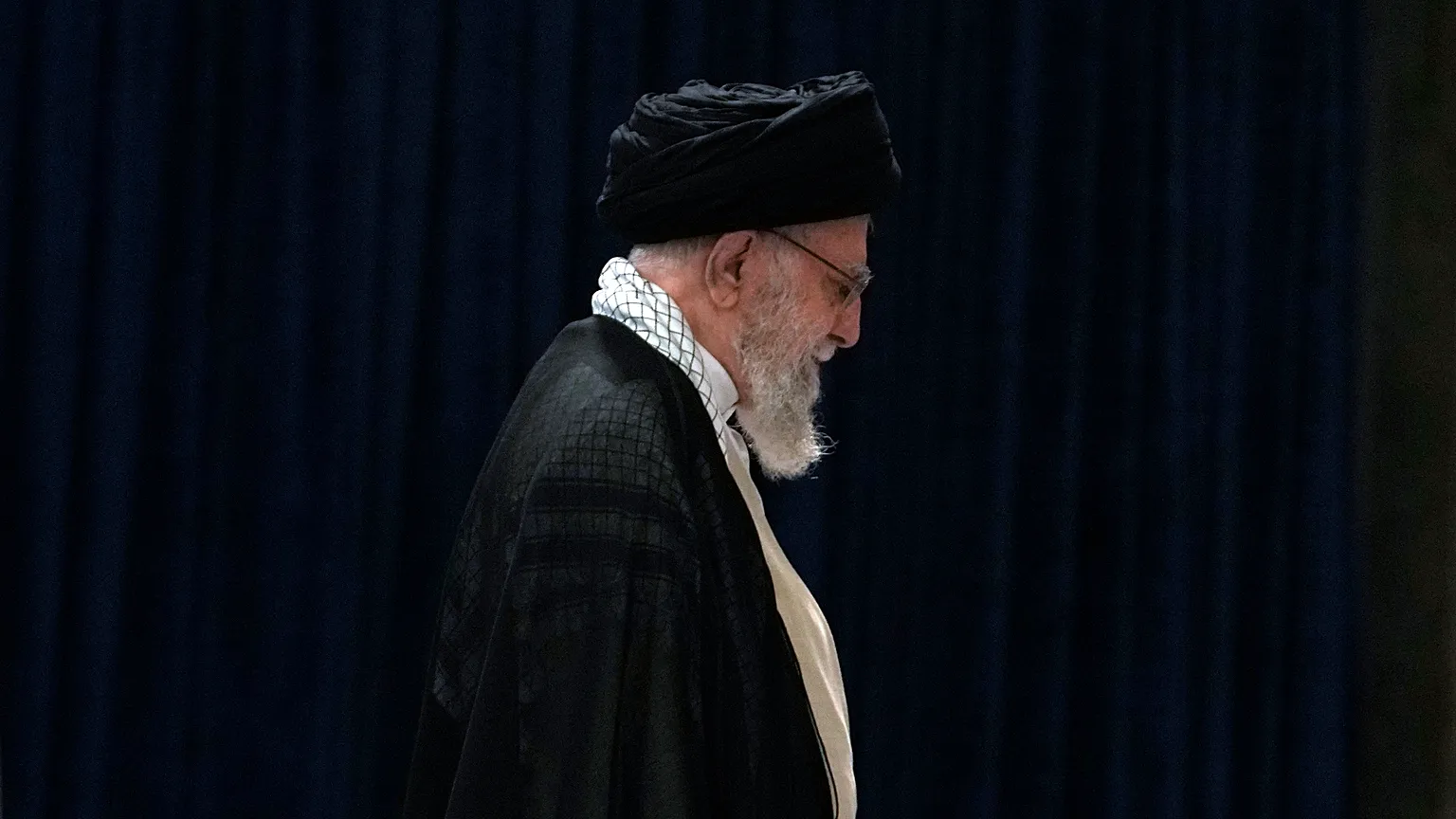
Iranian Supreme Leader Ayatollah Ali Khamenei was assassinated in a major attack by “Israel” and the United States, Iranian state media confirmed early Sunday, in an escalation that could push the region toward a wider war.
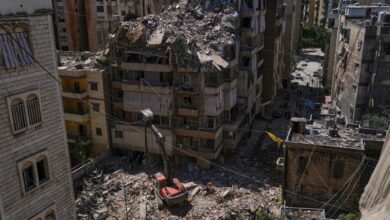
State media reported that the 86-year-old was assassinated in an airstrike targeting his compound in downtown Tehran. Satellite photos from Airbus showed that the site was heavily bombed.
His death at his office “showed that he consistently stood among the people and at the forefront of his responsibilities, confronting what officials call global arrogance,” state TV said.
Iran, which responded to Saturday’s strikes with its own counterassault, warned of retribution, with the Cabinet saying that this “great crime will never go unanswered.” The Revolutionary Guard threatened to launch its “most intense offensive operation” ever targeting “Israeli” and American bases.
Khamenei’s daughter and son-in-law, a grandchild and a daughter-in-law also were killed in the attack, according to the semi-official Fars news agency, citing unidentified sources.
State media also reported the deaths of the head of Iran’s Revolutionary Guard and a top security adviser to Khamenei in airstrikes. Maj. Gen. Mohammad Pakpour took over as the Guard’s top commander after “Israel” killed its past commander in the 12-day war last June. The adviser, Ali Shamkhani, had long been a figurehead within Iran’s security establishment, IRNA said.
Iran’s government declared 40 days of public mourning and a seven-day nationwide public holiday to commemorate Khamenei’s death.
Top security official, Ali Larijani, said a temporary leadership council would be set up.
He accused the United States and “Israel” of trying to plunder and disintegrate Iran and warned “secessionist groups” of a harsh response if they attempt action, state television said.
In remarks directed at Trump and Benjamin Netanyahu, Iran’s parliament speaker Mohammad Baqer Qalibaf said they had crossed a red line and would “pay for it”.
Experts said that while the deaths of Khamenei and other Iranian leaders would deal the country a major blow, it would not necessarily spell the end of Iran’s entrenched clerical rule, according to Reuters.
Region on Edge
Several loud blasts were heard for a second day on Sunday in Dubai and over Qatar’s capital of Doha, witnesses said, after Iran launched retaliatory strikes on the neighbouring Gulf states.
Puffs of white smoke from missile interceptions were glimpsed in the skies over Dubai, while billows of dark smoke rose over its port of Jebel Ali, one of the busiest in the Middle East.
Global air travel remained heavily disrupted as continued air strikes kept major Middle Eastern airports closed in one of the biggest aviation interruptions in recent years.
On Saturday, Tehran warned that it had closed the Strait of Hormuz, the narrow conduit for about a fifth of global oil consumption, raising expectations of a jump in oil prices.
The OPEC+ grouping of major oil producers is set to meet on Sunday and may consider a larger-than-planned output increase as several tanker owners, oil majors and trading houses suspended energy shipments through the Strait.