
WHO declares Ebola outbreak in DRC, Uganda an emergency of international concern

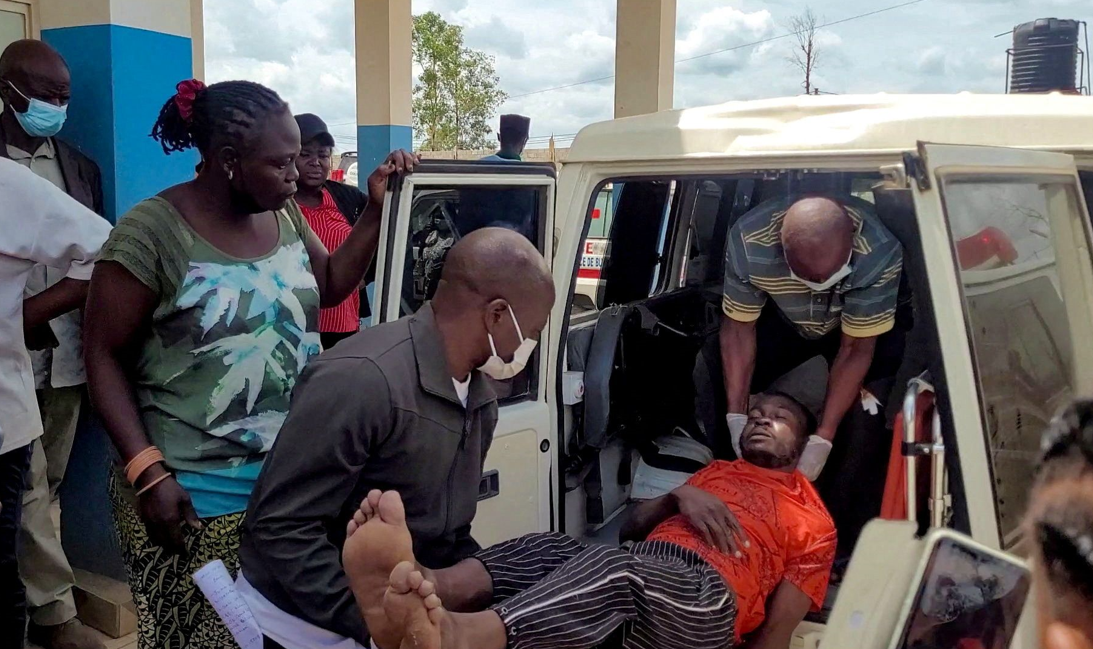
The World Health Organization on Sunday declared an Ebola outbreak in the Democratic Republic of Congo and Uganda a “public health emergency of international concern”, posing risks to neighbouring countries.
The WHO said the outbreak, caused by the Bundibugyo virus, does not meet the criteria of a pandemic emergency but that countries sharing land borders with the DRC are at high risk for further spread.
The U.N. health agency said in a statement that 80 suspected deaths, eight laboratory-confirmed cases and 246 suspected cases had been reported as of Saturday in the DRC’s Ituri province across at least three health zones, including Bunia, Rwampara and Mongbwalu.
The 17th outbreak in the country, where Ebola was first identified in 1976, could in fact be much larger, given the high positivity rate of the initial samples and increasing number of suspected cases being reported, the WHO noted, adding that the outbreak is “extraordinary” as there are no approved Bundibugyo virus-specific therapeutics or vaccines, unlike for Ebola-Zaire strains. All but one of the country’s previous outbreaks were caused by the Zaire strain.
According to the Africa Centres for Disease Control and Prevention, the often-fatal virus, which causes fever, body aches, vomiting and diarrhoea, spreads through direct contact with the bodily fluids of infected persons, contaminated materials or persons who have died from the disease.