
Trump criticises UK’s energy policy, calls for boosting North Sea oil and gas production

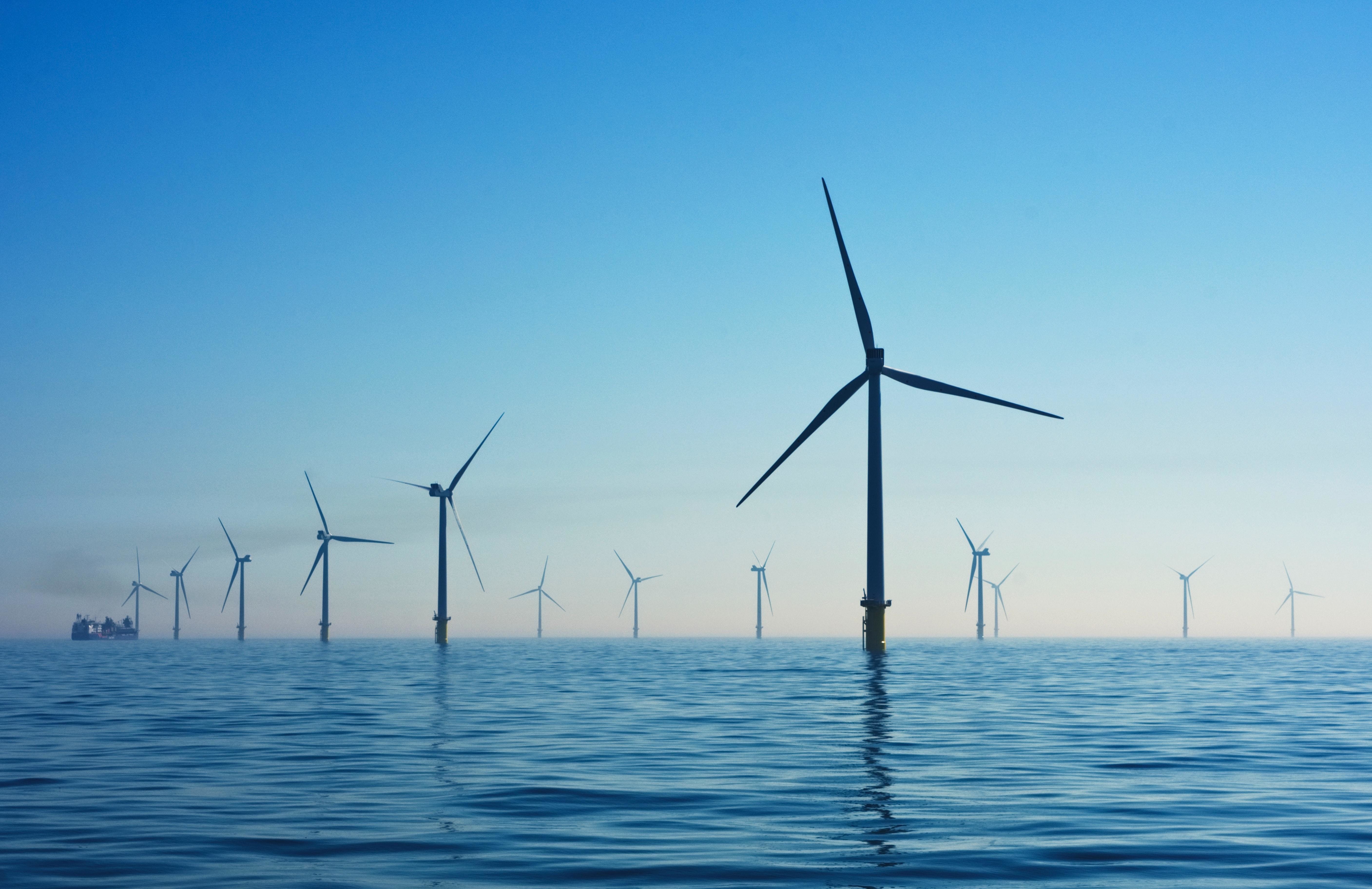
LONDON – U.S. President-elect Donald Trump on Friday criticised the British government’s energy policy with a demand to “open up” the ageing North Sea oil and gas basin and get rid of wind farms.
The North Sea is one of the world’s oldest offshore oil and gas basins, where production has steadily declined since the start of the millennium. At the same time, it has become one of the world’s largest offshore wind regions.
“The U.K. is making a very big mistake. Open up the North Sea. Get rid of windmills!” Trump said in a post on his social media platform, Truth Social.
Meanwhile, a spokesperson for Britain’s government said his country would continue to prioritise a “fair, orderly, and prosperous transition in the North Sea in line with our climate and legal obligation.”
“We need to replace our dependency on unstable fossil fuel markets with clean, homegrown power controlled in Britain—which is the best way to protect billpayers and boost our energy independence,” the spokesperson added.
Climate-sceptic Trump has long opposed wind farms. In 2015, he unsuccessfully fought plans to construct one near his luxury golf course in Scotland.
His post on Friday included a link to a report from last November about U.S. oil and gas producer APA Corp’s APA.O unit, Apache’s plans to exit the North Sea by year-end 2029. The company expects North Sea production to fall by 20% year-on-year in 2025.
Prime Minister Keir Starmer’s Labour government won last year’s elections with a pledge to build up Britain’s low-carbon economy. The government aims to quadruple offshore wind generation capacity by 2030 to 60 gigawatts as part of goals to lower carbon emissions and improve air quality.
In October, the British government said it would increase a windfall tax on North Sea oil and gas producers to 38% from 35% and extend the levy by one year. The government wants to use the revenue from oil and gas to raise funds for renewable energy projects.
Conversely, oil and gas companies have said the higher tax rate could lead to a drop in investments. Thereby, some companies have sold assets while others merged operations and sought to diversify to other regions.
Britain and countries in mainland Europe have overseen major offshore wind farm development, but the sector’s growth has stalled as costs ballooned due to technical and supply chain problems as well as higher interest rates.
Last year, Orsted ORSTED.CO, the world’s biggest offshore wind farm developer, trimmed its investment and capacity targets.