
FBI: Cybertruck blast suspect was an army soldier with PTSD, suicide case

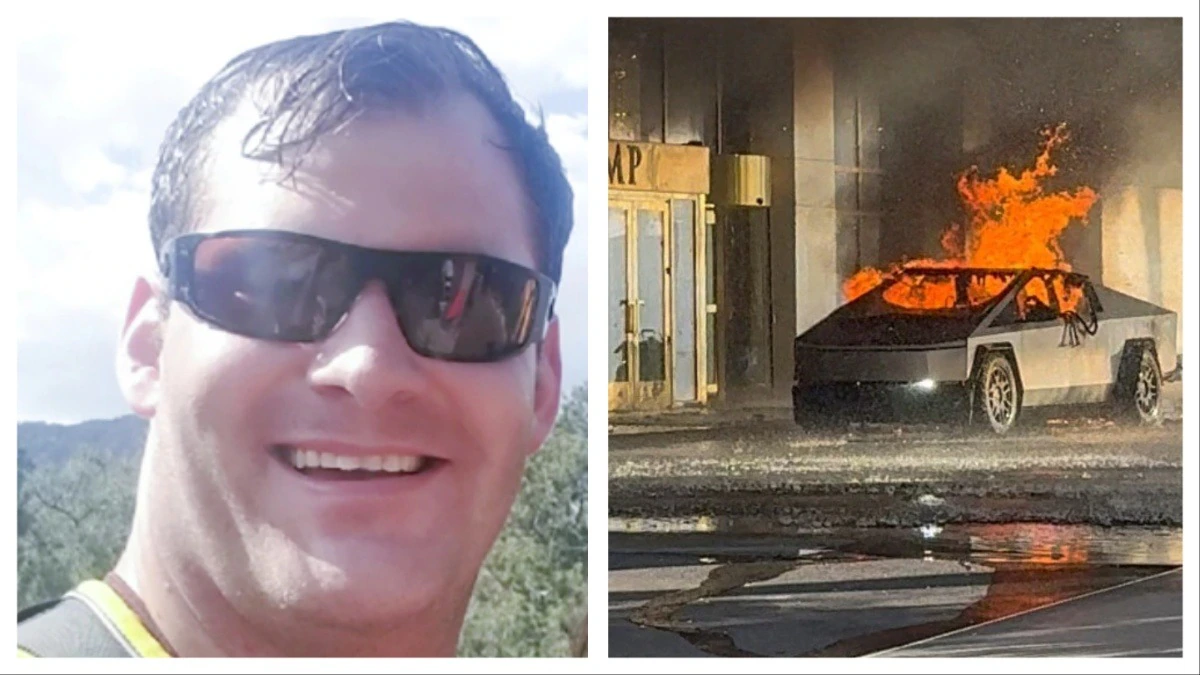
WASHINGTON – The FBI said on Friday that the suspected driver of the Tesla Cybertruck that exploded outside the Trump International Hotel in Las Vegas this week had no animosity towards U.S. President-elect Donald Trump and likely had post-traumatic stress disorder, according to Reuters.
The FBI reiterated there was no definitive link between a truck attack in New Orleans on New Year’s Day that killed over a dozen people and the Cybertruck explosion later the same day, which left seven people with minor injuries, the source said.
Officials on Thursday identified the person found dead inside the Cybertruck as Matthew Livelsberger, 37, an active-duty Army soldier from Colorado Springs, and said he acted alone.
“The subject held no animosity towards the president-elect,” an FBI official told reporters in a press briefing on Friday.
“Investigative steps have discovered information, and the Army indicates that he likely suffered from PTSD, and we’re also aware that there were potential other family issues or personal grievances in his own life that may have been contributing factors,” the FBI official said.
He added that it appeared to be a “tragic case of suicide.”
Livelsberger killed himself with a gunshot to the mouth, police said on Thursday.
The Trump International Hotel in Las Vegas is part of the Trump Organization, the company of the president-elect, who will return to the White House on Jan. 20.
Tesla TSLA.O CEO Elon Musk was a key backer of Trump in his 2024 presidential campaign and is also an adviser to the incoming president.
The suspect in the New Orleans attack, Shamsud-Din Jabbar, was also a military veteran. He deliberately drove a rented Ford pickup truck into a New Year’s holiday crowd on Bourbon Street before dying in a shootout with police.
According to a new U.S. Defense Health Agency report, diagnoses of mental health disorders among military members increased by nearly 40% over the last five years.
Around 541,672 soldiers across the Army, Navy, Air Force, Marine Corps, Coast Guard, and Space Force were diagnosed with at least one mental health disorder, according to the report. While approximately 47%, were diagnosed with more than one mental health disorder.
Mental health disorders defined by the Defense Department include acute stress disorders, bipolar disorders, depressive disorders, anxiety disorders, PTSD, and schizophrenia, among others.