
South Sudan: 700,000 Children at Risk of ‘Potentially Fatal’ Severe Acute Malnutrition (UN)

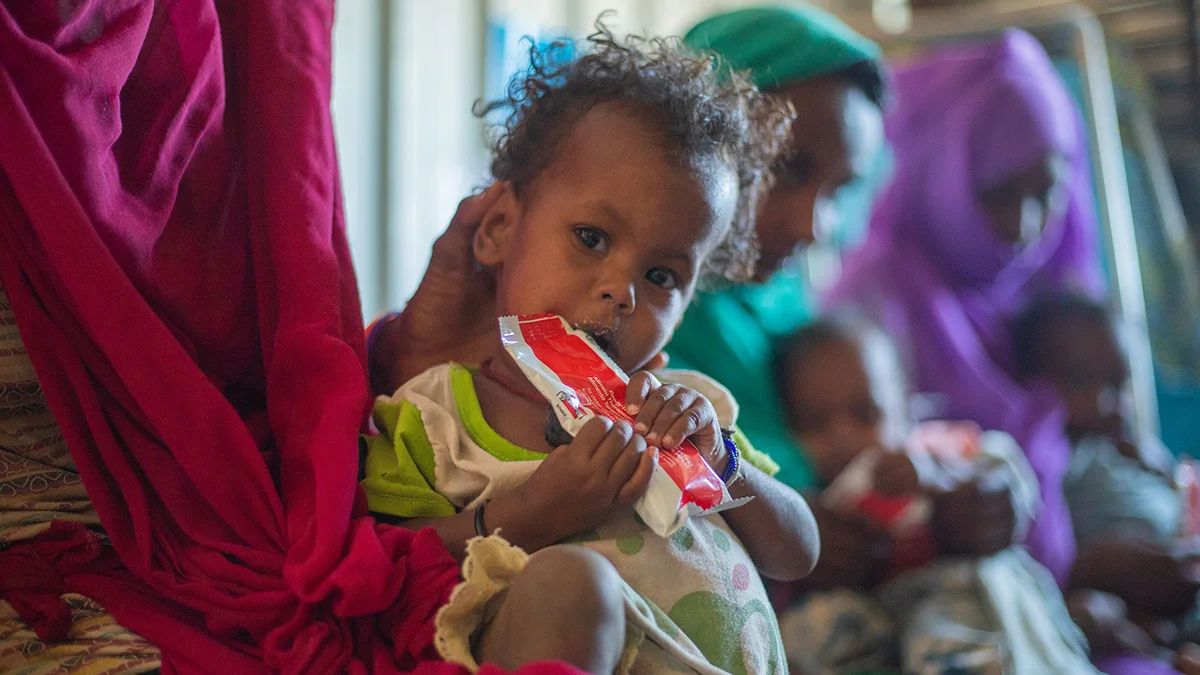
Nearly 7.8 million people in South Sudan, or half of the population, are facing acute food insecurity, while 2.2 million children are suffering from acute malnutrition, including nearly 700,000 at risk of a severe “potentially fatal” form by the end of July, UN agencies warned Tuesday evening.
According to the latest Integrated Food Security Phase Classification (IPC) analysis, this represents one of the highest levels of acute food insecurity in the world today. In addition, 2.5 million people are in emergency conditions (IPC Phase 4) and 5.3 million in crisis (Phase 3).
“Since the beginning of the year, we have seen a significant resurgence of conflict in Jonglei and Upper Nile states, along with repeated blockages that are hindering our efforts to reach populations in these areas,” said Ross Smith, Director of Emergencies at the World Food Programme (WFP).
Among those expected to face acute food insecurity, 73,300 people are experiencing catastrophic conditions (IPC Phase 5), the most severe level of acute food insecurity. This represents a “dramatic increase of 160%” compared to the last UN estimate.
UN agencies also warned of a credible risk of famine in four counties in Upper Nile and Jonglei states. Conflict-affected communities have been cut off from food supplies, markets, and essential services, in a catastrophic scenario marked by escalating violence, new population displacements, and restricted humanitarian access.
The report projects that 11 counties in Upper Nile, Unity, and Jonglei states will face Phase 5 (extremely critical) levels of acute malnutrition.
Among children, the nutritional situation continues to deteriorate. Currently, 2.2 million children aged 6 months to 5 years are suffering from acute malnutrition, an increase of 100,000 cases compared to six months ago. By the end of July this year, an estimated 700,000 children will be affected by severe acute malnutrition, the deadliest form.
“We are witnessing a deadly spiral. Every day of delay in humanitarian access and aid delivery is a day when a child’s life and future hang in the balance,” warned Lucia Elmi, Director of Emergency Operations at the United Nations Children’s Fund (UNICEF).
Acute malnutrition is exacerbated by limited access to health and nutrition services, with facilities damaged or closed due to the conflict.
Faced with the scale of the crisis, humanitarian agencies are calling for urgent mobilization to prevent further deterioration.
“Sustained funding for food assistance, nutrition programs, clean water and sanitation, as well as health services, is essential to prevent further worsening of the situation,” the agencies stressed, noting that “without rapid, large-scale intervention, the population of South Sudan risks facing an irreversible humanitarian catastrophe.”