

US Senate Committee Moves Toward Landmark Crypto Regulation Bill

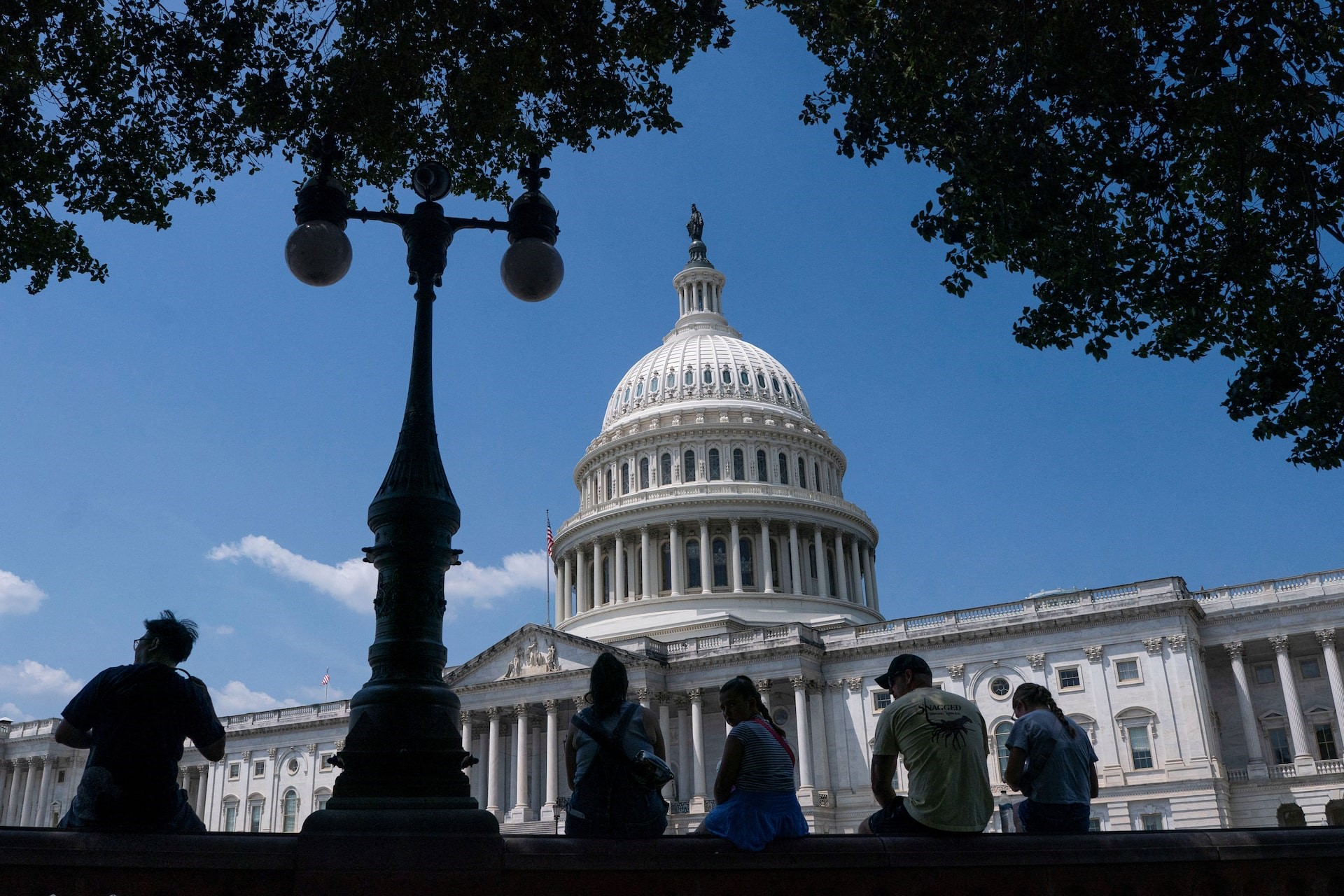
A key committee in the US Senate is set to review and vote on a major cryptocurrency bill this week, marking what lawmakers and industry figures describe as a milestone in establishing a formal regulatory framework for digital assets.
The legislation, commonly referred to as the Clarity Act, would define how cryptocurrencies are classified under US law—clarifying whether digital tokens fall under securities regulation, commodities oversight, or a separate regulatory category.
The Senate Banking Committee’s upcoming “markup” session will allow senators to debate, amend, and vote on advancing the bill to the full Senate. If approved at committee level, the proposal would still require broad bipartisan support to become law, including multiple Democratic votes in the Senate.
At the heart of the debate is how to balance innovation in the fast-growing crypto sector with financial stability and consumer protection. Supporters argue the bill provides long-awaited legal clarity that could attract investment and reduce regulatory uncertainty for companies operating in the digital asset space.
Key provisions include assigning most crypto trading oversight to the Commodity Futures Trading Commission (CFTC), while the Securities and Exchange Commission (SEC) would retain authority over assets treated as investment contracts. The bill also introduces a framework for stablecoins, fundraising rules for crypto firms, and anti-money laundering requirements for digital asset platforms.
However, the legislation faces political resistance. Several Democrats argue the bill does not include strong enough safeguards on illicit finance and raises concerns about potential conflicts of interest involving political figures and the crypto industry.
Banks have also expressed opposition to parts of the proposal, particularly provisions related to stablecoin rewards, which they argue could compete with traditional deposits and affect financial stability.
The outcome of the committee vote is expected to be an early indicator of whether the bill can survive the broader Senate process, where bipartisan cooperation will be essential for final passage.