
South Korea’s protests highlight generational divide, showcasing differing perspectives

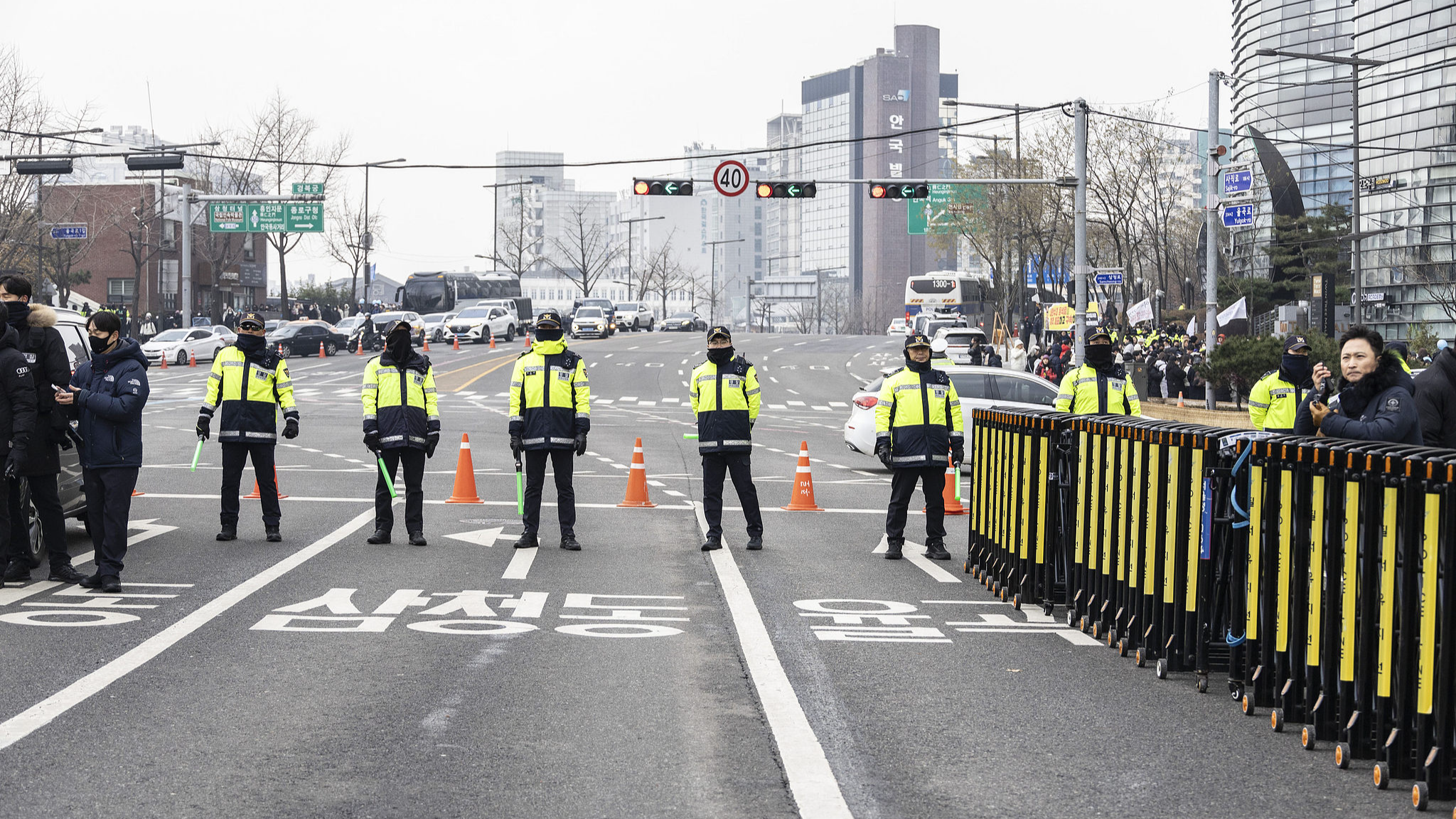
SEOUL – Demonstrators supporting and opposing South Korean President Yoon Suk Yeol held rival protests several hundred meters apart in Seoul on Saturday, a week after he was impeached over his short-lived declaration of martial law, according to Reuters.
Yoon’s presidential powers are suspended, but he remains in office. Meanwhile, he has not complied with various summonses by authorities investigating whether the martial law declaration constituted an insurrection.
He has also not responded to attempts to contact him by the Constitutional Court, which decides whether to remove him from office or restore his presidential powers. The court plans to hold its first preparatory hearing on Friday.
Saturday’s pro- and anti-Yoon protests were held in Gwanghwamun in the heart of the capital, with no clashes reported, the source added.
Tens of thousands of anti-Yoon protesters, dominated by people in their 20s and 30s, gathered around 3 p.m. (local time), waving K-Pop light sticks and signs with sayings such as “Arrest! Imprison! Insurrection chief Yoon Suk Yeol”.
“I wanted to ask Yoon how he could do this to a democracy in the 21st century, and I think if he really has a conscience, he should step down,” said 27-year-old Cho Sung-hyo.
On the other hand, several thousand pro-Yoon protesters, chiefly older and more conservative people opposing Yoon’s removal and supporting the restoration of his powers, had gathered since midday.
“These rigged (parliamentary) elections eat away at this country, and at the core are socialist communist powers, so about 10 of us came together and said the same thing—we absolutely oppose impeachment,” said Lee Young-su, a 62-year-old businessman.
According to an analysis by the Korea Herald newspaper, the generational divide in Korean politics, rooted in historical trauma, has led to a polarised political landscape within society. Experts warn that if not addressed, this social rift could pose a significant threat to Korean democracy and the country’s future.
The “386 generation,” now in their 50s and early 60s, lived through the era of “old martial law.” Meanwhile, younger generations in their 40s, 30s, and 20s, who have no personal experience of martial law, have shaped their collective memory of these events through stories read in literature or watched in movies, the newspaper added.
Martial law has been declared several times throughout South Korea’s history, often justified as a response to national security threats. However, subsequent investigations revealed that these declarations were more about consolidating power than addressing genuine security concerns.