
South Korea keen to avoid impact on US cooperation after ‘sensitive’ country designation

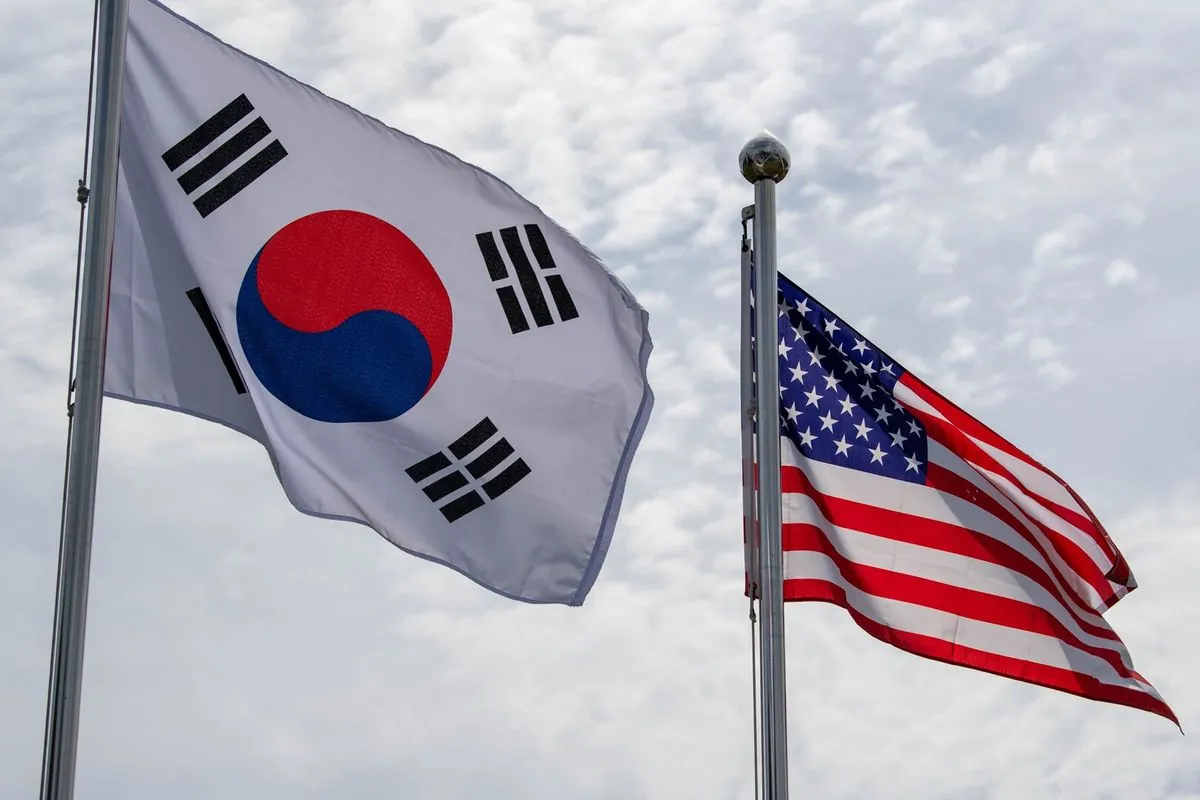
South Korea’s acting president urged ministries on Monday to work with the U.S. to avoid any negative impact on science, technology and energy cooperation after the U.S. Department of Energy designated South Korea a ‘sensitive’ country.
The U.S. department has not explained why South Korea was added to the list last week. An inclusion could curb cooperation, though a DOE spokesperson said Seoul faced no new limits on bilateral cooperation in science and technology from the designation.
Seoul’s foreign ministry said the U.S. decision was understood to have been due to “security-related matters” linked to a research centre affiliated with the DOE.
It was not due to South Korea’s foreign policy, the ministry said in a statement, adding it had contacted U.S. counterparts.
The U.S. cited cases of South Korean researchers breaching security rules during work trips and joint projects with DOE-affiliated research centres, the Yonhap news agency reported.
Acting President Choi Sang-mok said efforts should be made to avoid negative impacts on cooperation and called for the industry minister to meet with the U.S. Secretary of Energy this week, according to a statement from the finance ministry after a meeting on foreign economic issues.
Politicians in Seoul have traded blame over the sensitive country designation.
Lee Jae-myung, leader of the opposition Democratic Party, criticised the government, calling the U.S. move a “perfect diplomatic failure”.
Ruling party lawmaker Kwon Young-se accused the Democratic Party, which controls parliament, of pushing anti-U.S. sentiment and excessively impeaching government officials, including President Yoon Suk Yeol, a move that Kwon said was the biggest cause of the sensitive country designation.
According to the DOE’s website, countries may appear on the sensitive country list for reasons such as national security, nuclear non-proliferation, regional instability, threats to national economic security or terrorism support.