
Sahrawi Journalists Face Systematic Harassment, Surveillance, and Cyberattacks by Moroccan occupation authorities

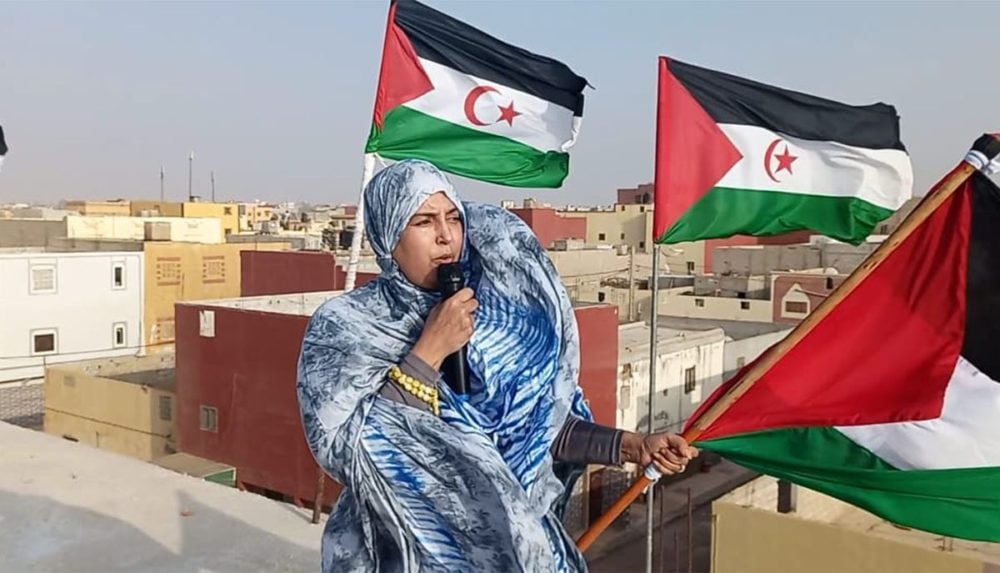
The Moroccan occupation authorities are waging a systematic campaign targeting Sahrawi journalists through constant and close surveillance, restrictions on freedom of movement and work, as well as defamation, incitement, direct threats, and organized cyberattacks.
The Sahrawi platform “12 October” for media and communication stated in a post that it has recently been subjected to a systematic campaign that has reached a “dangerous level,” including explicit threats of liquidation, inciting comments, and ongoing cyberattacks aimed at undermining the credibility of media work.
The platform described these practices as a “dangerous escalation amounting to organized digital terrorism” and a “direct threat to the safety of journalists and media workers,” noting that the targeting has not been limited to the digital sphere but has extended to close field surveillance since February 20th.
It further added that targeting independent media outlets and attempting to subjugate it through digital and on-the-ground intimidation contradicts international obligations related to protecting journalists and ensuring a safe environment for their work.
The Sahrawi platform called on international organizations concerned with press freedom and human rights to open an urgent investigation into these violations, hold those responsible accountable, and ensure the necessary protection for independent media work.
For his part, Sahrawi journalist Ahmed Ettanji, head of the “Equipe Media” agency, which operates in the occupied Sahrawi territories, highlighted the serious violations faced by journalists there as retaliation for their insistence on exposing the crimes of the Moroccan occupation, which have escalated significantly in recent times.
In press statements, he affirmed that the agency’s journalists are facing increasing levels of restrictions and surveillance in a clear attempt to limit its media activity and influence, especially as it has become “a reference for many international human rights organizations.” According to Ettanji, the agency’s journalists face restrictions on freedom of movement and work, in addition to continuous monitoring of their activities and movements, both directly and indirectly.