

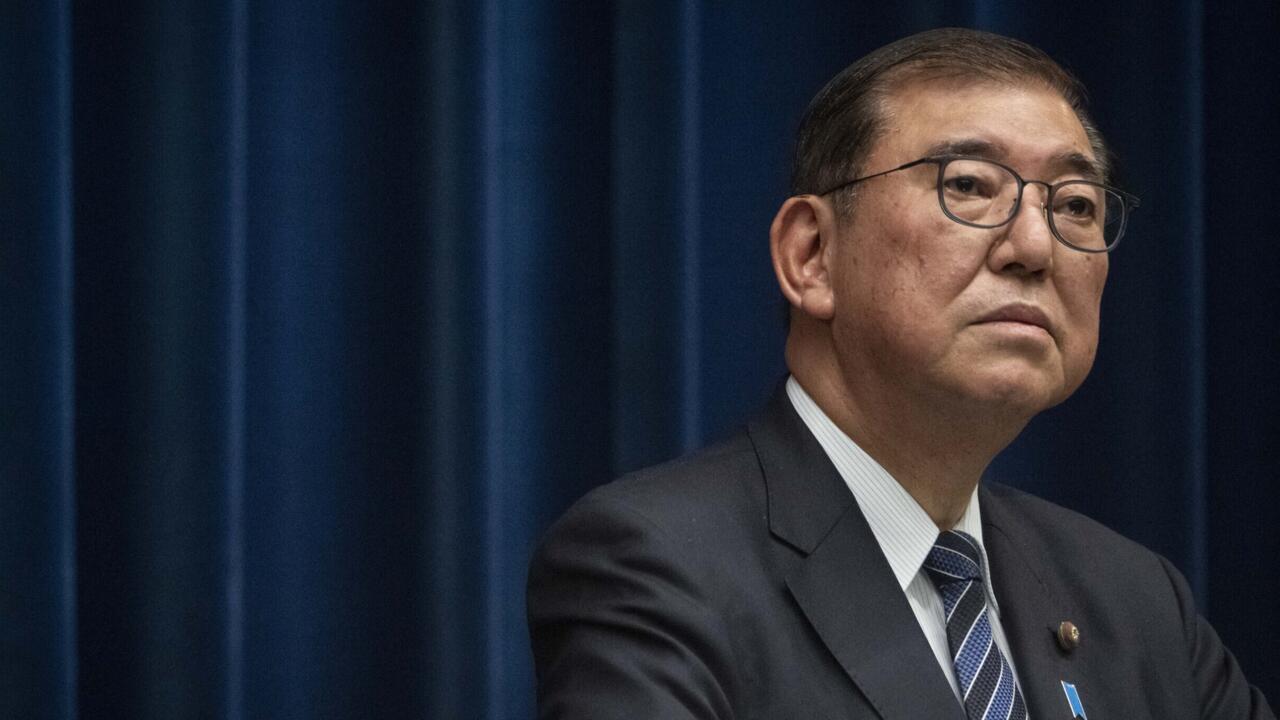
Japanese Prime Minister Shigeru Ishiba resigned on Sunday, ushering in a potentially lengthy period of policy uncertainty at a shaky moment for the world’s fourth-largest economy.
Having just ironed out final details of a trade deal with the United States, Ishiba, 68, told a press conference he must take responsibility for a series of bruising election losses.
Since coming to power less than a year ago, the unlikely premier has overseen his ruling coalition lose its majorities in elections for both houses of parliament amid voter anger over rising living costs.
He instructed his Liberal Democratic Party – which has ruled Japan for almost all of the post-war period – to hold an emergency leadership race, adding he would continue his duties until his successor was elected.
“With Japan having signed the trade agreement and the president having signed the executive order, we have passed a key hurdle,” Ishiba said. “I would like to pass the baton to the next generation.”
Ishiba has faced calls to resign since the latest of those losses in an election for the upper house in July. The LDP had been scheduled to hold a vote on whether to hold an extraordinary leadership election on Monday.
Since the ruling coalition has lost its parliamentary majority, the next LDP president is not guaranteed to become prime minister, although that is likely as the party remains by far the largest in the lower house, according to Reuters.
Whoever becomes the next leader may choose to call a snap election to seek a mandate, analysts said.
Nearly 55% of respondents to a poll by Kyodo news agency published on Sunday said there was no need to hold an early election.