

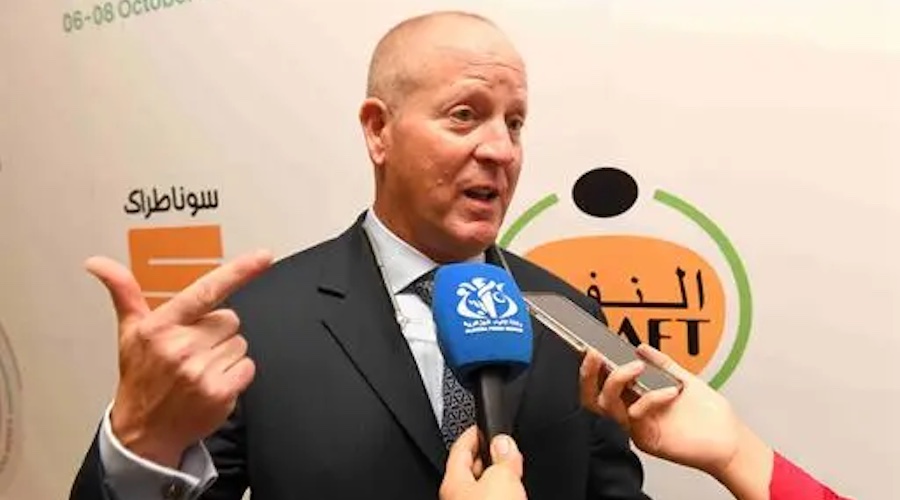
The prospects of the Algeria–Nigeria gas pipeline appear more attractive than the similar project in Morocco, due to several factors, Geoff D. Porter, Director of North Africa Risk Consulting (NARCO) said, as the Iran war has sent shockwaves through the global energy sector.
In an interview with Attaqa platform published on Sunday, Porter indicated that Algeria’s Trans-Saharan gas pipeline project is more viable than the African Atlantic gas pipeline project promoted by Morocco.
“This is because the Algerian Trans-Saharan pipeline, which would link Algeria, Niger, and Nigeria, is significantly shorter, less technically complex, and relies on existing infrastructure,” he said, adding that the Moroccan project, meanwhile, is considered costly and technically complicated, passes through multiple regulatory frameworks, and its feasibility remains questionable.
At the regional level, Geoff Porter noted that Senegal has become less inclined toward Moroccan initiatives at present, due to the recent deterioration in their relations, despite Senegal being a key hub in the Moroccan project.
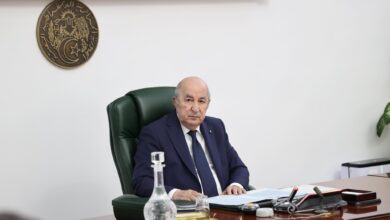
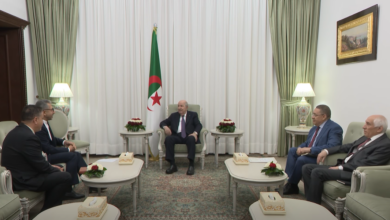
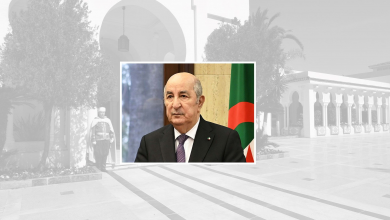
The Trans-Saharan gas pipeline project is considered the largest of its kind in Africa and is expected to soon enter its operational phase, in line with the directives from Algerian President Abdelmadjid Tebboune. It aims to transport between 20 and 30 billion cubic meters of natural gas annually from Nigeria to Europe via Niger and Algeria.
Algeria emphasizes that the project seeks to strengthen African energy integration, support the economic development of the countries involved, and enable African gas to reach European markets, leveraging the country’s advanced infrastructure. The pipeline is planned to span 4,128 kilometers, and Algeria’s national company Sonatrach will oversee the initial works to lay the pipeline through Nigerien territory.
For reference, Geoff Porter is the founder and president of North Africa Risk Consulting (NARCO), a firm specializing in the analysis of political, security, and commercial risks in the oil, gas, and mining sectors across North African countries (Algeria, Morocco, Tunisia, Libya, and Mauritania) since 2010.