
Algeria–Niger: Sonelgaz Technical Team in Niamey to Begin Site Assessment for Power Plant Project


A technical team from Algerian power company “Sonelgaz” arrived Friday in Niamey to begin evaluating the site designated for the construction of a power generation plant for the benefit of Niger’s national electricity company NIGELEC, according to a statement from the Algerian public group.
The technical team will conduct a series of field studies to assess the readiness of the selected site, including inspection of existing infrastructure, verification of grid connection conditions, and confirmation that the site complies with applicable technical standards. The assessments are intended to prepare for the launch of construction within the planned timeframe and in accordance with quality standards, the statement said.
The Sonelgaz delegation will also carry out a comprehensive assessment of electrical and gas equipment needs as part of an integrated approach aimed at supporting NIGELEC in establishing a central depot for materials and equipment. The facility is intended to support projects for the construction and expansion of high-, medium-, and low-voltage electricity networks.
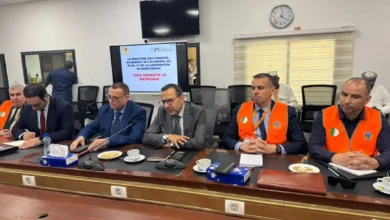
According to Sonelgaz, the visit follows a coordination meeting held via videoconference on February 18, 2026, between officials from Sonelgaz and NIGELEC, during which both parties agreed to accelerate work and finalize the technical and regulatory components of the project to ensure the timely start of construction.
The project involves building a power plant in the Gorou Banda area of Niamey, with the installation of two gas turbines, each with a capacity of 20 megawatts. The facility is expected to strengthen Niger’s electricity production capacity, support grid stability, and help meet growing energy demand.
Sonelgaz stated that the project forms part of its strategic partnership with NIGELEC, which also includes support for the development of transmission and distribution networks, expertise transfer, and the implementation of training and capacity-building programs in electricity production, transmission, distribution, and engineering, delivered both in person and through remote training mechanisms.