
Algeria–Egypt–Tunisia Reaffirm Libyan-Led Political Settlement


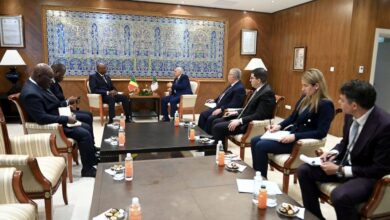
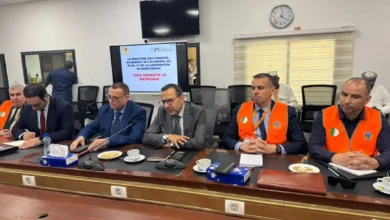
ALGIERS, November 6, 2025 – Participants in the ministerial meeting of the Tripartite Mechanism of neighboring countries (Algeria, Egypt and Tunisia) regarding the crisis in Libya, held Thursday in Algiers, reaffirmed the importance and centrality of the “principle of ownership and leadership” of the political settlement process by Libyans, with the support of the United Nations.
The final communiqué of the meeting, attended by the Minister of State, Minister of Foreign Affairs, the National Community Abroad and African Affairs, Ahmed Attaf, the Egyptian Minister of Foreign Affairs, Immigration and Egyptian Expatriates, Badr Abdel-Ati, and the Tunisian Minister of Foreign Affairs, Migration and Tunisians Abroad, Mohamed Ali Nafti, emphasized the importance of this principle in order to “ensure that the political will of all Libyans shapes the future of their country” and to “preserve the unity and independence of the Libyan state, its territory, its people, and its institutions.”
The ministers urged all Libyan parties to actively engage in the political settlement process, to prioritize dialogue and national interest, and to overcome the current obstacles preventing the concurrent organization of presidential and parliamentary elections to end the longstanding division and bring the crisis to a close.
The ministers also stressed the need for an inclusive national reconciliation process involving all components of the Libyan people, noting the “interlinked nature of security and development as foundations of stability.”
They stated that achieving a balance between restoring security, building effective institutions, and strengthening socio-economic development is “the best path to overcome divisions, consolidate national unity, and enable Libya to regain stability and prosperity.”
The ministers reaffirmed their countries’ positions rejecting any form of foreign interference in Libya’s internal affairs, considering it one of the causes of the ongoing crisis and a factor deepening political and institutional divisions. They called for the withdrawal of mercenaries and foreign fighters from Libyan territory, consolidation of the ceasefire agreement, support for the work of the Joint Military Commission, and unification of military and security institutions.
They also emphasized the importance of continued coordination between the three countries and the United Nations regarding developments in Libya, stating that any initiative in the interest of the Libyan people should be coordinated with the United Nations, the Arab League and the African Union (AU).
The ministers affirmed that they will continue to support the Libyan people in achieving their legitimate aspirations for security, stability and development, while acknowledging Algeria’s role at the UN Security Council in defending this common position, including efforts to highlight the responsibility of the international community in safeguarding Libya’s national resources and ensuring sound management of its frozen financial assets.
Tunisia and Egypt expressed their thanks to Algeria for hosting the meeting.
The ministers agreed to hold the next meeting of the Mechanism in Tunis, at a date to be determined through diplomatic channels.
This meeting forms part of the three countries’ commitment to coordinating their efforts to contribute to the revival of the political process aimed at ending the Libyan crisis and achieving a peaceful political settlement under UN auspices, in accordance with the proposed UN roadmap.