

Japan Restarts Nuclear Reactor with Enhanced Tsunami Protection in Region Near Fukushima

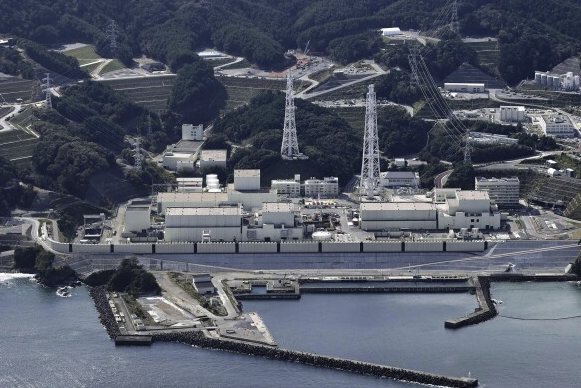
A nuclear reactor featuring enhanced tsunami protection was set to restart on Tuesday in Japan, in a department neighboring the Fukushima plant (northeast) that experienced a catastrophic failure in 2011, according to its operator.
Following the triple disaster of an earthquake, tsunami, and nuclear accident in 2011, all 54 nuclear reactors in Japan were shut down. Since then, 12 of the 33 units that remain operational have been brought back online—none, however, in this part of the country until now.
On Tuesday, the No. 2 reactor at the Onagawa plant, located in Miyagi Prefecture (northeast), was slated to become the country’s 13th reactor to resume operations, as reported by Tokyo Electric Power Company (TEPCO), according to Japanese media outlets.
“Nuclear energy, along with renewable energy sources, is an important decarbonized energy source, and our policy is to utilize it as much as possible, provided that safety is assured,” government spokesperson Yoshimasa Hayashi said, quoted by various media.
The Fukushima disaster, Japan’s worst nuclear crisis since Chernobyl, led to approximately 18,000 deaths. The tsunami severed power lines and flooded backup generators, crippling the cooling systems needed to prevent the reactor’s nuclear fuel from overheating.
Since then, Japan has significantly reinforced safety regulations. The Onagawa plant, which received permission to restart in 2020, has raised its anti-tsunami wall to 29 meters above sea level, making it one of the tallest in Japan.