
Islamabad on High Alert as Iran Refuses Talks Despite Incoming US Delegation

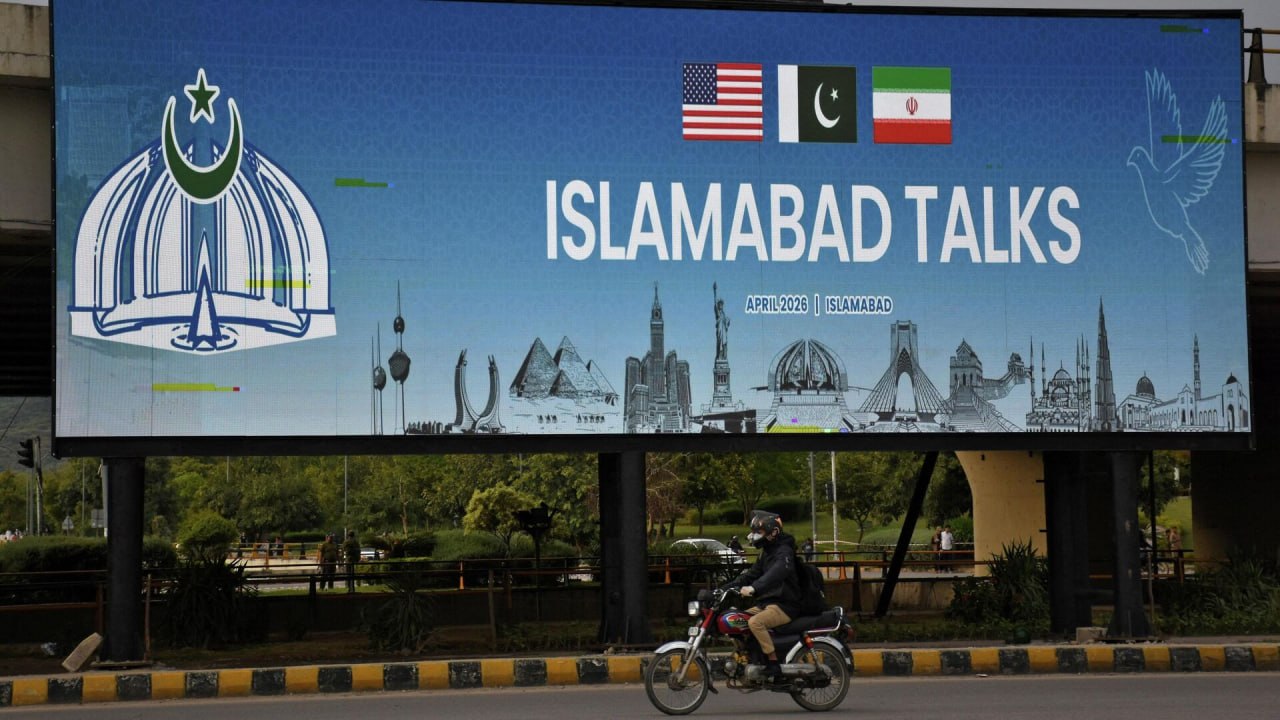
Tensions are rising in Islamabad as uncertainty surrounds a proposed second round of negotiations between United States and Iran. While Washington has confirmed that its delegation is en route, Tehran has firmly refused to participate as long as the US naval blockade of Iranian ports remains in place. Iranian officials have reiterated that no further diplomatic engagement will occur under what they describe as coercive conditions, casting doubt over the entire negotiation process.
Pakistani authorities have responded by implementing sweeping security measures across the capital. The Red Zone, which houses key government institutions, has been completely cordoned off, with alternative traffic routes introduced and public as well as heavy transport suspended.
Reports indicate that advanced US teams have already arrived at Nur Khan Airbase aboard three cargo planes before being transferred to a high-security zone. Security deployment has intensified significantly, with Rangers positioned on dozens of rooftops and police securing major bridges and entry points. Major hotels, including Serena Hotel Islamabad and Islamabad Marriott Hotel, have been cleared to accommodate VIP delegations, while nearby Rawalpindi has mobilized around 18,000 security personnel, including elite units such as commandos and sharpshooters. Authorities have also imposed strict bans on drones, aerial firing, and even pigeon flying.
The US delegation is expected to be led by Vice President JD Vance, alongside Special Envoy Steve Witkoff and Senior Advisor Jared Kushner. On the Iranian side, figures such as Parliament Speaker Mohammad Bagher Ghalibaf and Foreign Minister Abbas Araghchi were involved in earlier discussions but are not expected to attend under current conditions. With the ceasefire set to expire on April 23, the situation remains highly volatile, and the absence of Iran from the talks raises concerns over a potential escalation rather than de-escalation in the coming days.