
In remembrance of the first Palestinian Intifada, 37 years later


Today, December 8, marks the 37th anniversary of the outbreak of the First Intifada, also known as the “Stone Uprising,” a pivotal moment in the Palestinian history of struggle for freedom. The Intifada, which lasted from 1987 to 1994, represented a turning point in Palestinian resistance against the Zionist occupation.
The First Intifada began in the Jabalia refugee camp in the Gaza Strip after a Zionist settler’s truck crushed four Palestinian workers at the Erez checkpoint. The martyrs were identified as Taleb Abu Zaid, 46; Issam Hamouda, 29; Shabaan Nabhan, 26; and Ali Ismail, 25, all from Gaza. This tragic incident sparked outrage and protests across the Gaza Strip and the West Bank, leading to widespread demonstrations and confrontations with the Zionist occupation forces.
The following day, on December 9, 1987, angry protests erupted in Jabalia camp, turning into clashes with the Zionist forces. During these early confrontations, Hatem al-Sisi, a young man from Jabalia, became the first Palestinian martyr of the uprising.
The Intifada quickly spread, first to the Balata refugee camp in Nablus, then across the West Bank and Gaza.
Over the next seven years, the Intifada became a defining feature of Palestinian resistance, unfolding in every town, village, refugee camp, and city across all of occupied Palestine.
According to data from the Palestinian Commission for Prisoners and Martyrs Affairs, the Zionist occupation’s attacks resulted in around 1,550 Palestinian martyrs during the First Intifada. Meanwhile, estimates from the Palestinian Prisoners’ Society indicate that between 100,000 to 200,000 Palestinians were detained during this period, with many subjected to immense torture.
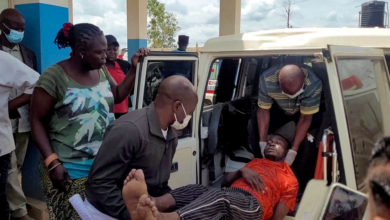
Moreover, the Palestinian Ministry of Health reported that over 70,000 Palestinians were wounded, with 40% of them suffering from permanent disabilities. The injuries included severe neurological damage, paralysis, and amputations of vital limbs.