
Half of Africa’s GDP Comes from These 5 Economies Including Algeria
 لطيفة فريال نايلي
Send an email
23/10/2024
لطيفة فريال نايلي
Send an email
23/10/2024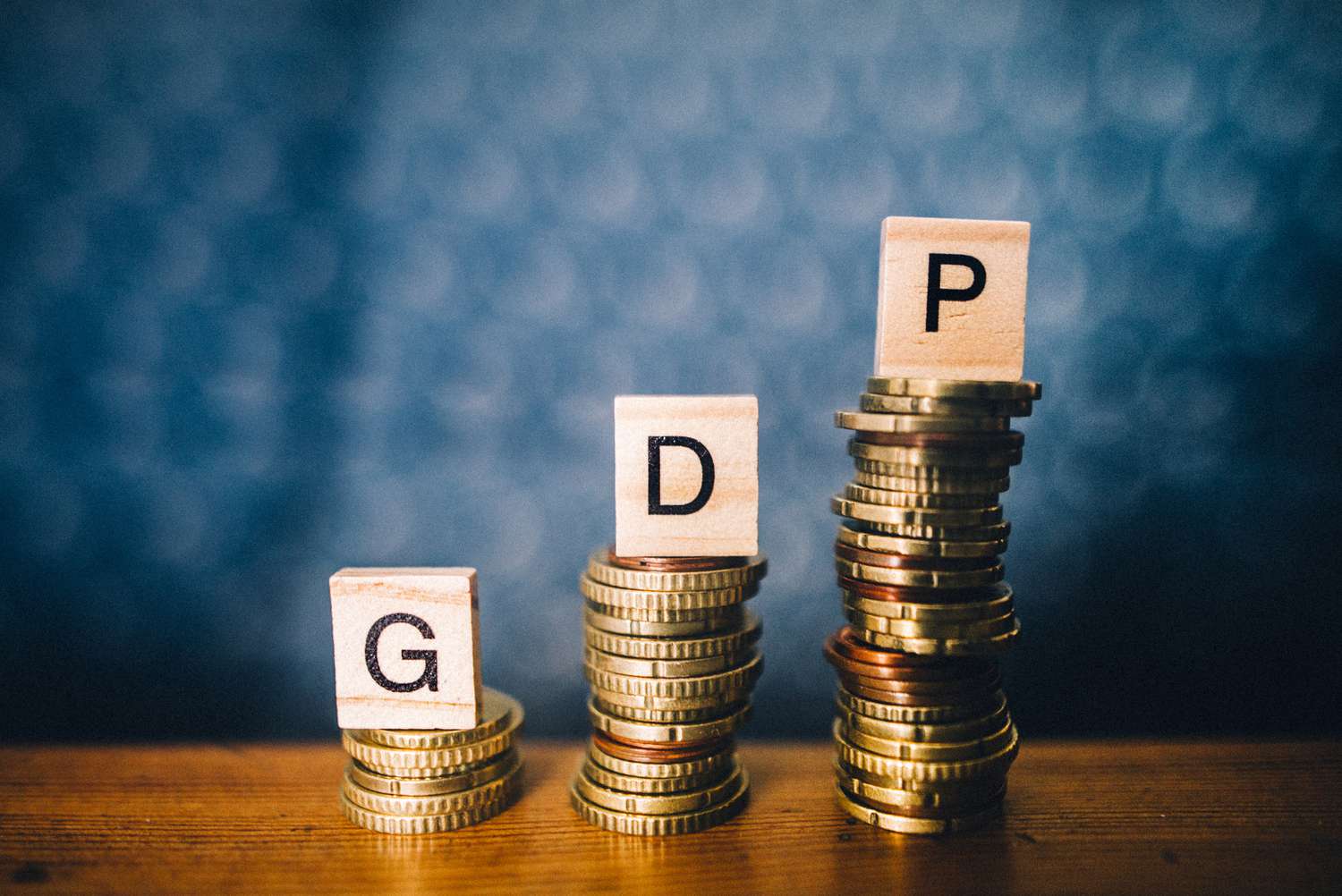
Africa’s GDP in 2024 stands at $2.8 trillion, representing the collective output of 1.4 billion people. However, the economic productivity across the continent is far from evenly distributed. Five countries—South Africa, Egypt, Nigeria, Algeria, and Ethiopia—generate an economic output that equals that of the remaining 48 African nations combined. According to data from the International Monetary Fund (IMF), these five nations form the backbone of Africa’s economic landscape, with Western Sahara and Eritrea excluded due to a lack of available data.
Despite their combined dominance, the “Big Five” have diverse economies. South Africa’s economy thrives on its financial services, manufacturing, and a mining sector rich in platinum, gold, and chromium, which accounts for 8% of its GDP. Egypt’s economy benefits heavily from the Suez Canal, a crucial global trade route, and a robust tourism sector driven by the country’s rich cultural heritage. Nigeria and Algeria, both heavily reliant on energy, focus on different resources—Nigeria is a leading exporter of crude oil, while Algeria’s wealth comes from its natural gas exports. Ethiopia, in contrast, relies predominantly on agriculture, with coffee being a major driver of its exports.
Meanwhile, the remaining 48 countries in Africa share a combined GDP of $1.4 trillion. While smaller in economic output, these nations collectively contribute to the continent’s growing role on the global stage, particularly as Africa continues to develop its natural resources, improve infrastructure, and engage in international trade.