

The growing use of recycled plastics in food packaging is raising major public health concerns, the Food and Agriculture Organization of the United Nations (FAO) warned, calling for stronger scientific assessments and stricter international standards.
“While these materials serve a necessary environmental purpose, the issue of potential chemical contamination of food must also be closely examined,” the FAO said in a report on the “food safety implications of recycled plastics.”
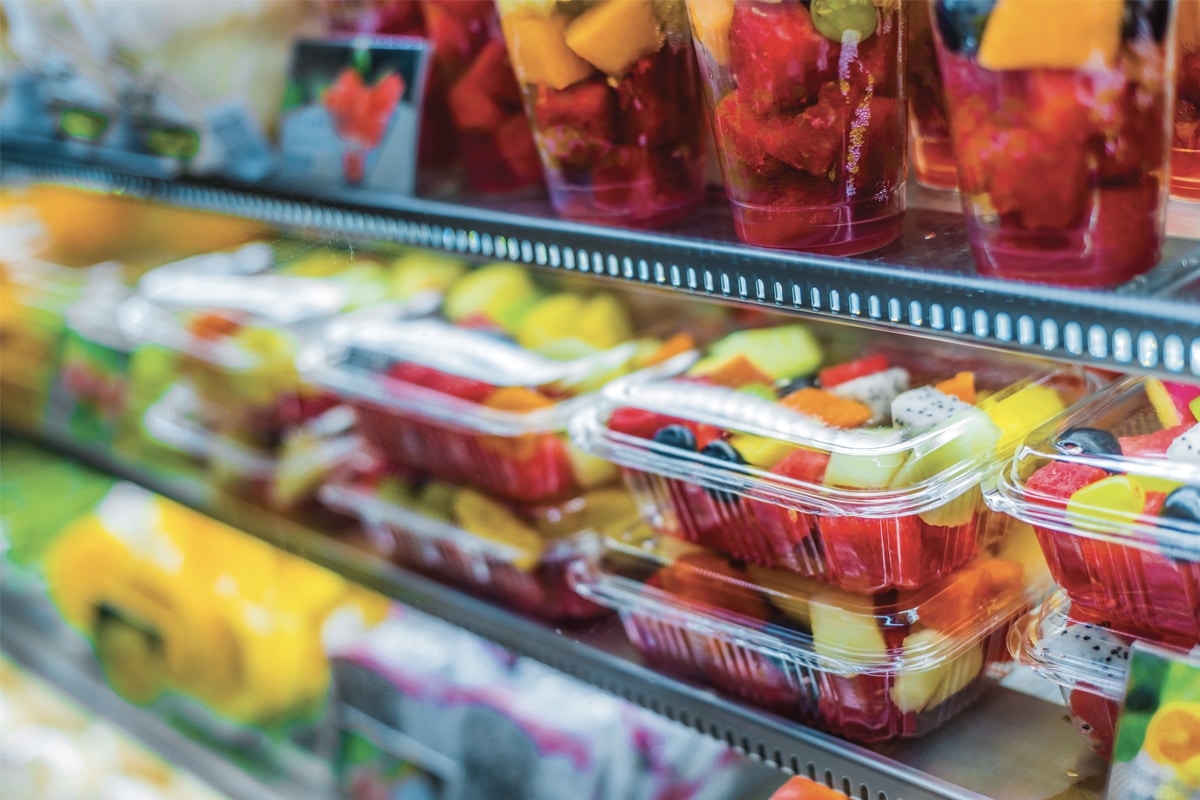
Driven by the boom in the food industry, snacks, fast food and bottled beverages, the global food packaging market is experiencing constant growth: by 2030, it is expected to exceed 815 billion dollars, representing a 60% increase compared to 2024, with a growing share of recycled materials, the report noted.
Among the concerns highlighted are the possible migration of chemical substances — pesticides, natural toxins, allergens and others — from bioplastics derived from corn, sugar cane and cassava. The report also pointed to the role of components such as nanomaterials, added to improve packaging performance.
The report calls for the establishment of methods to detect and identify microplastics and nanoplastics, a gap that has so far “prevented regulatory agencies from defining a clear risk to human health.”
“During the recycling process, potentially problematic chemical substances must also be removed from materials intended for food packaging,” it added.
“We want to recycle more plastic, but we also want to make sure that by solving one problem we don’t create new problems,” said Corinna Hawkes, Director of the Food Systems and Food Safety Division at the FAO.
According to the authors of the report, harmonizing regulatory frameworks governing recycled food packaging is a public health issue, but would also help support global plastic recycling goals.
Currently, less than 10% of plastic waste generated worldwide is recycled, according to the United Nations.