
China hits US agriculture, affecting $21 billion in American exports

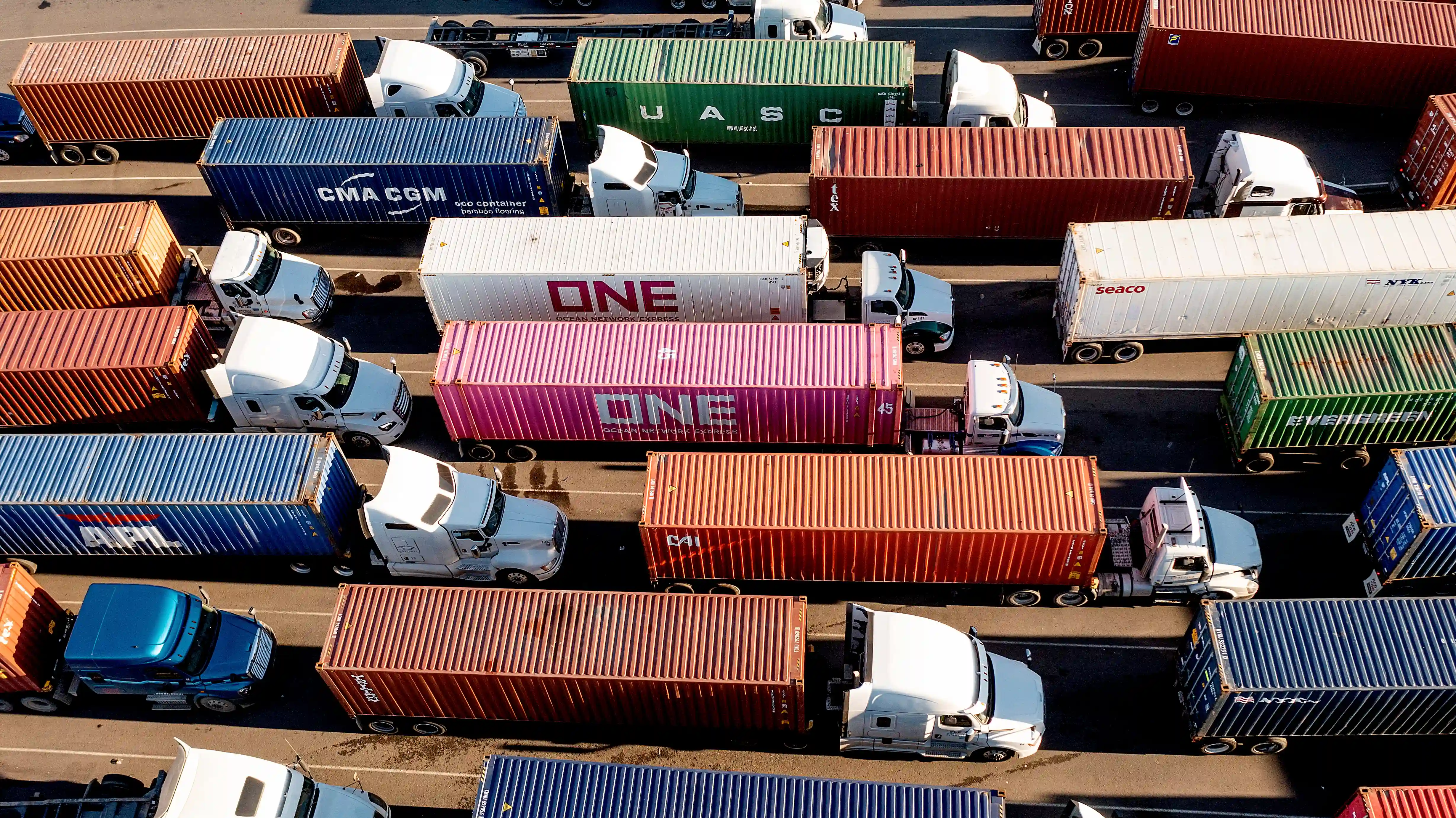
China retaliated swiftly on Tuesday against fresh U.S. tariffs with hikes to import levies covering $21 billion worth of American agricultural and food products, moving the world’s top two economies a step closer towards an all-out trade war.
Beijing also slapped export and investment curbs on 25 U.S. firms on grounds of national security, but avoided punishing any household names as when it retaliated against the Trump administration’s February 4 tariffs.
“Trying to exert extreme pressure on China is a miscalculation and a mistake,” a foreign ministry spokesperson told a press conference in Beijing, adding that China had never succumbed to bullying or coercion.
The latest retaliatory measures came as the extra duty of 10% that U.S. President Donald Trump threatened for the world’s second-largest economy took effect at 0501 GMT on March 4.
That makes for a cumulative 20% tariff in response to what the White House considers Chinese inaction over drug flows.
China has accused the White House of “blackmail” over its tariff hike, saying it has some of the world’s toughest anti-drug policies.
Later on Tuesday, China said it would investigate U.S. producers of a type of optical fibre for circumventing anti-dumping measures, suspended the import licences of three U.S. exporters, and halted China-bound shipments of U.S. lumber.
Moreover, it immediately responded with an additional tariff of 15% on U.S. chicken, wheat, corn, and cotton and an extra levy of 10% on U.S. soybeans, sorghum, pork, beef, aquatic products, fruits and vegetables, and dairy imports from March. 10.
The additional levies will hit about 15% of U.S. exports to China, or $21 billion worth of trade, according to Reuters calculations based on U.S. census data for 2024.
Beijing also added 15 U.S. companies to its export control list, which bars Chinese firms from supplying American companies with dual-use technologies.
It also put 10 U.S. companies on its Unreliable Entity List for selling arms to Taiwan, which China claims as its own territory, although the self-governing island rejects that.
The U.S.-China Business Council (USCBC) applauded Trump’s goal of tackling illegal trade in fentanyl, but said raising tariffs on Chinese products was not the way to achieve that goal.
“Across-the-board tariffs will hurt U.S. businesses, consumers, and farmers and undermine our global competitiveness,” its president, Sean Stein, said in a statement.
Analysts say Beijing still hopes to negotiate a truce on tariffs, deliberately setting its hikes below 20% to leave its negotiators room to hash out a deal, but each escalation reduces the chance of a rapprochement.
“China’s government is signalling that they do not want to escalate,” said Even Pay, an agriculture analyst at Trivium China.
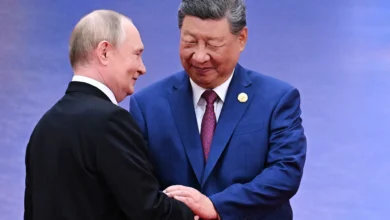
“It’s fair to say we’re in the early days of Trade War 2.0,” Pay said, adding there was still time to avoid a protracted trade war if Trump and Chinese President Xi Jinping were able to strike a deal.