

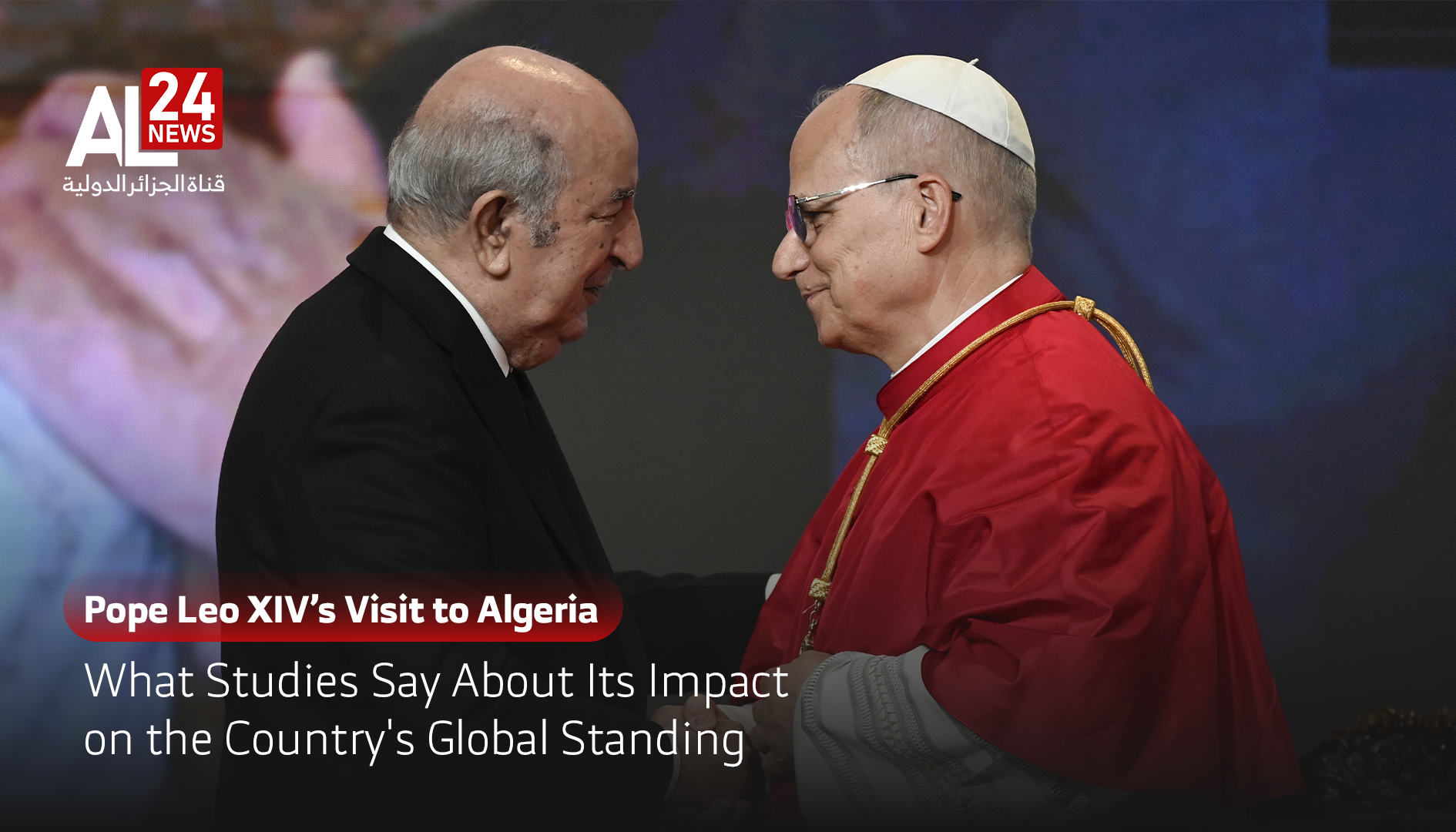
When Pope Leo XIV visited Algeria on April 13–15, 2026, it was more than a symbolic religious and diplomatic trip. Political science research suggests that such visits can produce measurable, lasting effects on a country’s global reputation, influencing areas like human rights perception, soft power, tourism, and international media coverage.
One of the most important studies on this topic, “Pacem in Terris: Are Papal Visits Good News for Human Rights?” by economists Jerg Gutmann and Marek Endrich, provides strong evidence. Covering papal visits from 1964 to 2016 across more than 170 countries, the study uses advanced statistical methods to isolate the real impact of these visits. It controls for factors like economic conditions, conflicts, and political instability, ensuring that the effects observed are genuinely linked to the pope’s presence.
The conclusion is clear: papal visits are not just ceremonial. They create real changes both in how countries behave and how they are perceived globally.
“A popular assumption in international politics is that a country’s political influence is roughly proportional to its size in terms of population, economy, and military. For a long time, the Vatican has been a startling exception to this rule. Even though it lacks the economic and military means of other nation states, the Vatican enjoys a reputation as an influential player in the global political arena,” the study’s authors note.
The empirical evidence suggests that papal visits are associated with periods of increased international visibility, during which governments may place additional emphasis on institutional communication, reform narratives, and engagement with global audiences. These factors collectively contribute to observable changes in human rights indicators before and after the visit, as documented in the dataset.
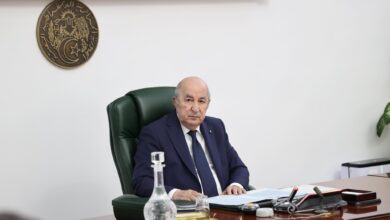
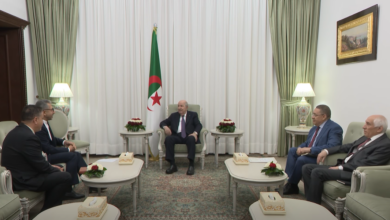
In Algeria’s case, the visit was initiated at the highest political level and framed around themes of peace, coexistence, and dignity. International media coverage largely reflected this framing, portraying Algeria as a country of tolerance, rich history, and interfaith dialogue.
Beyond human rights, papal visits are powerful tools of soft power. Unlike military or economic influence, soft power works through perception, values, and cultural appeal. A visit by the pope generates global attention that can simultaneously improve multiple aspects of a country’s image.
According to nation-branding frameworks like the Anholt–Ipsos Nation Brands Index, such an event can enhance perceptions of governance, culture, people, and tourism appeal all at once. During the visit, global media showcased Algeria’s major landmarks, including the Great Mosque of Algiers (Djamaa el Djazaïr), Church of Notre Dame d’Afrique and the ancient archeological site of Hippo Regius in Annaba. Reports also highlighted figures like Saint Augustine and Algeria’s long tradition of religious coexistence.
From this, three main channels of impact emerge.
First is media visibility and framing. The visit generated widespread international coverage that shifted the narrative about Algeria. Instead of the usual focus on security or migration, many outlets emphasized culture, heritage, and dialogue.
Second is tourism promotion. The global exposure of Algeria’s historical and religious sites acts as a form of high-value advertising. Research shows that countries hosting papal visits often see increases in tourism, especially among culturally and religiously motivated travelers, in the following years.
Third is diplomatic credibility. Hosting the leader of the Catholic Church as a Muslim-majority country sends a strong signal of openness and confidence. It demonstrates the ability to engage across cultural and religious boundaries, reinforcing Algeria’s image as a country that supports coexistence and dialogue. This aligns with its broader diplomatic positioning as a mediator and advocate of international cooperation.
In essence, the visit functions as what researchers call a “reputation event.” It concentrates global attention on a country and creates an opportunity to reshape how it is perceived.
Algeria has offered the world, through Pope Leo XIV’s two days on its soil, a coherent and compelling message: that a majority-Muslim nation can host the Bishop of Rome with dignity, confidence and warmth; that the land of Saint Augustine has not forgotten its universal vocation; and that peace, in the words the pope inscribed at the Great Mosque, is both a prayer and a project — for “the noble Algerian people and the whole human family.”