
European powers set red lines for potential Ukraine-Russia peace deal ahead of London talks

European powers told the United States last week which aspects of a potential peace deal between Ukraine and Russia would be non-negotiable for them, ahead of a new round of discussions on Wednesday in London, according to Reuters.
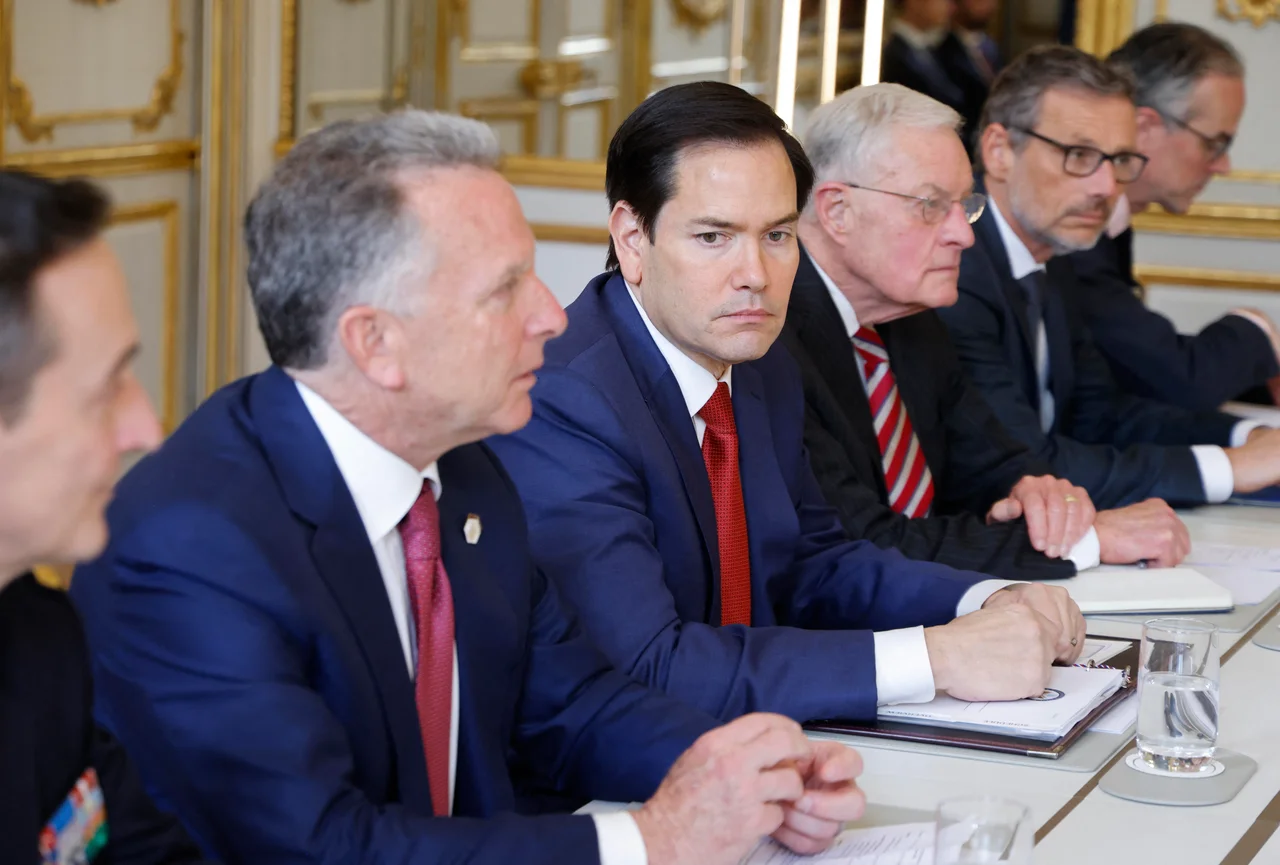
Ukraine, the U.S., France, Britain and Germany held their first joint talks since President Donald Trump came to power on Thursday in Paris, sharing their views on ways to end the three-year-old conflict.
Senior officials, including U.S. Secretary of State Marco Rubio, will meet again in London on Wednesday.
Meanwhile, Russian President Vladimir Putin proposed on Monday bilateral talks with Ukraine for the first time since the early days of the war, and his Ukrainian counterpart Volodymyr Zelenskiy said Kyiv was eager to discuss a halt to attacks on civilian targets.
This comes as the two leaders face pressure from the United States, which has threatened to walk away from its peace efforts unless some progress is achieved.
Russia and Ukraine have said they are open to further ceasefires after a 30-hour Easter truce declared by Moscow at the weekend, despite accusing each other of violating it.
Putin, speaking to a Russian state TV reporter, said he was open to any peace initiatives and expected the same from Kyiv.
“We have always talked about this, that we have a positive attitude towards any peace initiatives. We hope that representatives of the Kyiv regime will feel the same way,” Putin told state TV reporter Pavel Zarubin.
Zelenskiy, in his nightly video address, said Ukraine stood by its proposal for an end to attacks on civilian targets and was ready for any form of discussion to achieve it.
“Ukraine maintains its proposal not to strike at the very least civilian targets. And we are expecting a clear response from Moscow,” he said. “We are ready for any conversation about how to achieve this.”
He said the London talks “have a primary task: to push for an unconditional ceasefire. This must be the starting point.”
Zelenskiy had earlier on Monday said an unconditional ceasefire would be “followed by the establishment of a real and lasting peace”.
On Sunday, however, U.S. envoy General Keith Kellogg said that NATO alliance membership was “off the table” for Ukraine, in line with Trump’s previous statements that past U.S. support for that was a cause of the war.
“We have heard from Washington at various levels that Ukraine’s membership in NATO is excluded (…) of course, this is something that causes us satisfaction and coincides with our position,” Kremlin spokesman Dmitry Peskov told reporters, but declined to comment on Trump’s hopes for a peace deal this week.