
Algeria’s Ambassador to the UN Calls for Immediate Ceasefire and Diplomatic Efforts in Sudan


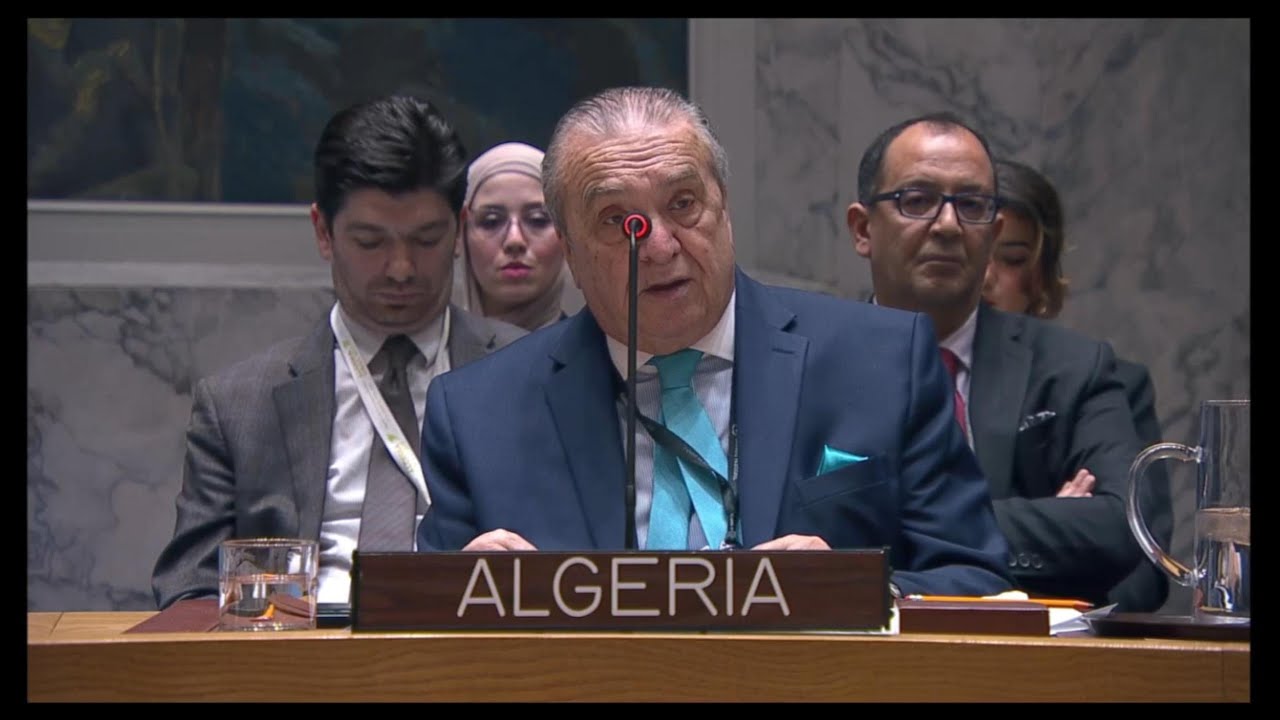
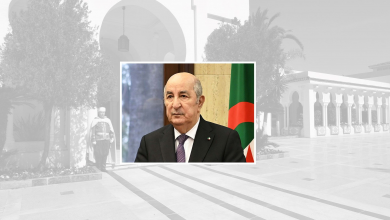
Algeria’s Permanent Representative to the United Nations, Ambassador Amar Bendjama, delivered a powerful statement on behalf of the A3+ group during a recent UN Security Council meeting, addressing the alarming situation in Sudan. The A3+ group consists of Guyana, Mozambique, Sierra Leone, and Algeria.
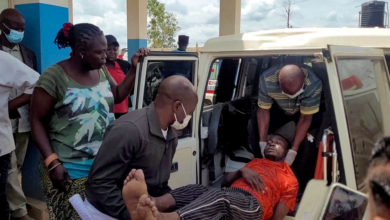
Ambassador Bendjama emphasized that Sudan has been a central issue on the UN Security Council’s agenda since the onset of the conflict. Despite sustained efforts to de-escalate tensions and achieve a ceasefire, the situation in Sudan continues to deteriorate. Recent reports from El Fasher, Khartoum, Al Jazirah, and Sennar describe harrowing scenes of violence, including the deaths of innocent civilians and the destruction of essential health infrastructure.
Ambassador Bendjama was particularly vocal about the atrocities committed by the Rapid Support Forces in South Kordofan, where there have been widespread killings, abductions, rapes, and attacks against civilians. Women and girls, in particular, have borne the brunt of these unspeakable violations. In his statement, he commended the resilience of Sudanese women and called for accountability for all perpetrators of human rights violations.
The Ambassador highlighted the A3+ group’s firm stance on addressing the crisis, emphasizing four key points:
1. Immediate Ceasefire: Ambassador Bendjama reiterated the urgent need for an immediate, unconditional ceasefire, stressing the devastating impact of the conflict on civilians, including displacement, sexual violence, food insecurity, and regional instability.
2. Engaging in Diplomatic Efforts in Good Faith: He called for continued diplomatic engagement from both Sudanese parties and international partners, underscoring the need for coordination and the central roles of the UN and the African Union. The Ambassador also welcomed the organization of the 3rd Consultative meeting in Mauritania and the upcoming proximity talks between the Sudanese parties scheduled for 2025.
3. Facilitating Humanitarian Access: Ambassador Bendjama acknowledged the government’s positive steps, such as the opening of airports for humanitarian flights and the establishment of supply hubs, but urged Sudan to sustain and expand these efforts to ensure aid reaches all those affected by the conflict.
4. Ending Foreign Interference: He strongly condemned foreign interference in Sudan, citing a statement by USG Di-Carlo, which condemned the actions of certain external actors enabling the violence. He called for full respect of sanctions and the arms embargo imposed on Sudan.
In conclusion, Ambassador Bendjama stressed the importance of the Security Council’s continued engagement and support for peace efforts in Sudan, underscoring the need for collective action to prevent further regional destabilization.