
Algerian Zouhair Hamdi Appointed New Executive Director of RCREEE

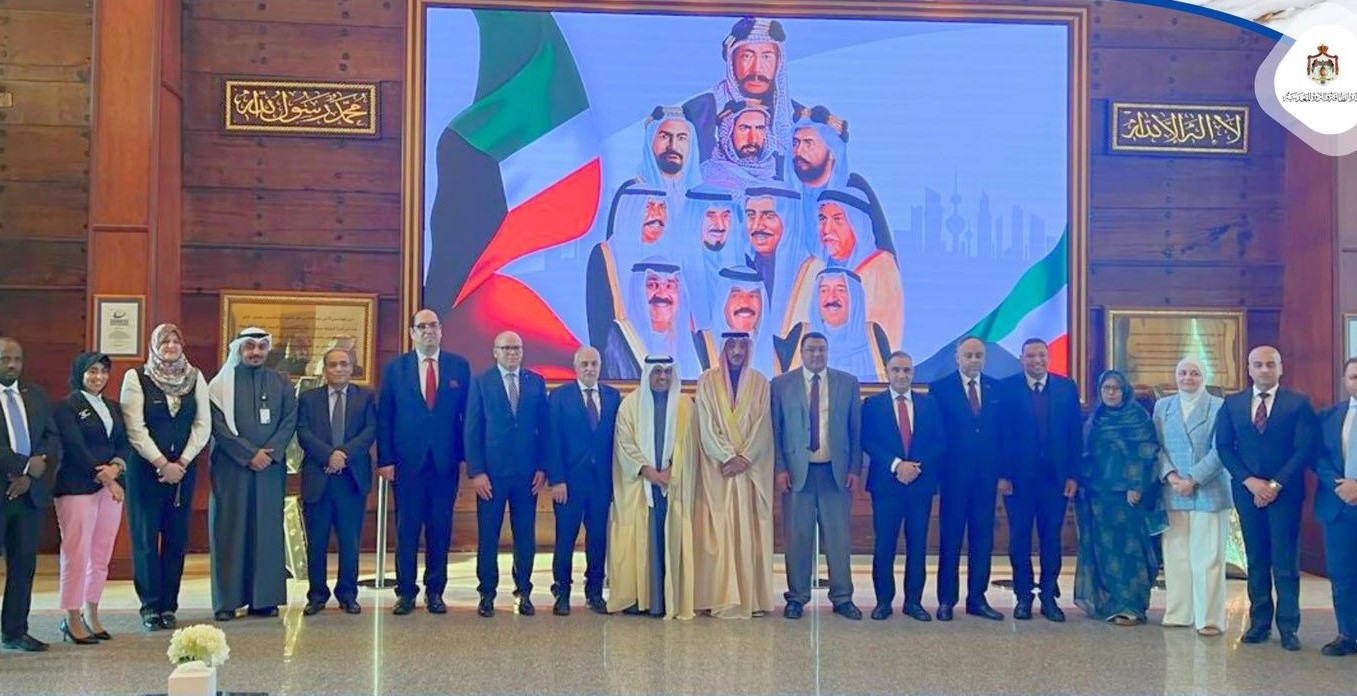
Zouhair Hamdi from Algeria has been elected as the Executive Director of the Regional Center for Renewable Energy and Energy Efficiency (RCREEE) with an absolute majority. This was announced in a communiqué from the Ministry of Energy, Mines, and Renewable Energy, which oversees the center that comprises 17 member Arab countries.
Hamdi secured this position by receiving the majority of votes during a session of the Council of Secretaries that concluded the 24th meeting of RCREEE, held on February 18 and 19 in Kuwait. The session was attended by Noureddine Yassaâ, Secretary of State to the Minister of Energy in charge of Renewable Energies, and Abdelkader Kacimi el Hassani, the Algerian Ambassador to Kuwait, according to the statement.
This appointment “represents a significant milestone in Mr. Hamdi’s distinguished career in renewable energy and energy efficiency,” highlighting his extensive experience in developing clean energy strategies, enhancing regional and international cooperation, and formulating energy policies and transition strategies related to renewable energy, energy efficiency, climate change, and economic development within the framework of the United Nations’ Sustainable Development Goals.
The newly appointed Executive Director holds a Ph.D. in International Relations and Middle Eastern Studies from Durham University (UK), where he wrote a thesis titled “Foresight Study on Diversifying Energy Sources in the Electricity Production Sector in Gulf Cooperation Council (GCC) Countries by 2050.” Additionally, Hamdi has a Magister in International Relations and a Bachelor’s degree in Political Science and Economics from the American University in Cairo.
Based in Cairo, RCREEE is an independent organization comprising 17 Arab countries, dedicated to coordinating regional efforts to promote renewable energy usage and improve energy efficiency, in accordance with its strategic plan approved by the Council of Secretaries.
The center’s organizational structure features three levels: the Council of Secretaries representing member states, an executive committee tasked with overseeing decision implementation, and a general secretariat led by the Executive Director.
The primary goal of the center is to assist Arab countries in developing sustainable energy policies, advancing scientific research, and encouraging investments in clean energy.
According to the same source, the center functions as the official technical body of the Arab League and the Arab Electricity Council.
During the margins of the 24th meeting, Yassaa discussed collaboration and investment opportunities in Algeria’s energy sector with Mubarak Mohammed Al-Sabah, President of the Kuwaiti company Aslaa, particularly in the domains of new and renewable energy and energy efficiency.
A strong emphasis was placed on photovoltaic solar energy and the development of green hydrogen, reflecting Algeria’s increasing commitment to enhancing its energy transition and diversifying its energy sources.
Al-Sabah expressed Aslaa’s interest in investing in renewable energy projects in Algeria, underscoring the importance of strengthening partnerships between the two countries in this promising sector, as stated in the communiqué.