
Algerian President: We have adopted several strategies and policies to achieve food security and self-sufficiency

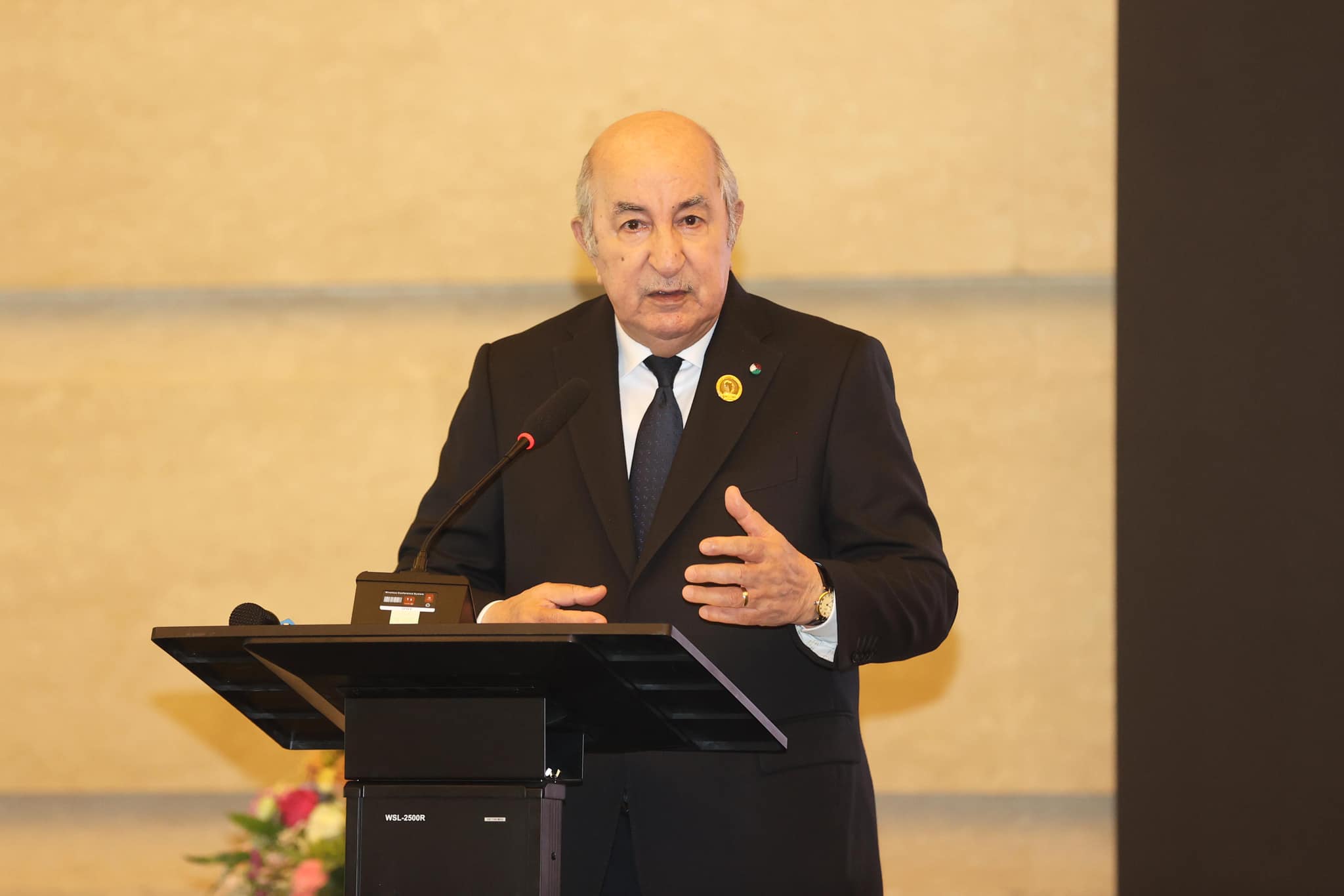
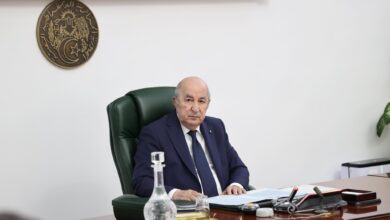
Algerian President Abdelmadjid Tebboune affirmed that Algeria has adopted various strategies and policies to transform its food systems, with the goal of achieving food security and self-sufficiency in both agricultural and livestock products, while taking into account climate, health, and economic dimensions.
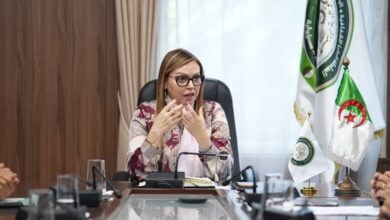
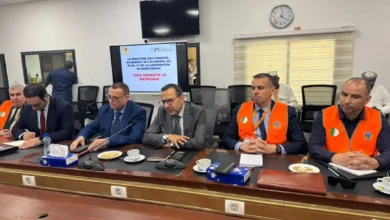
In his speech to the participants of the 2nd edition of the United Nations Food Systems Summit follow-up meeting held in the Ethiopian capital, Addis Ababa — delivered on his behalf by the Minister of Foreign Trade and Export Promotion, Kamel Rezig — President Abdelmadjid Tebboune stated that today’s meeting represents a pivotal phase in the periodic evaluation process established since the 2021 summit, through to the 2023 Rome summit on food security. Moreover, he emphasized Algeria’s commitment from the outset to integrating food systems transformation into national strategies and adopting a national roadmap for the sustainable transformation of food systems, along with practical measures aligned with the 2023 call of the United Nations Secretary-General.
President Abdelmadjid Tebboune affirmed that Algeria has established institutional governance for the transformation of food systems, adopting a participatory approach that includes various national stakeholders and representatives of non-governmental organizations, with special emphasis on women and youth. He added that multiple strategies and policies have been implemented to ensure food security and self-sufficiency in agricultural and livestock products, while taking into account climate, health, and economic dimensions.
In this context, the President highlighted the strengthening of strategic sectors, particularly grain farming, through incentive measures and increasing storage and refrigeration capacity by constructing 30 storage silos, each with a capacity of 100,000 tons. He also noted that Algeria has promoted desert agriculture by allocating 400,000 hectares of farmland, with a target of reaching one million hectares by 2025.