UN: Delivering Humanitarian Aid to Gaza Has Become Nearly Impossible

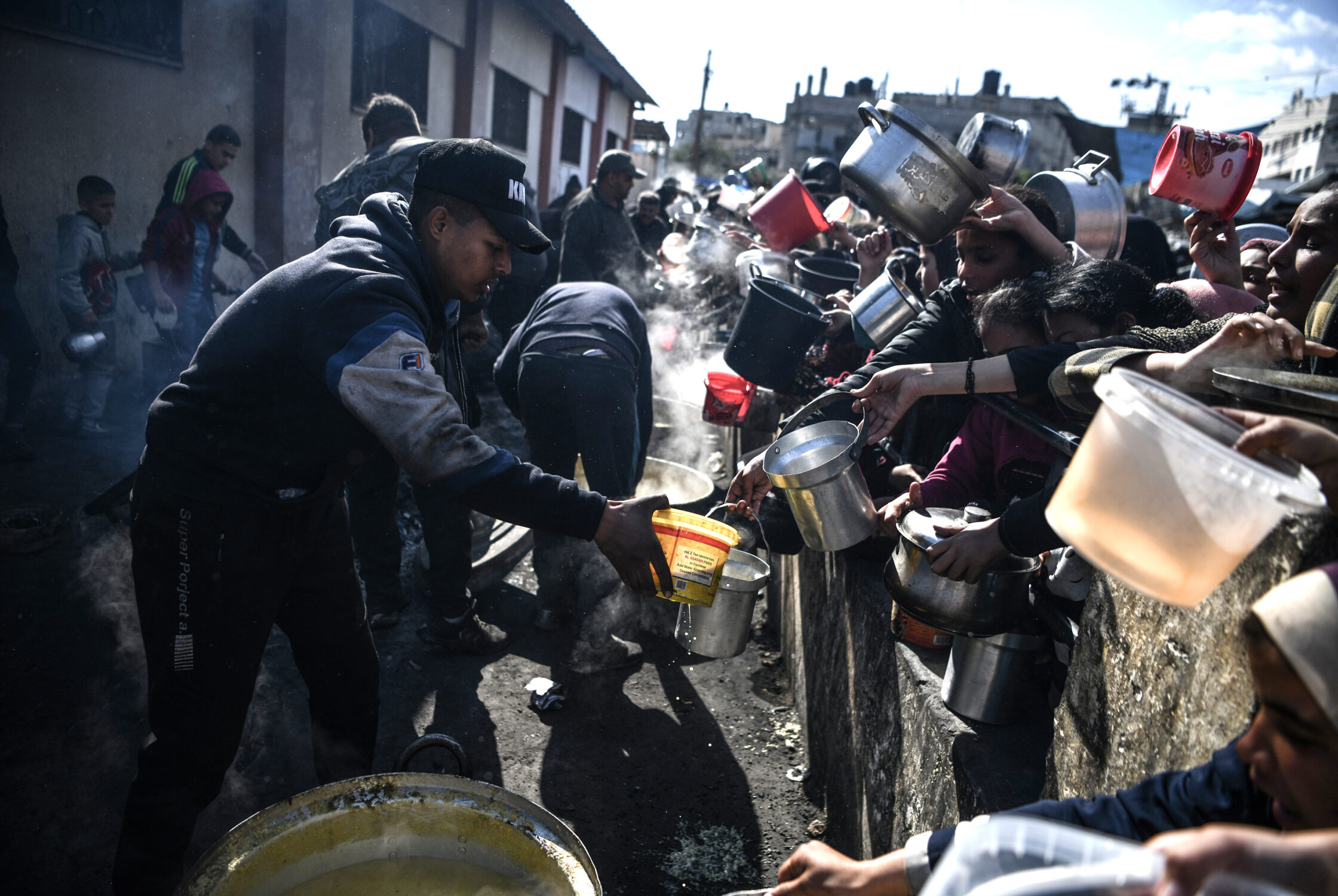
The United Nations Under-Secretary-General for Humanitarian Affairs, Tom Fletcher, has described Gaza as the most dangerous place for delivering humanitarian aid, stating that it has become nearly impossible to provide even a fraction of the required assistance amid enormous humanitarian needs.
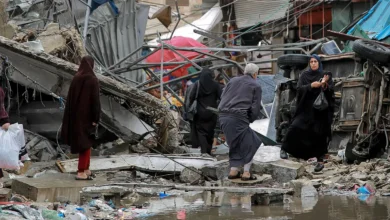
In a statement, Fletcher criticized the Zionist entity’s continued restrictions on humanitarian access, revealing that over 100 requests for access to northern Gaza have been denied. He highlighted the devastating impact of ongoing violence, noting that schools, hospitals, and other civilian infrastructure have been reduced to rubble.
Fletcher also referenced the International Court of Justice’s interim measures issued nearly a year ago concerning the prevention and punishment of genocide in Gaza. Despite these measures, relentless violence has left no safe space for civilians. The blockade on northern Gaza has raised fears of famine, while the overcrowded southern areas have created dire living conditions and mounting humanitarian needs as winter sets in.
Across Gaza, airstrikes on densely populated areas, including those designated as safe zones by occupation forces, have caused widespread destruction, displacement, and loss of life.
Turning to the West Bank, Fletcher expressed grave concern over the deteriorating situation, noting that the death toll is at its highest recorded level. Military operations by the Zionist entity have destroyed essential infrastructure, including roads and water networks, particularly in refugee camps. Additionally, increased settler violence, home demolitions, and severe movement restrictions have led to heightened displacement and impeded access to essential services, particularly healthcare.
Fletcher emphasized that the UN and the broader humanitarian community are striving to maintain their presence and deliver assistance despite escalating challenges. He urged the international community to uphold international humanitarian law, protect all civilians, support the vital work of UNRWA, and break the cycle of violence.