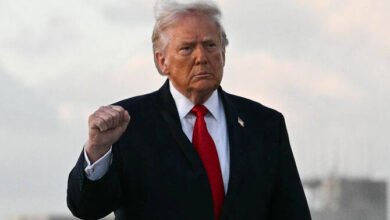
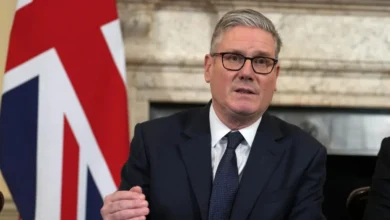
Trump threatens Canada, China, and Mexico with new tariffs

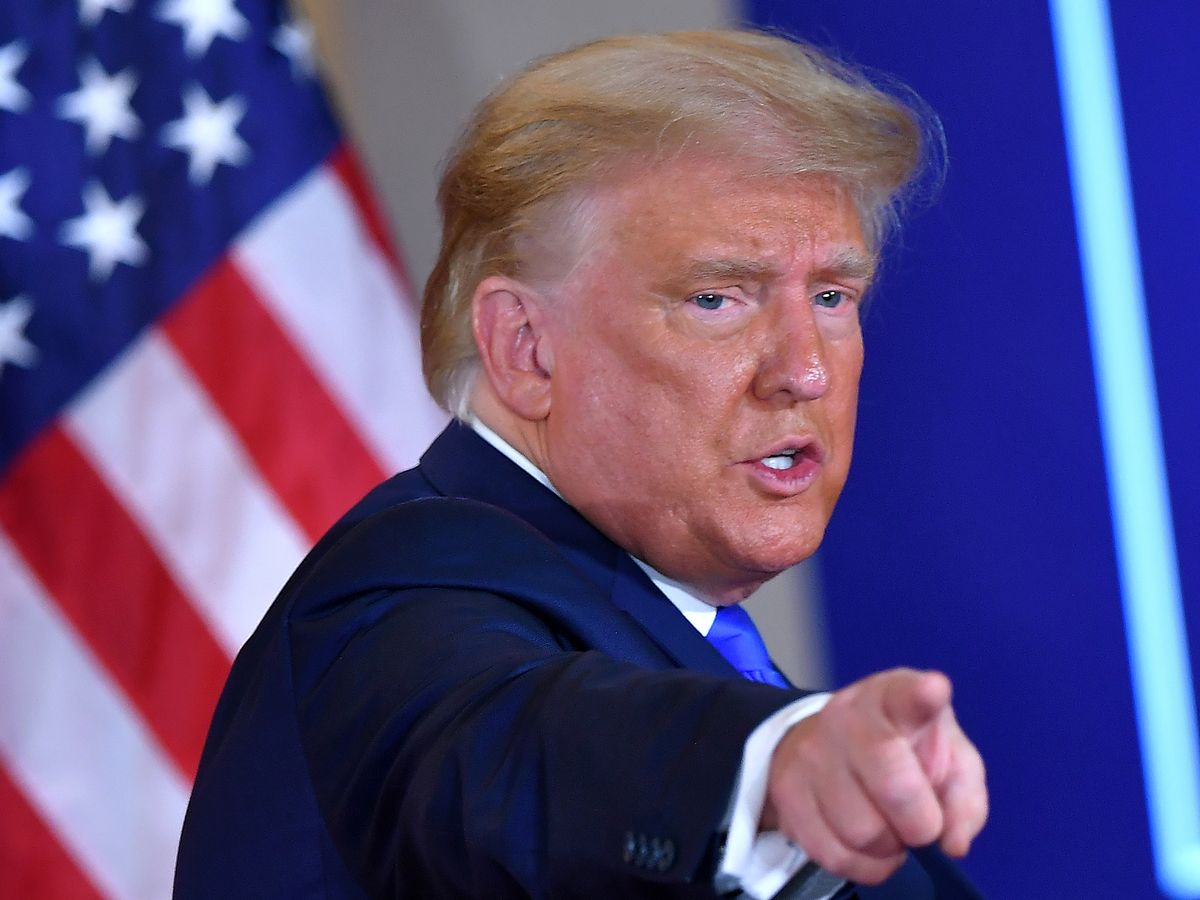
President-elect Donald Trump threatened on Monday to impose new tariffs on Mexico, Canada, and China once he takes office as part of his strategy to combat illegal immigration and fentanyl trafficking. He proposed a 25% tariff on all goods entering the U.S. from Canada and Mexico and a 10% tariff on imports from China.
If implemented, the tariffs could significantly increase prices for American consumers on a wide range of products, from gasoline and automobiles to agricultural goods. The U.S. is the world’s largest importer, with Mexico, China, and Canada being its top three suppliers, according to the latest U.S. Census data.
“On January 20th, as one of my many first Executive Orders, I will sign all necessary documents to charge Mexico and Canada a 25% Tariff on ALL products coming into the United States, and its ridiculous Open Borders,” Trump wrote on his Truth social site.
A senior Canadian government official said that Prime Minister Justin Trudeau and President-elect Donald Trump spoke following Trump’s comments. The two discussed border and trade issues, and the conversation was described as positive.
Trump also turned his ire on China, with an additional 10% tariff, above any additional tariffs, on all of the Chinese products coming into the United States.
The Chinese Embassy in Washington cautioned on Monday that there will be losers on all sides if there is a trade war.
“China-US economic and trade cooperation is mutually beneficial in nature,” embassy spokesman Liu Pengyu posted on X. “No one will win a trade war or a #tariff war.” He added that China had taken steps in the last year to help stem drug trafficking.
Mexico’s Foreign Relations Department and Economy Department had no immediate reaction to Trump’s statements.
It remains unclear whether Trump will implement his threats or use them as a negotiating tactic ahead of his return to the White House.
Trump’s nominee for Treasury Secretary, Scott Bessent—who, if confirmed, would be one of the officials responsible for enforcing tariffs—has previously stated that tariffs are a strategic tool for negotiation, as they can play a central role in encouraging allies to spend more on defence, opening foreign markets to U.S. exports, securing cooperation on issues like illegal immigration and fentanyl trafficking, and deterring military aggression.
Trump won the election in large part due to voter frustration over inflation, but his threatened tariffs pose the risk of pushing prices even higher for food, autos, and other goods. Accordingly, if inflationary pressures increase, the Federal Reserve might need to keep its benchmark interest rates higher.