
Sakiet Sidi Youssef: A symbol of Algerian-Tunisian solidarity in the struggle for sovereignty

Commissioned by Algerian President Abdelmadjid Tebboune, Prime Minister Nadir Larbaoui arrived on Saturday in the Kef Governorate in Tunisia to commemorate the 67th anniversary of the Sakiet Sidi Youssef events alongside his Tunisian counterpart, Prime Minister Kamel Madouri.
Today, Saturday, marks the 67th anniversary of the Sakiet Sidi Youssef events, offering a renewed opportunity to reaffirm the deep ties between Algeria and Tunisia and preserve the historical bond that represents a pivotal chapter in the shared struggle of both peoples against French colonialism.
During the commemoration, the two leaders will discuss ways to strengthen bilateral cooperation, guided by the shared vision of President Tebboune and President Kais Saied, aimed at fostering a strong strategic partnership between the two nations.
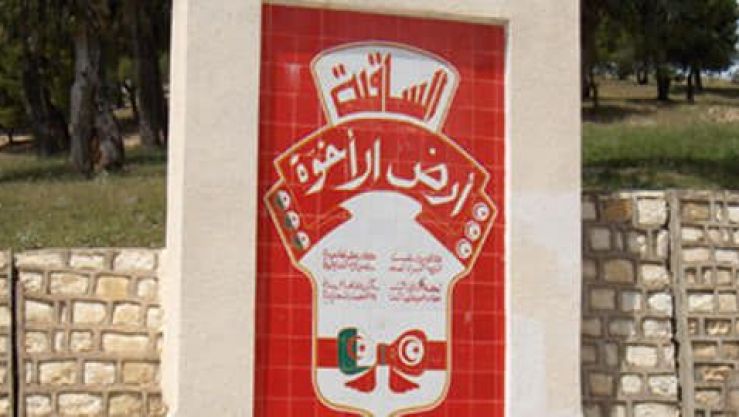
The village of Sakiet Sidi Youssef, located on the Algerian-Tunisian border, became a symbol of historical solidarity after being attacked by French colonial forces on February 8, 1958. The attack led to the martyrdom of dozens and the wounding of hundreds of Tunisians and Algerians, exemplifying French colonial brutality and its practice of collective punishment against those who supported the Algerian National Liberation Army’s struggle for independence.
This Tunisian village served as a refuge for Algerian fighters to receive arms and supplies, which led to repeated French attacks aimed at severing Tunisia’s support for Algeria’s war of independence. Sakiet Sidi Youssef had already been targeted on October 1 and 2, 1957, and January 30, 1958. These attacks paved the way for a larger massacre carried out by French colonial forces on February 8, 1958, coinciding with the weekly market in the town, which attracted many civilians from Tunisia and Algeria. On that day, French bombers and fighter planes unleashed a continuous barrage for over an hour, targeting government buildings, schools, shops, and homes. Historical sources report that 68 people, including children and women, were martyred in the attack.