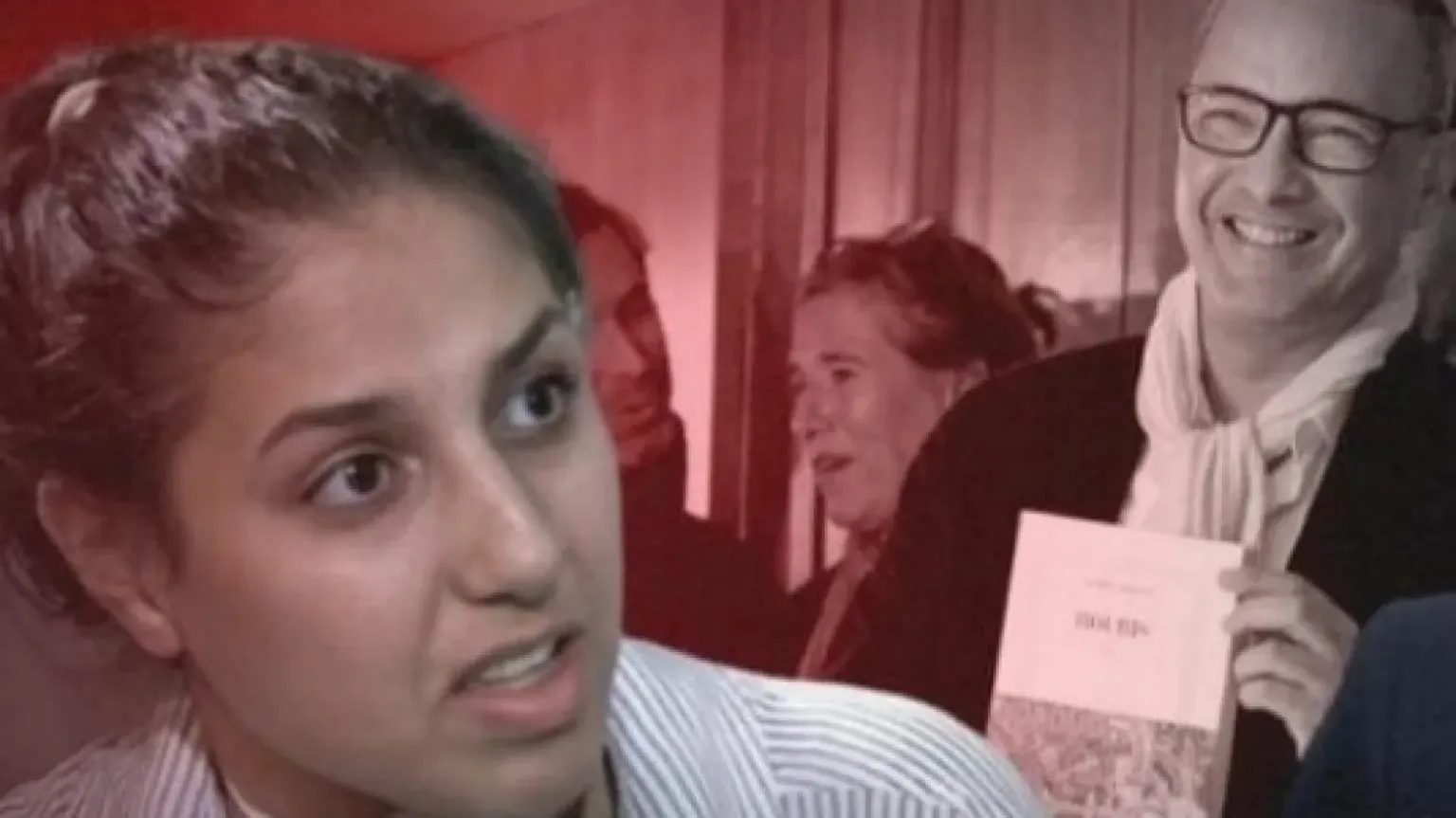
Saâda Arbane, a survivor of a family massacre during Algeria’s violent 1990s, has publicly accused renowned Algerian author Kamel Daoud of using her personal tragedy as the basis for his acclaimed Goncourt Prize-winning novel Houris. Saâda, who lost her voice after surviving a throat-slitting attempt during the massacre, claims Daoud’s portrayal of a mute woman, Aube, mirrors her own life too closely to be coincidental. She accuses Daoud and his wife, a psychologist, of exploiting private details shared during therapy sessions, including her scar, her silence, and her emotional struggles. Saâda maintains that these personal experiences were used without her consent to fuel Houris‘ plot.
Saâda also reveals that when she met the Daouds, Kamel Daoud suggested turning her story into a book, despite her refusal. Later, Mrs. Daoud allegedly promised that the novel would not focus on her personal history. To Saâda’s shock, she later discovered that Houris bore striking similarities to her life. Saâda accuses the Daouds of violating her privacy and turning her trauma into a bestselling novel for profit. The situation became more complicated when she learned the novel was being adapted into a film, with financial compensation offered to her in exchange for her silence.
This case has sparked ethical debates about the use of real-life suffering in fiction and the responsibilities of writers when drawing from personal experiences without consent. Saâda’s fight is about more than just a book; it’s about protecting personal dignity and privacy, raising important questions for writers, therapists, and society about the fine line between creativity and exploitation.