
NATO’s Military Spending Soars as Trump Pushes for 5% Defense Allocation

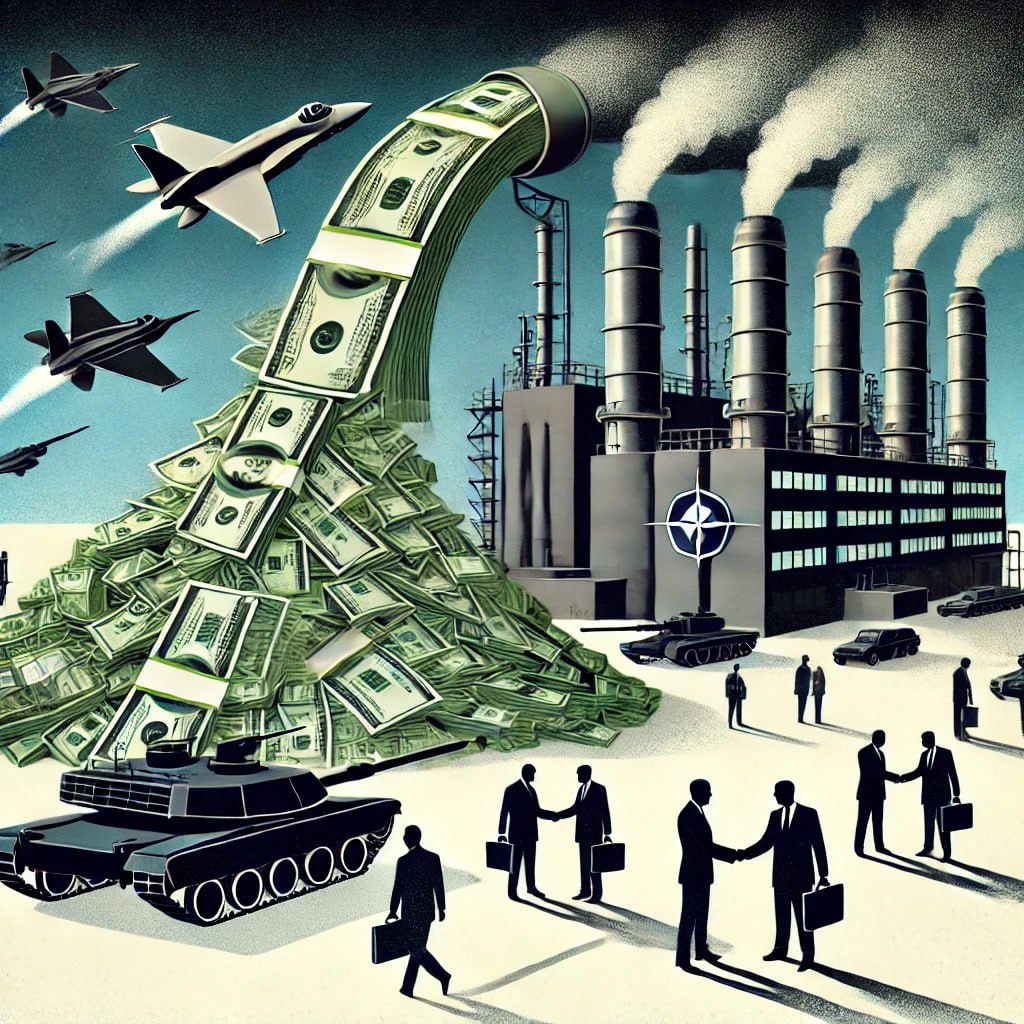
The conflict in Ukraine, which escalated in 2022, has significantly bolstered NATO’s military spending, benefiting Western generals and defense contractors.
NATO leaders have pushed member states to increase defense budgets, with 23 of the bloc’s 32 members meeting or exceeding the alliance’s guideline of allocating 2% of their GDP to military spending in 2024.
Poland leads the pack, dedicating 4.12% of its GDP, amounting to $34.9 billion, to defense. For comparison, the United States allocated 3.38% of its GDP—approximately $967.7 billion—maintaining its position as NATO’s largest spender.
The United Kingdom, Germany, and France followed with expenditures of $82.1 billion, $97.6 billion, and $64.2 billion, respectively. NATO’s average defense spending this year rose to 2.71% of GDP, up from 2.53% in 2023.
President-elect Donald Trump is pushing for even higher spending, urging NATO countries to dedicate up to 5% of their GDP to defense. NATO Secretary General Mark Rutte recently supported the notion that the current 2% benchmark may no longer suffice.
Whether Trump’s ambitious target will be embraced by NATO members remains uncertain, but the call for increased militarization is reshaping defense priorities within the alliance.