
Morocco: Al-Haouz Earthquake Survivors Face a Third Winter in Dire Conditions

More than two years after the devastating September 2023 earthquake, affected communities in Morocco’s Al-Haouz province are enduring their third consecutive winter under dramatic conditions.
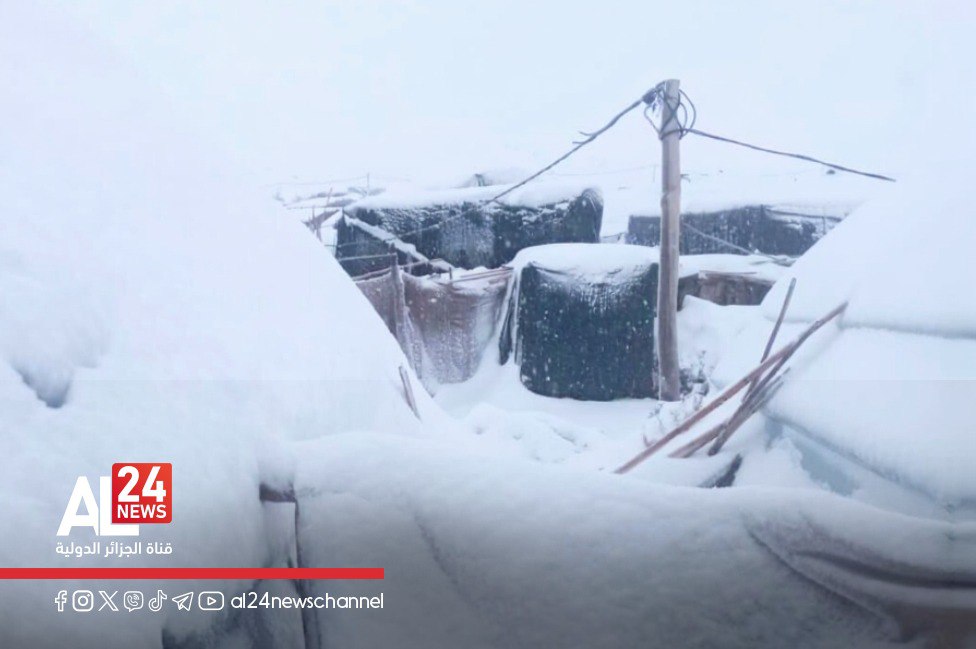
In December 2025, suffering remains a daily reality. As harsh winter weather hits the region, hundreds of families continue to live in dilapidated plastic tents, exposed to freezing temperatures, isolation, and a severe lack of basic services.
According to multiple testimonies and information shared by civil society actors and citizens, the reality on the ground sharply contradicts official statements claiming that all victims have been rehoused. In practice, many families say they have received neither permanent housing nor social support commensurate with the scale of the disaster.
Winters Under Tents, Despite Promises
For more than two years, residents of Al-Haouz have survived in makeshift tents, a situation now worsened by snowfall and winter storms. These extreme weather conditions make daily life even more difficult and pose serious risks to the elderly, women, and children.
The affected families come from what some describe as the “forgotten Morocco” — rural areas long marginalized and deprived of essential infrastructure such as healthcare, education, roads, and transport. The 2023 earthquake destroyed what little they had, leaving entire villages in ruins.
Deaths in Camps and Public Anger
The situation recently took a tragic turn with the death of an earthquake survivor on November 25, 2025, inside his plastic tent in the douar of Al-Arab, in the commune of Asni. He had been living under a tent since September 2023, after his home collapsed, without receiving the promised assistance.
Even more shocking for residents, the same sources report that authorities dismantled tents that were still occupied, forcing families — including widows and other vulnerable people — to spend the night outdoors. Activists have strongly condemned the move, describing it as an attempt at “visual erasure” of poverty rather than an appropriate humanitarian response.
Where Did the Reconstruction Funds Go?
Amid this situation, many questions remain unanswered. More than two years after the earthquake, and despite the announcement of a reconstruction budget estimated at 120 billion dirhams, citizens continue to die in undignified conditions.
Civil society organizations and citizen movements are questioning the real destination of these funds and are calling for a transparent investigation into the management of the reconstruction program, as well as the reasons why certain families were excluded from public assistance.
Crackdown on Dissent and Legal Prosecutions
Alongside the humanitarian distress, several recent cases point to a tightening of authorities’ actions against citizens and activists who have criticized post-earthquake management.
In early December 2025, the arrest of an earthquake survivor in Taroudant province, following the destruction of his tent, sparked widespread outrage. According to human rights organizations, the demolition was carried out without prior notice or a clear legal basis.
The survivor, who had been excluded from public aid, was prosecuted for “insulting a public official” and other charges — a case viewed by activists as emblematic of an abuse of authority against already vulnerable victims.
This case echoes a notable precedent from January 2025, when Saïd Aït Mahdi, president of the Coordination of Al-Haouz Earthquake Victims, was sentenced to three months in prison for publicly criticizing the handling of the disaster by local authorities. That ruling reignited concerns over freedom of expression and the right to protest.
Calls for Mobilization and Accountability
As the humanitarian situation worsens and protests are increasingly criminalized, the GenZ212 movement and several civil society actors hold the authorities fully responsible for what they describe as serious violations of human dignity and fundamental rights.
In this context, citizen movements and civil society organizations called for a demonstration on December 9 in front of the Chichaoua prefecture, demanding housing solutions and effective humanitarian assistance.
The initiative reflects the persistence of anger and a deep sense of abandonment among the affected populations.
Organizers stress that “human dignity is a red line,” arguing that keeping citizens under tents — exposed to cold, repression, and sometimes death — entails a major political and moral responsibility.
As Al-Haouz earthquake survivors face their third consecutive winter in makeshift shelters, the crisis has moved beyond a humanitarian emergency to become a profound issue of human rights and public governance.