
India and Pakistan signal readiness for de-escalation contingent on mutual restraint

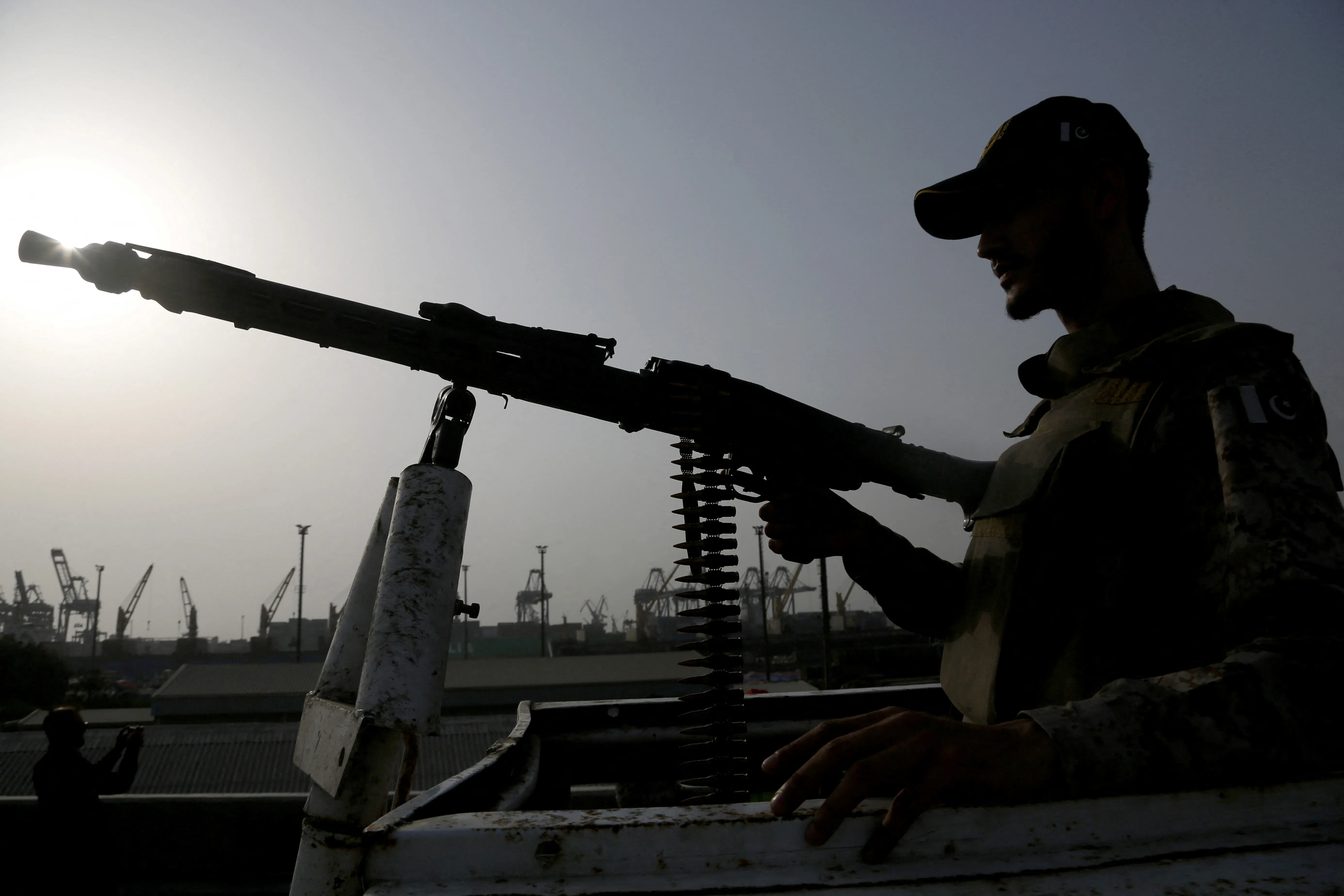
Pakistan’s foreign minister said on Saturday his country would consider de-escalation if India stopped further attacks, following India’s statement that it was committed to non-escalation if Pakistan reciprocated, as both sides exchanged strikes in the worst fighting since 1999.
Ishaq Dar, the Pakistani foreign minister, still warned that if India launched any strikes, “our response will follow.”
Dar told Pakistan’s Geo News that he also conveyed this message to U.S. Secretary of State Marco Rubio when he contacted him after speaking to New Delhi two hours ago.
“We responded because our patience had reached its limit. If they stop here, we will also consider stopping,” he said.
India said it targeted Pakistani military bases after Islamabad fired several high-speed missiles at multiple Indian air bases in the country’s Punjab state early Saturday.
Pakistan earlier said it intercepted most missiles targeting three air bases and that retaliatory strikes on India were underway. Accordingly, it announced targeting multiple bases in India, including a missile storage site in India’s north, in response to prior attacks by the Indian military.
India said there was limited damage to equipment and personnel at air force stations in the Udhampur, Pathankot, Adampur and Bhuj areas. The military added there were several high-speed missile attacks on several air bases in Punjab, and that India had responded to the attacks.
Locked in a longstanding dispute over Kashmir, the nuclear-armed rivals have engaged in daily clashes since Wednesday, when India launched strikes inside Pakistan on what it called “terrorist infrastructure”. Pakistan vowed to retaliate.
Pakistan’s information minister said in a post on X that Saturday’s military operation was named “Operation Bunyanun Marsoos”. The term is taken from the Koran and means a firm, united structure.
Separately, U.S. Secretary of State Marco Rubio called Pakistan’s Army Chief General Asim Munir and India’s foreign minister, Subrahmanyam Jaishankar, urging both sides to de-escalate and “re-establish direct communication to avoid miscalculation”.
As the conflict intensifies, analysts and diplomats fear it could escalate into the use of nuclear weapons, in one of the world’s most dangerous and most populated nuclear flashpoint regions.