

Germany’s Far-Right AfD Gains Strength as Traditional Parties Struggle Ahead of Elections

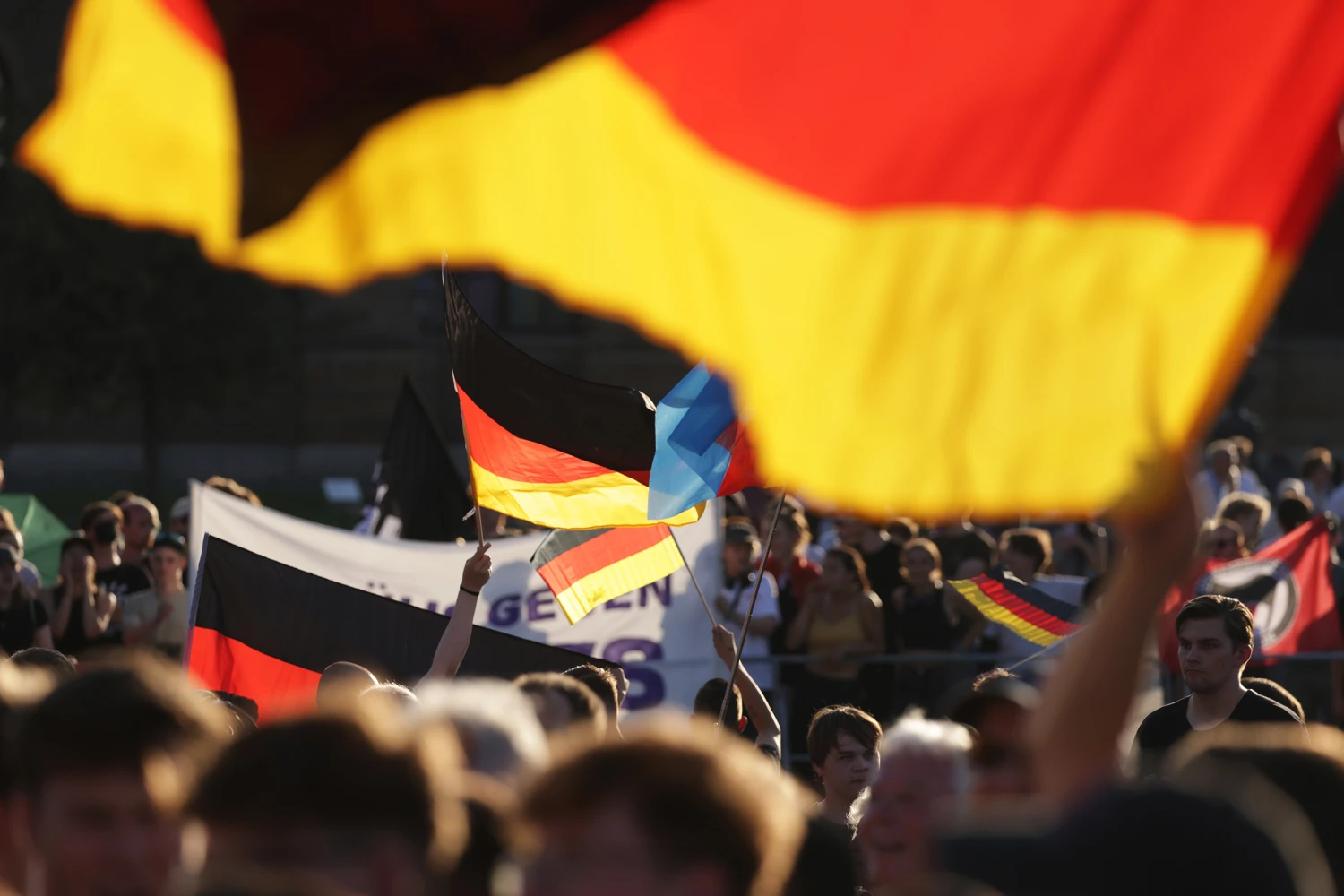
Germany’s far-right Alternative for Germany (AfD) is seeing a surge in support ahead of Sunday’s elections, as mainstream center-right parties fail to attract discontented voters, polling expert Manfred Guellner told Anadolu.
Despite widespread dissatisfaction with Chancellor Olaf Scholz’s collapsed coalition, the main opposition Christian Democratic Union (CDU) has not fully capitalized on the public’s frustration. While the CDU leads with 27% in polls, this marks a significant decline from past election results. Meanwhile, the AfD has nearly doubled its support since 2021, reaching around 20%.
Guellner attributes the AfD’s rise to protest votes from those unhappy with Scholz’s “traffic light coalition,” which dissolved in November over economic disputes. The AfD has become the most successful far-right party in post-WWII Germany, surpassing previous extremist movements. Alarmingly, many protest voters are beginning to adopt the AfD’s nationalist and xenophobic ideology, making them more committed supporters. The party has stirred controversy with anti-immigrant rhetoric, its so-called “remigration” policy, and accusations of Islamophobia.
The upcoming election could lead to political instability, as fragmented results may complicate government formation. While the CDU may attempt a two-party coalition with the SPD or Greens, smaller parties like Die Linke and BSW could surpass the 5% threshold, necessitating a three-party government. If coalition talks drag on, the AfD may continue to gain ground. Although mainstream parties refuse to cooperate with the far-right group, uncertainty in forming a stable government could further fuel its growing support.