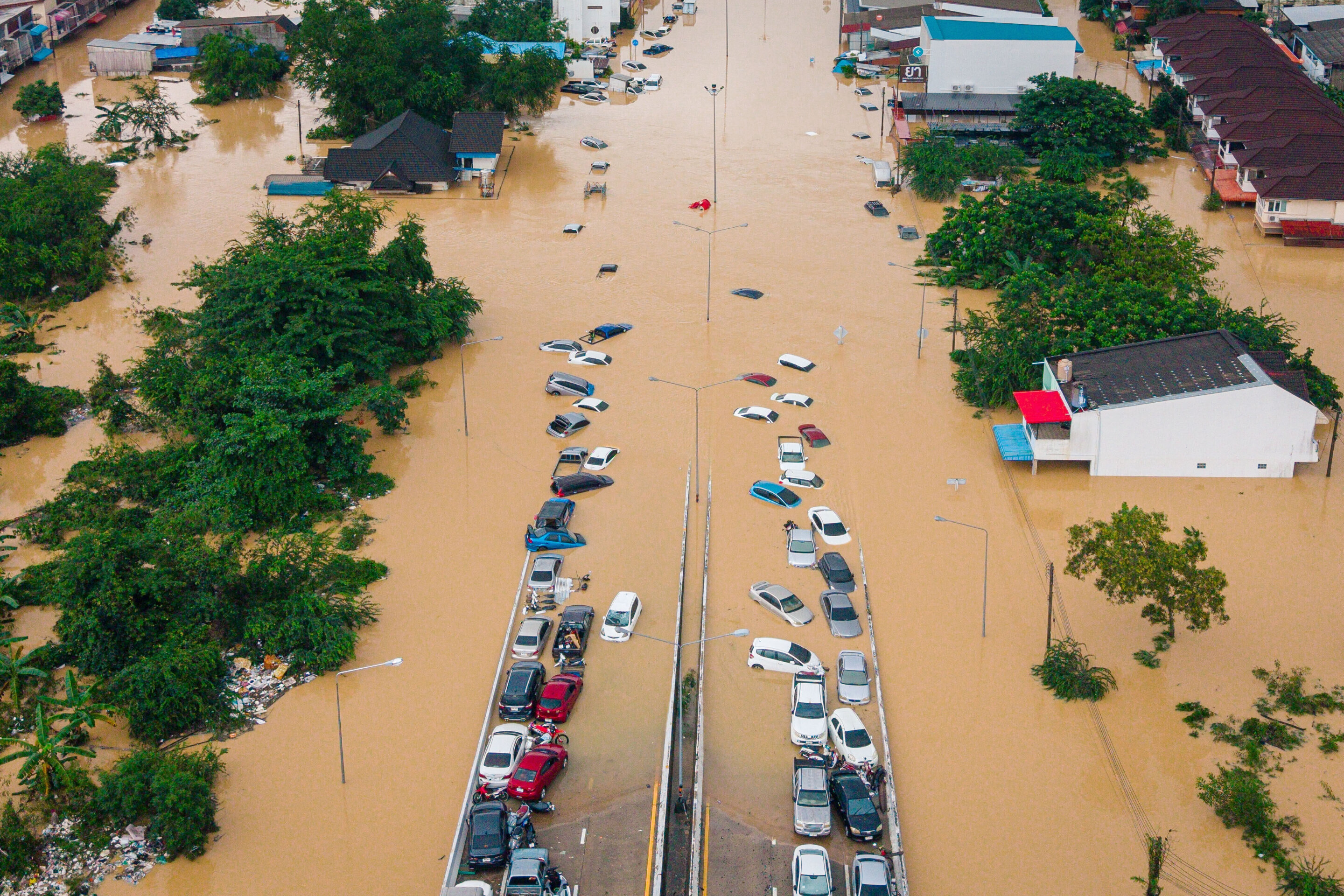
Warmer seas and heavier rainfall linked to climate change helped drive the recent deadly floods in parts of Southeast Asia, scientists explained Thursday, as new research confirmed the influence of global warming on extreme weather. Tropical storms and seasonal rainfall overwhelmed Indonesia, Sri Lanka and neighbouring countries last month, causing landslides and floods that killed hundreds and left thousands displaced.
Two tropical storms dropped enormous amounts of rain, contributing to landslides and flooding that killed more than 600 people in Sri Lanka and nearly 1,000 in Indonesia, officials said. Thousands more were injured and hundreds remain missing.
A rapid analysis by an international group of scientists found that heavier rainfall and warmer seas tied to climate change — along with weather phenomena such as La Niña and the Indian Ocean Dipole — combined to make the storms more intense than they otherwise would have been.
“Climate change is at least one contributing driver of the observed increase in extreme rainfall,” said Mariam Zachariah, one of the study’s authors and a research associate at Imperial College London. “Extreme rainfall events in the Malacca Strait region between Malaysia and Indonesia had increased by an estimated 9–50% as a result of rising global temperatures,” she added.
“Over Sri Lanka, the trends are even stronger, with heavy rainfall events now about 28–160% more intense due to the warming we have already experienced,” Zachariah told reporters, highlighting how the combination of climate change and seasonal weather patterns produced unprecedented rainfall.
Scientists noted that although climate models cannot yet pinpoint exactly how much human-induced warming increased rainfall, sea surface temperatures were significantly higher than long-term averages, providing extra heat and moisture to fuel the storms.
In addition to climate change, researchers said deforestation and the region’s geography — including densely populated plains and landscapes that channel heavy rain — contributed to the catastrophic impacts.
Another expert, Sarah Kew, lead author and climate researcher at the Royal Netherlands Meteorological Institute, told journalists: “What is not normal is the growing intensity of these storms and how they are affecting millions of people and claiming hundreds of lives.”
The flood disasters — among the deadliest in the region’s recent history — underscore the increasing risk that climate change poses to vulnerable communities as extreme rainfall events become more frequent and severe.