

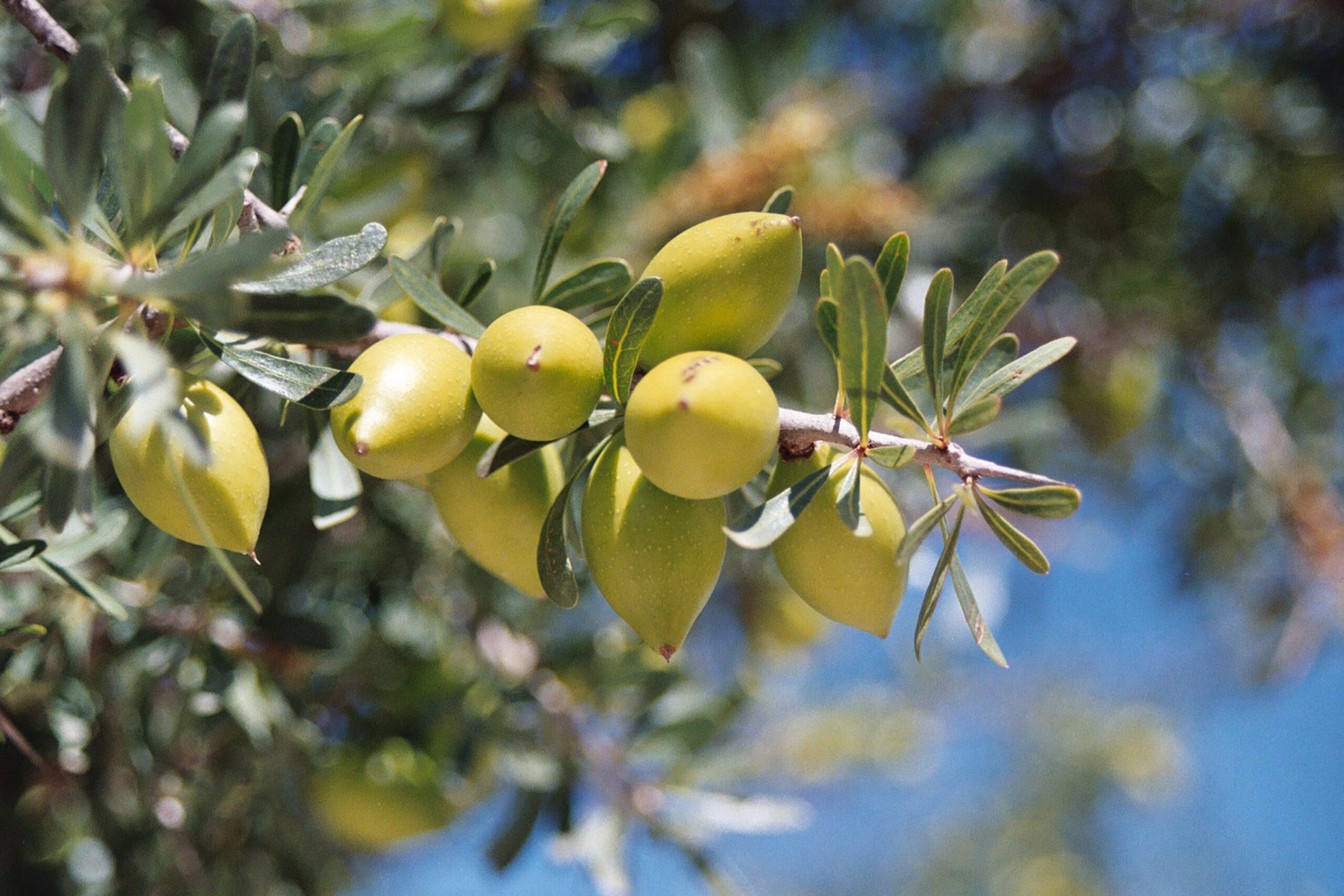
Algerian Director General of Forests Djamel Touahria announced Sunday that the Ministry of Agriculture, Rural Development and Fisheries has launched a national program aimed at developing and expanding argan tree cultivation through modern agricultural methods and smart technologies designed to improve yields and increase planted areas.
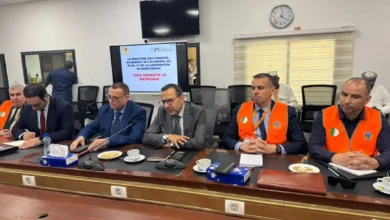
Speaking to the press on the sidelines of a national study day on argan tree development organized by Abdelhamid Ibn Badis University and the provincial forestry department, on the occasion of the International Day of the Argan Tree, Touahria said the program is based on planting 250 trees per hectare, adopting water-saving techniques such as drip irrigation, and using smart technologies to monitor tree growth and improve productivity.
Touahria noted that the state’s current strategy focuses on promoting and expanding argan tree cultivation, pointing out that Tindouf Province is home to around 10,000 argan trees. Authorities are also seeking to extend cultivation across various regions of the country, particularly within the Green Dam Project, given the tree’s natural resistance to desertification and its ability to adapt to harsh climatic conditions.
He added that the program has recorded “very positive” results in terms of fruit quality and the quantity and quality of extracted oil, particularly in Mostaganem, with similar results recorded in other provinces, such as M’Sila, Tamanrasset and Illizi.
Touahria also highlighted the growing interest shown by universities and researchers in the argan tree, reflected in scientific studies and research on its uses and its economic and environmental benefits.
This falls within the framework of the agreement between the agriculture and higher education sectors, complemented by bilateral cooperation agreements between provincial forestry departments and local universities.