Colombia: Amazon River’s Water Levels Plummet by 90% Due to Drought

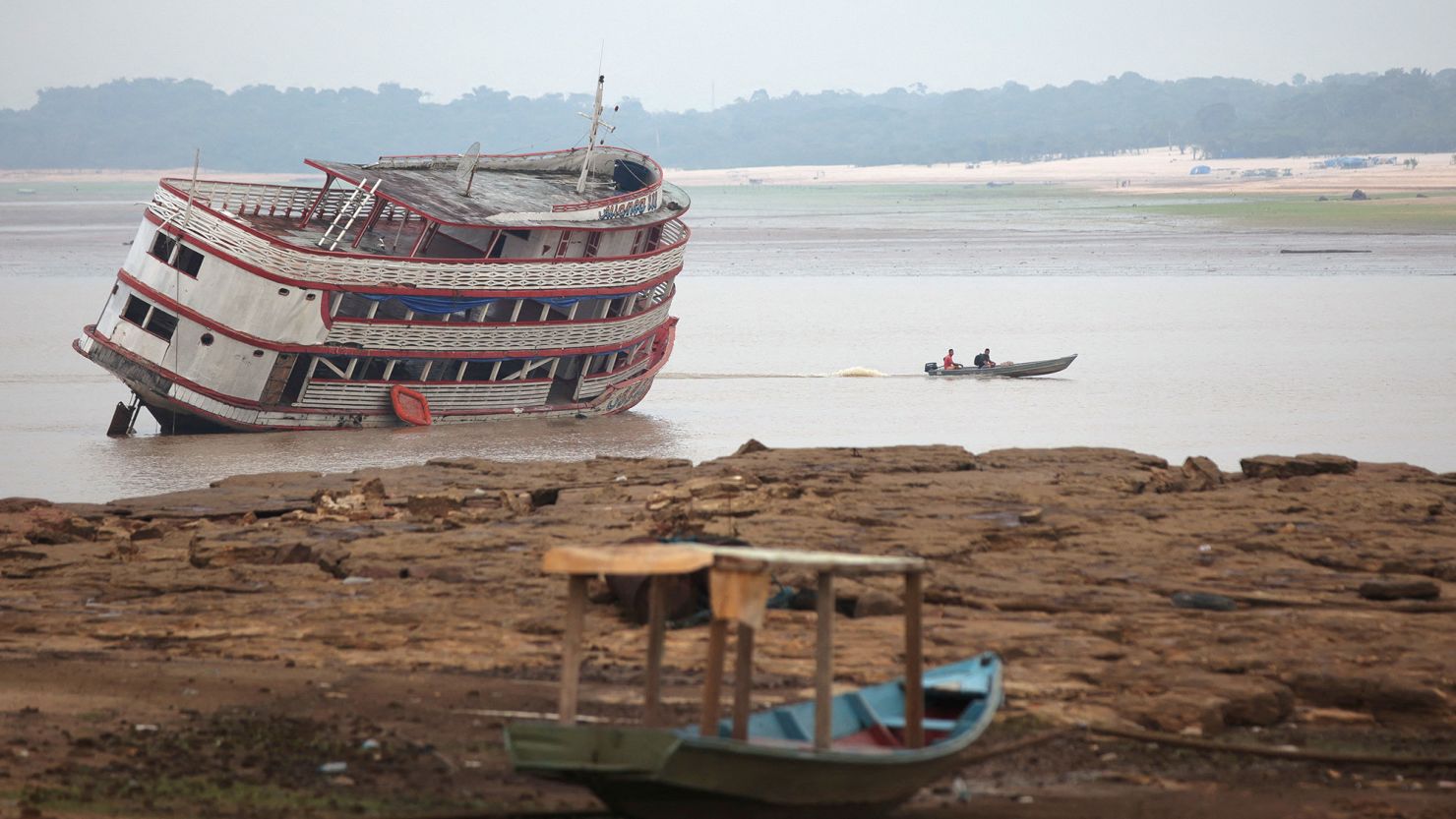
The Amazon River, which flows in southeastern Colombia along the borders with Peru and Brazil, has seen a staggering 90% reduction in water levels over the past three months due to drought conditions, the government announced on Thursday.
In a press release, the National Unit for Disaster Risk Management (UNGRD) stated, “The water level has decreased between 80 and 90 percent in the last three months due to drought caused by climate change.”
The Amazon basin spans nine countries in South America: Brazil, Colombia, Peru, Bolivia, Ecuador, Venezuela, Guyana, French Guiana, and Suriname.
The lack of water was particularly impacting Indigenous communities who depend on the river for food and transport, According to the UNGRD
The city of Leticia, situated in the tri-border area, plays a vital role in local trade due to the Amazon River. Isolated geographically by forests in the extreme southeast of Colombia, it is not connected to the rest of the country by road. Residents report that this is the worst drought they have encountered in half a century.
South America is currently grappling with prolonged drought conditions linked to the El Niño climate phenomenon, resulting in water and electricity rationing, as well as historic wildfires across several countries.
Active fires are reported in Colombia, Peru, Ecuador, Brazil, and Bolivia. Additionally, the Colombian capital, Bogotá, is experiencing water rationing due to low reservoir levels in the surrounding mountains.