China stresses mutual-benefit cooperation after U.S. approves Nvidia H200 chip exports

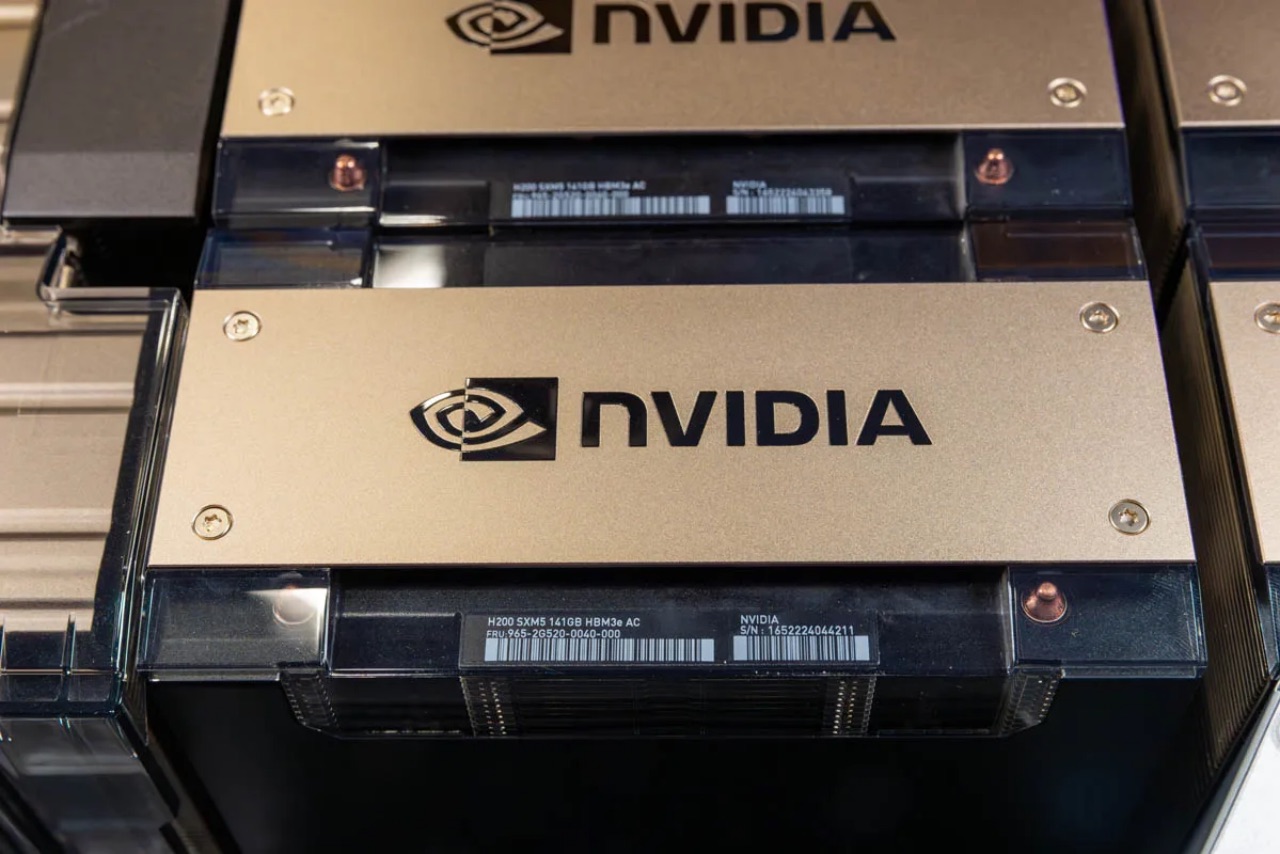
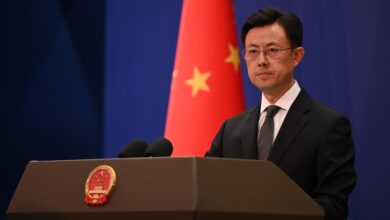
China emphasised its belief that mutual benefit through cooperation with the U.S. is essential, the foreign ministry said on Tuesday, after the U.S. announced its decision to approve exports of Nvidia NVDA.O H200 chip to China.
The announcement follows U.S. President Donald Trump’s statement on Monday that Nvidia’s H200 processors, the company’s second-tier AI chips, will be permitted for export to China, with a 25% fee levied on such sales.
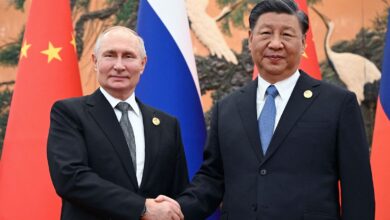
Trump said on social media that he had informed China’s leader Xi Jinping about his decision and “President Xi responded positively!”
“This policy will support American Jobs, strengthen U.S. Manufacturing, and benefit American Taxpayers,” Trump said in his post.
Nvidia said in a statement that it applauded Trump’s decision, saying the choice would support domestic manufacturing and that by allowing the Commerce Department to vet commercial customers it would “strike a thoughtful balance” on economic and national security priorities.
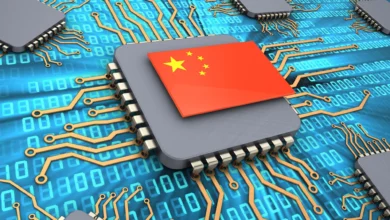
The H200 chip, unveiled two years ago, has more high-bandwidth memory than its predecessor, the H100, allowing it to process data more quickly.
According to a report released on Sunday by the non-partisan think tank the Institute for Progress, the H200 would be almost six times as powerful as the H20, the most advanced AI semiconductor that can legally be exported to China, after the Trump administration reversed its short-lived ban on such sales this year.
Export of the chip would allow Chinese AI labs to build AI supercomputers that achieve performance similar to top U.S. AI supercomputers, albeit at higher costs, the report also said.
Trump, however, said Nvidia’s latest Blackwell chips would not be allowed to be exported to China.
“Nvidia’s U.S. Customers are already moving forward with their incredible, highly advanced Blackwell chips, and soon, Rubin, neither of which are part of this deal,” he said.