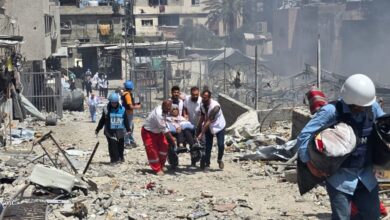
Zionist Forces Resume Military Assault, Tighten Siege in Southern Al Khalil

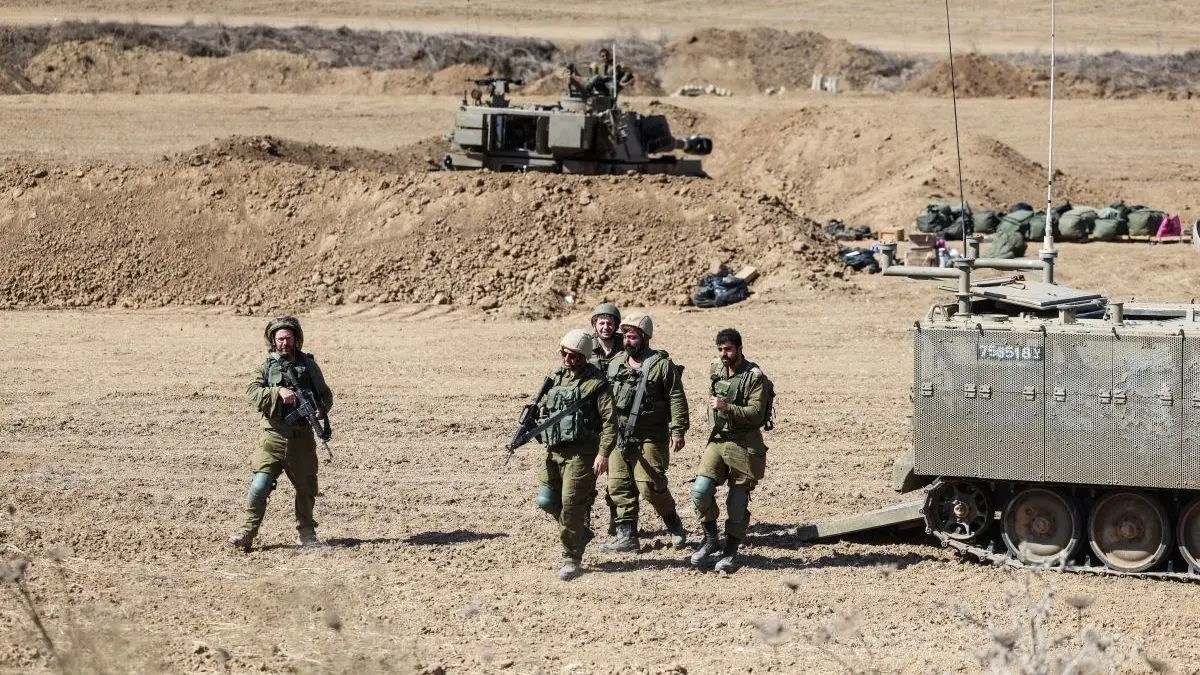
Zionist occupation forces resumed their military assault and reimposed repressive measures on Wednesday evening against the Palestinian citizens in the Jabal Johar area and the southern part of the city of Al Khalil, in the southern West Bank, according the Palestinian news agency WAFA.
The Zionist forces renewed their military offensive, which began three days ago, by fully sealing off the area and imposing a tight siege and a curfew on residents, WAFA correspondent reported.
Earlier on Wednesday, the Zionist forces briefly lifted the curfew for several hours, allowing residents to leave their homes on foot only, without vehicles, to obtain basic supplies.
During that time, soldiers assaulted residents, injuring five people who sustained fractures and bruises and were transferred to hospital for treatment.
For three consecutive days, the Zionist forces have carried out a military assault and imposed punitive measures affecting around 80,000 residents in Jabal Johar and southern Al Khalil.
The measures have included widespread home raids accompanied by the deliberate destruction of property, the detention and abuse of large numbers of residents and the storming of numerous commercial facilities, where doors were smashed and contents vandalized.
The Zionist forces also isolated many neighborhoods and homes from one another, installed new iron gates at the entrances of several areas, destroyed dozens of vehicles, and used the wreckage to block most secondary roads in the area.
Local activist Farid Barqan told WAFA that the intensified measures have brought daily life in the area to a complete halt.
He said residents are suffering from severe shortages of food supplies and essential medicines, including treatments for chronic illnesses and dialysis patients, as Zionist forces obstruct access to medical care and prevent patients from reaching hospitals.
In a related development, farmers, livestock breeders, and owners of more than 100 dairy farms in the area issued an urgent appeal to save their primary source of income.
The farms, which produce nearly 70 tons of milk daily, have been unable to transport their production to dairy factories since the start of the assault, raising fears of spoilage and significant financial losses for hundreds of families.