UNICEF Reports 45,000 First Graders Unable to Begin School Year in Gaza

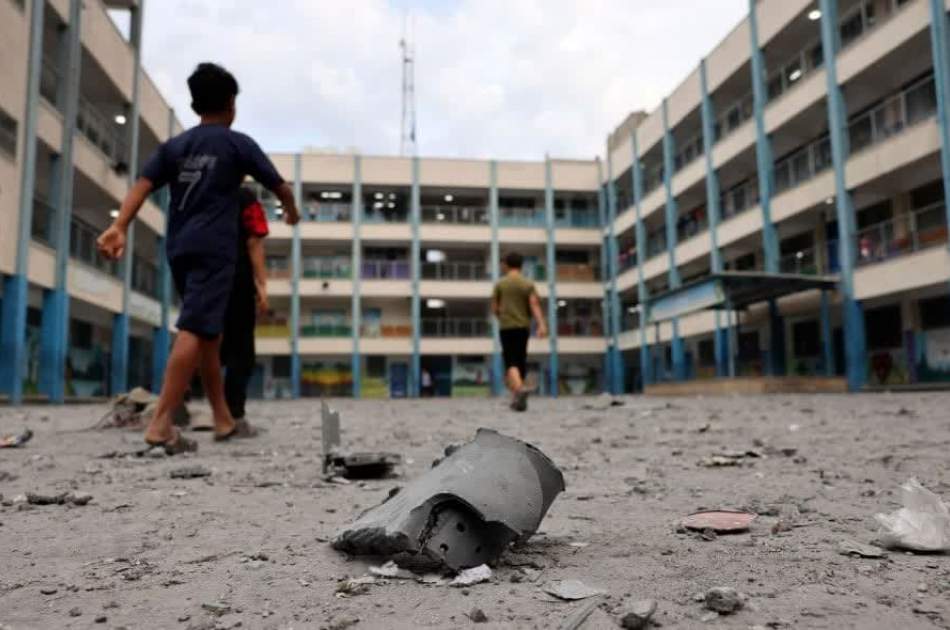
The United Nations Children’s Fund (UNICEF) has reported that, as children across the Middle East prepare for their first day of school, at least 45,000 six-year-old children in the Gaza Strip are unable to start their educational journey. The vast majority of these children have been displaced from their homes and are struggling for survival amid the ongoing conflict. This disruption is a severe blow to their right to education, with many facing severe daily challenges.
The new school year was scheduled to commence in the State of Palestine, but it has not yet resumed in the Gaza Strip due to the intense conflict, which continues to severely impact students, teachers, and schools. The first graders are added to a list of 625,000 children who have already been denied an entire school year. With the conflict still ongoing, there is a high risk that these children might face a second year without education, as noted in a UNICEF statement.
UNICEF Middle East and North Africa Regional Director, Adele Khodr, emphasized the severe consequences of the conflict, stating that children in Gaza have lost their homes, family members, and the sanctuary and stimulation that schools provide. This disruption poses a significant risk to their futures, threatening their cognitive, social, and emotional development. The absence of schooling not only hampers their growth but also increases the likelihood of exploitation, child labor, and early marriage.
The education crisis extends beyond Gaza. In the West Bank, including East Jerusalem, increasing violence and movement restrictions since October 2023 have created new barriers to learning for 782,000 students. Between 8 and 20 percent of schools in the West Bank have been closed on any given day since the start of the conflict. The fear of violence, combined with movement restrictions and mental health issues, has led many students to skip school, exacerbating the learning loss.
In response to the educational crisis, UNICEF and its partners have established 39 Temporary Learning Spaces in Gaza, serving over 12,400 students. They are also providing recreational activities, emergency learning kits, and Mental Health and Psycho-Social Support (MHPSS) to children, youth, caregivers, and teachers in shelters. However, with an 88 percent funding gap in UNICEF’s education program, there is an urgent need for increased support. UNICEF calls for a ceasefire in Gaza and de-escalation in the West Bank to enable the safe return of students to classrooms and the rebuilding of damaged schools.