UN rapporteur urges universities to cease “repression” against pro-Palestine student protests

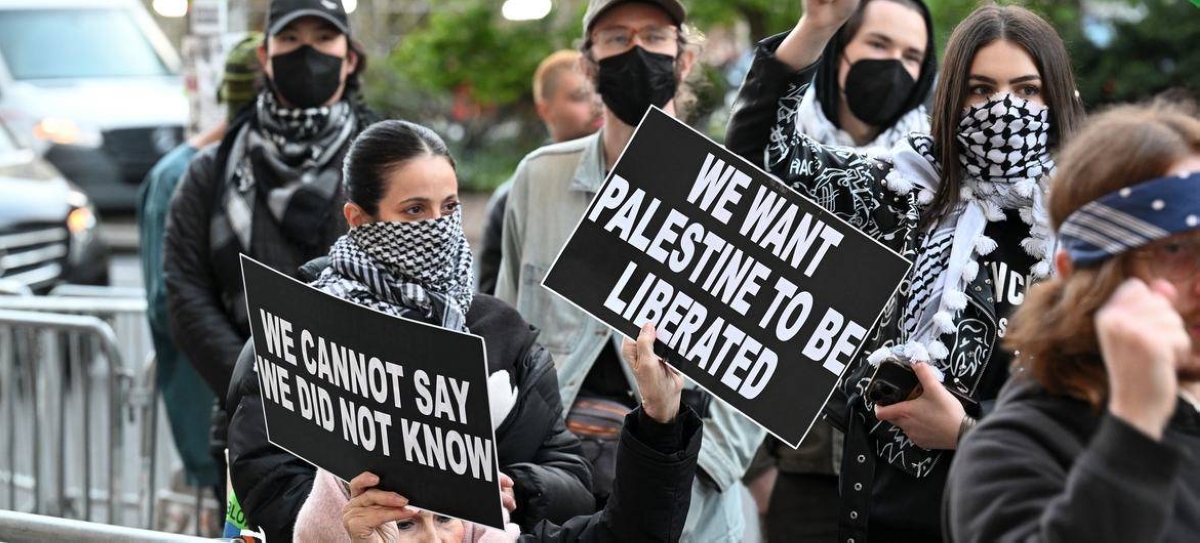
GENEVA – The United Nations Special Rapporteur on the right to freedom of peaceful assembly and association, Gina Romero, stated that universities “must review repressive policies” regarding the pro-Palestinian solidarity movement on their campuses and warned that “brutal repression of the university protest movement poses a deep threat to democratic systems and institutions.”
“After reviewing persistent allegations, and talking with around 150 people from 30 countries, including students and faculty members, I can conclude that the situation surrounding protests and international solidarity with the Palestinian people and victims within university environments, coupled with inadequate institutional responses, reveals a widespread hostile environment for the exercise of the rights to freedom of peaceful assembly and association,” Romero said.
It is crucial to “immediately cease the stigmatisation and hostilities that silence members of the academic community and discourage the exercise of their rights,” she continued.
International solidarity movements in favour of the Palestinian people, particularly their right to self-determination, have multiplied since the start of the genocidal Zionist aggression nearly a year ago.
Mass demonstrations, protests, camps, and other types of peaceful gatherings have taken place worldwide, most of which were led by university students. As students returned from the end-of-year break, peaceful gatherings resumed on campuses around the world, “re-joining the growing global movement to safeguard Palestinian rights and lives.”
In this context, Ms. Romero issued six recommendations for universities, urging them to “recognise and respect the importance of youth meaningful and free engagement, and their valuable contributions for human rights, dignity, peace, and justice.”
“Respecting and guaranteeing dissent is essential to ensuring the universities remain spaces for free thought, speech, and academic freedom, as well as to guarantee freedom of expression, assembly, and association,” Romero added.