South African Official: Morocco’s Greed for Western Sahara’s Natural Resources Prolongs Its Occupation

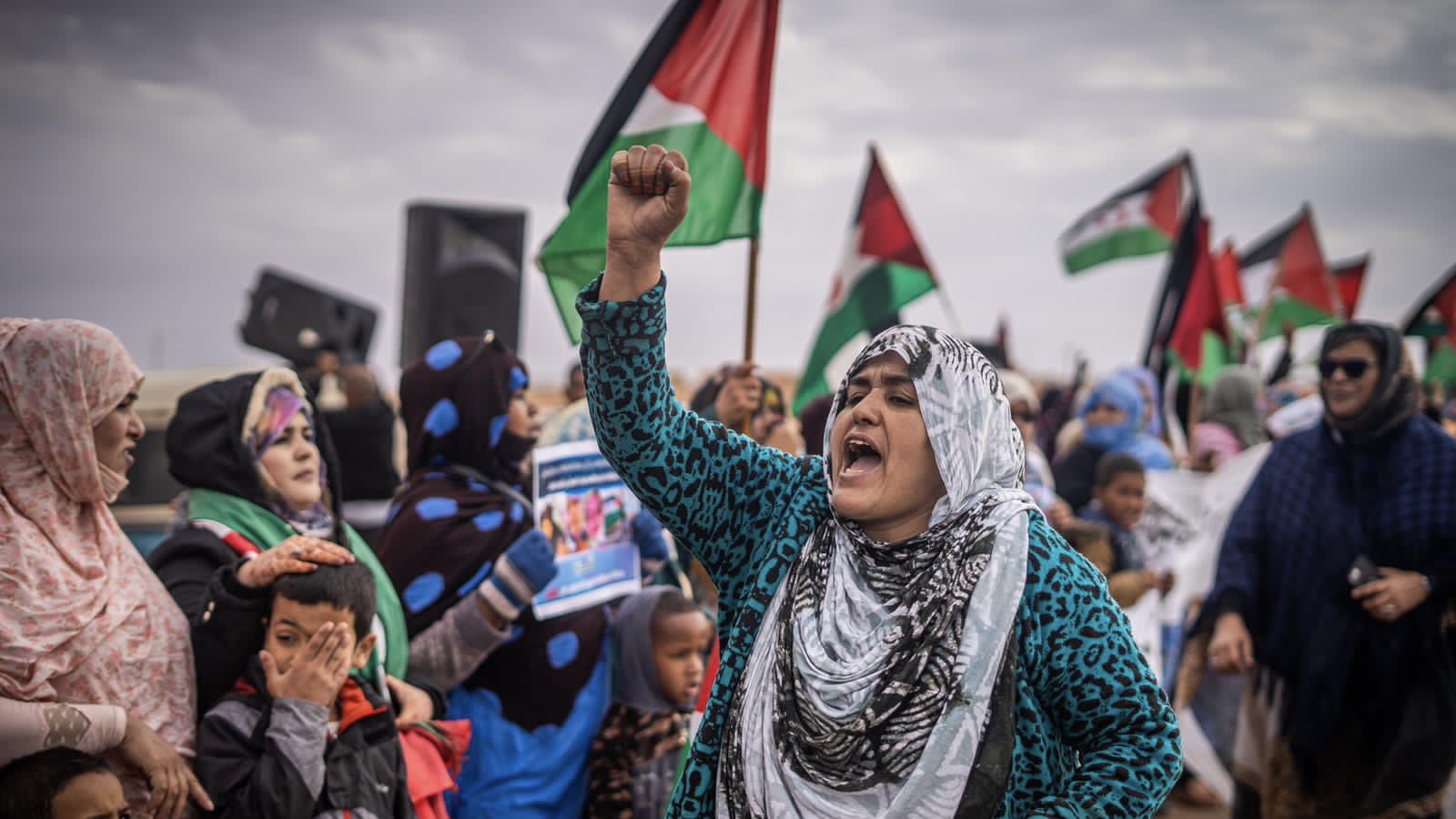
South Africa’s Deputy Minister of International Relations and Cooperation, Alvin Botes, who is also a member of the National Executive Committee of the African National Congress (ANC), has stated that Morocco’s greed for the natural resources of Western Sahara is the primary reason behind its continued occupation of the territory, which remains Africa’s last colony.
In a media contribution titled “The Resource Curse and the Struggle for Self-Determination,” published on the occasion of South Africa’s National Human Rights Day—commemorating the 1960 Sharpeville Massacre, where 69 people were killed and hundreds injured by apartheid police—Botes emphasized: “We must not forget those who are still denied their fundamental rights in Western Sahara, which continues to struggle for its people’s right to self-determination, decades after the rest of Africa was decolonized.”
He asserted that one of the main reasons for Morocco’s persistent defiance of international law and its continued occupation of Western Sahara is the region’s vast wealth in strategic minerals and marine resources. Western Sahara holds one of the world’s largest phosphate reserves, with the Bou Craa mine playing a crucial role in Morocco’s economy and strengthening its global market position in phosphate exports. Additionally, Morocco exploits the Atlantic waters off the coast of Western Sahara, which are rich in marine life and attract international fishing fleets, while also eyeing the region’s potential offshore oil and gas reserves.
Botes further noted that by occupying Western Sahara, Morocco aims to establish an exclusive economic zone that would allow it to secure lucrative fisheries agreements, export licenses, and other financial gains, relying on occupied ports such as Laayoune and Dakhla.
The South African official pointed out that this “resource curse” is not exclusive to Western Sahara but has fueled similar conflicts over critical minerals and energy resources worldwide, often accompanied by human rights violations. He cited the Zionist entity’s aggression against Gaza as an example, linking it to efforts to seize newly discovered offshore gas reserves. Similarly, ongoing violence in regions such as the Democratic Republic of Congo and Mozambique is often driven by the exploitation of natural resources, with foreign and regional interests profiting at the expense of local communities.
Reaffirming South Africa’s stance, Botes stressed that his country bears a “moral and legal responsibility, derived from international law and shared historical struggles, to support the Sahrawi people’s fight for freedom.” He described their plight as “one of the worst examples of colonialism, involving forced displacement, exploitation of land and marine resources, and systematic denial of fundamental rights.”
He concluded by emphasizing that “if we truly believe in justice, the people of Western Sahara must be free to determine their own future.” He also highlighted that South Africa’s 2025 Human Rights Theme calls for “entrenching a culture of social justice and human rights,” asserting that true social justice for the Sahrawi people can only be achieved through the implementation of UN General Assembly Resolution 1514. This resolution mandates the complete and unconditional eradication of colonialism in all its forms, urging the international community to honor its commitments by ensuring a referendum that guarantees the Sahrawi people’s right to self-determination and independence.