Morocco’s Role in the Global Cocaine Trafficking Trade : A Growing Concern

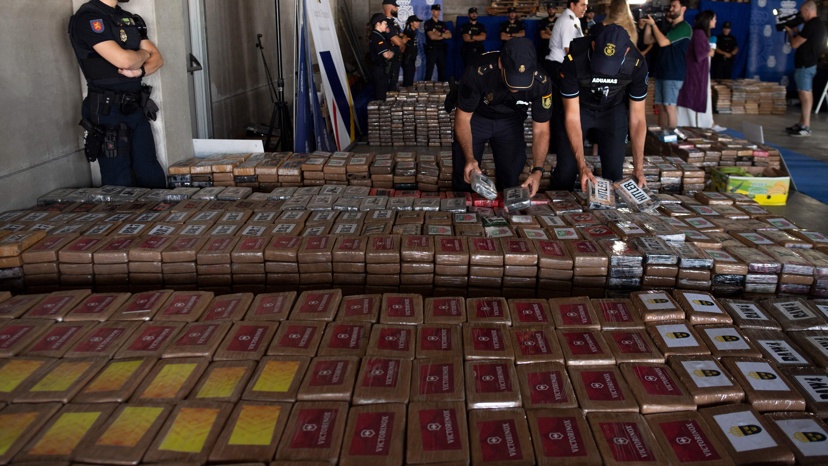
Morocco, the world’s leading producer and exporter of cannabis, has in recent years become a key hub for international cocaine trafficking. A recent Spanish security operation highlights this shift, with authorities seizing nearly three tons of cocaine introduced into Spain via the Guadalquivir River.
According to Spanish news outlet elfarodeceuta.es, the operation led by the National Police and Civil Guard involved a group of drug traffickers attempting to smuggle the cocaine and four military-grade weapons.
This operation reflects a broader change in the patterns of drug trafficking, transitioning from hashish smuggling from Morocco to increasing cocaine flows.
Authorities arrested four individuals connected to the operation, who were using a warehouse in La Puebla del Río, Seville, to store the illicit substances. Investigations indicated that those guarding the drugs had undergone paramilitary training, underscoring the sophistication of the trafficking networks.
Geographically close to Morocco, Spain remains a major entry point for cannabis resin into Europe and, increasingly, for cocaine. Recent media reports have also revealed large-scale operations by Moroccan criminal networks, including the use of professional divers to smuggle cocaine into the northern Moroccan city of Nador before its export to European markets.
Meanwhile, Spanish authorities continue to adapt their strategies to combat these evolving drug routes, even as traffickers innovate new methods, such as using drones to transport cannabis. These ongoing efforts highlight Morocco’s central role in the expanding global drug trade.