Ghana, Second-Largest Cocoa Producer, Increases Bean Prices by 45%

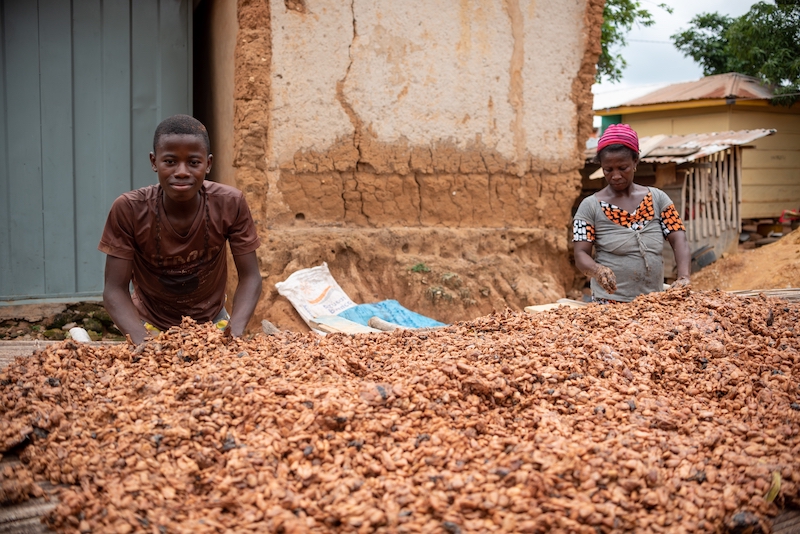
Ghanaian authorities announced on Wednesday a 45% increase in cocoa bean prices for the 2024/2025 season, primarily aimed at addressing smuggling issues amid soaring market prices.
Under the new pricing structure, producers in Ghana will receive $192 for a 64 kg sack of cocoa beans, up from $132, reflecting a substantial 45% rise.
Agriculture Minister Bryan Acheampong noted that over the past year, the production price of cocoa has experienced an “unprecedented surge of 129.36%.”
Earlier in April, Ghana had already raised the purchase price for cocoa producers by 58%. The current price now stands at approximately $3,000 per ton, a significant increase from $1,335 at the beginning of the 2023/2024 season.
Global cocoa prices have remained elevated for several months, with New York cocoa futures recently surpassing $7,000 per ton due to poor harvests in both Ghana and Côte d’Ivoire, the leading global producers.
In Ghana, the cocoa sector is heavily regulated, requiring farmers to sell their produce to the Ghana Cocoa Board (Cocobod), a government agency responsible for setting prices. However, some producers opt to smuggle their beans to capitalize on more favorable rates.
The Bank of Ghana estimates that the country lost $500 million in revenue during the first quarter alone, largely attributed to this smuggling issue.
The cocoa sector contributes approximately 10% to Ghana’s GDP and relies heavily on smallholder farmers, supporting about one million people out of the country’s 33 million population in West Africa.
Additionally, Ghana’s cocoa harvest has declined in recent years due to adverse weather conditions. Production costs have also soared, as fertilizers and other essential materials have become increasingly expensive.
Moreover, deteriorating road conditions have driven up transportation costs, further squeezing farmers’ profit margins. According to Cocobod, Ghana has lost 500,000 hectares of cocoa farmland in recent years, which represents approximately 29% of the total land previously dedicated to cocoa cultivation in the country.