US to end restrictions on Indian nuclear entities to boost energy ties

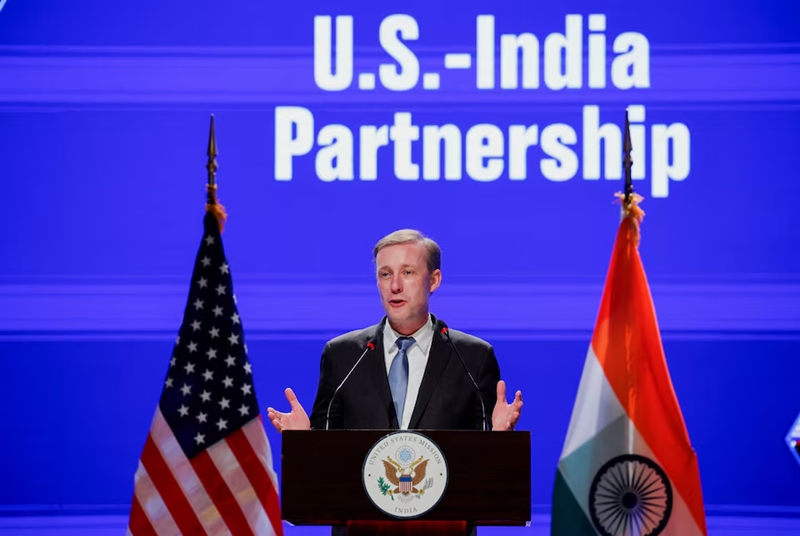
The U.S. government is in the process of removing restrictions on Indian nuclear entities, in a bid to forge deeper energy ties with New Delhi and bolster a 20-year-old landmark nuclear deal, National Security Advisor Jake Sullivan said on Monday.
Washington and New Delhi have been discussing supply of U.S. nuclear reactors to India since the mid-2000s and a deal signed by then President George W. Bush in 2007 allowed the United States to sell civilian nuclear technology to India.
But a longstanding obstacle has been the need to bring Indian liability rules in line with global norms, which require the costs of any accident to be channelled to the operator rather than the maker of a nuclear power plant.
“The United States is now finalizing the necessary steps to remove long-standing regulations that have prevented civil nuclear cooperation between India’s leading nuclear entities and U.S. companies,” Sullivan said at an event in New Delhi on the second day of a two-day visit.
It was not immediately clear what changes would be made to the regulation, and U.S. and Indian officials did not share any further details.
“The formal paperwork will be done soon, but this will be an opportunity to turn the page on some of the frictions of the past and create opportunities for entities that have been on restricted lists in the United States to come off those lists,” he added.
The U.S. Department of Commerce’s list currently includes at least four entities of India’s Department of Atomic Energy, and some Indian nuclear reactors and nuclear power plants.
India’s stringent nuclear compensation laws have previously hurt deals with foreign power plant builders, leading the country to defer its target to add 20,000 MW of nuclear power from 2020 to 2030.