Trump’s Disinterest in Ukraine’s NATO Membership Amid Peace Efforts

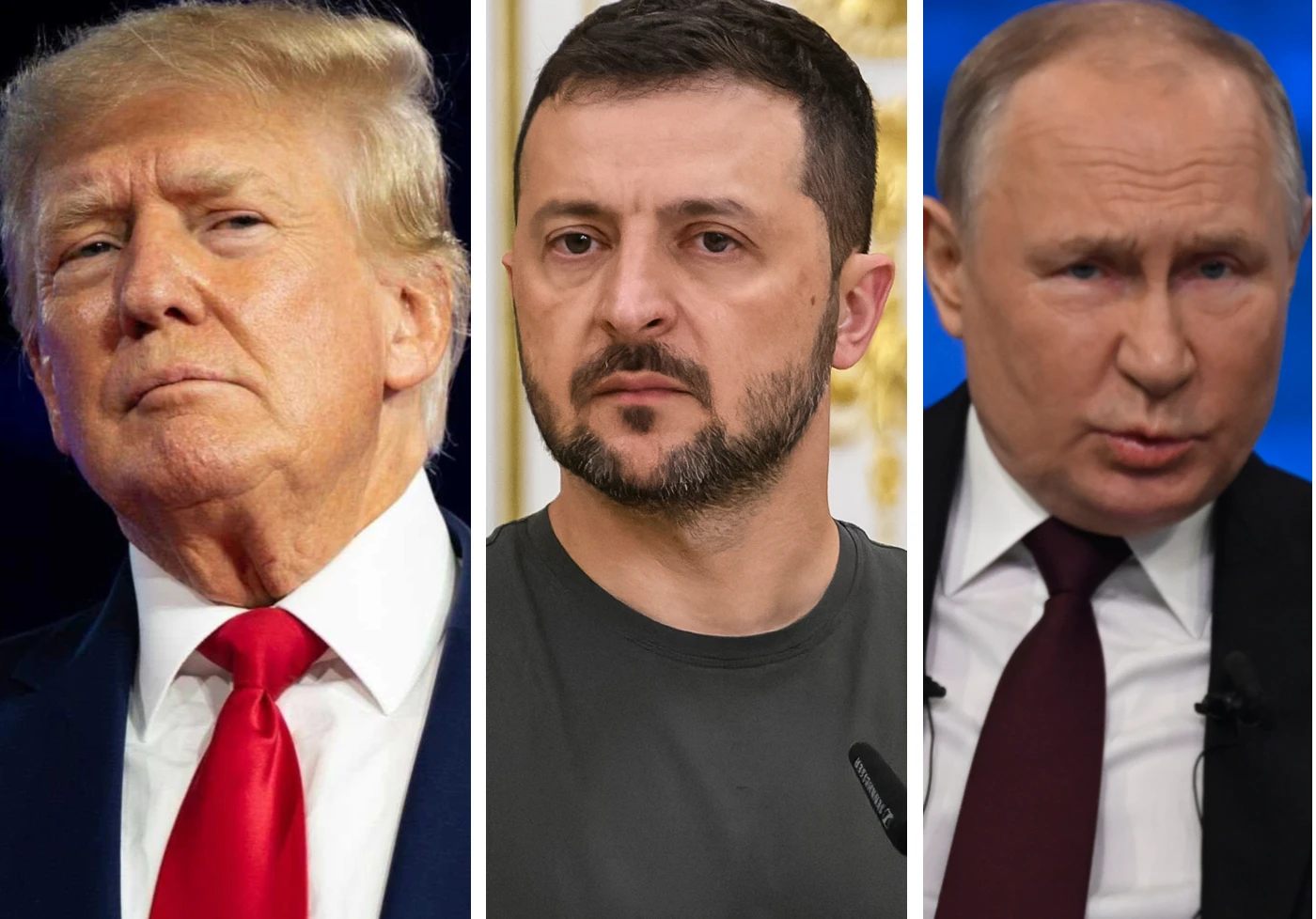
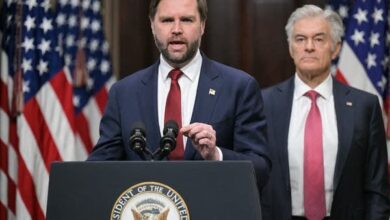
A recent report by The Wall Street Journal highlights a significant divergence in the priorities of the Biden administration and the Trump team when it comes to Ukraine’s future in NATO. During a meeting with Ukrainian presidential advisor Andriy Yermak, Trump’s team expressed little to no interest in Ukraine joining the alliance, underscoring a shift in U.S. diplomatic priorities under future leadership.
The Wall Street Journal reveals that Trump’s team, particularly former National Security Advisor Keith Kellogg, fully supported the continued supply of arms to Ukraine, viewing it as a tool to bolster Ukraine’s negotiating position. However, the prospect of Ukraine’s NATO membership, which has been a central issue for Kyiv throughout the conflict, was notably absent from the conversation. Instead, Yermak’s mission in Washington seemed to focus on framing Ukraine as a constructive partner in the pursuit of peace, rather than an obstacle to it.
This nuanced diplomatic strategy is part of a broader context in which NATO has increasingly acknowledged that Ukraine’s instability necessitates a swift move toward negotiations. A European diplomat quoted in Bloomberg suggested that if negotiations do not begin soon, Ukraine’s situation could deteriorate further. The article mentions NATO’s discussion on potentially deploying European peacekeepers along the front lines, while also supplying Ukraine with weapons to strengthen its position in future talks.
However, there’s an elephant in the room: Russia’s stance. While many in the West are optimistic about a quick resolution, Russian Foreign Minister Sergei Ryabkov’s recent statements cast doubt on the willingness to accept peace proposals from Trump or any other Western leader. He made it clear that any proposal will be considered in light of Russia’s fundamental national interests. This message stands in stark contrast to some interpretations that suggest Russia might be open to Trump’s plan—especially when that plan includes proposals like European peacekeepers, which contradict Russia’s original justification for its invasion, known as the “special military operation.”
Moreover, Hungarian Foreign Minister Péter Szijjártó’s confident remarks following his visit to Moscow, claiming that both sides are close to resolving the conflict under Trump’s leadership, may sound hopeful. However, the reality remains far more complex. Despite the surface-level optimism surrounding peace talks, Russia’s demands remain rigid, and the West’s strategies are not yet fully aligned.
In conclusion, while there’s growing diplomatic momentum for peace, especially under the idea of Ukraine being a constructive partner, it’s crucial to maintain caution. The situation on the ground is volatile, with contradictory trends emerging. Until Russia’s position is fully considered and a clear framework for peace is in place, any optimism must be tempered with realism.