Over 270,000 Expulsions in the US as Trump Threatens Mass Deportations

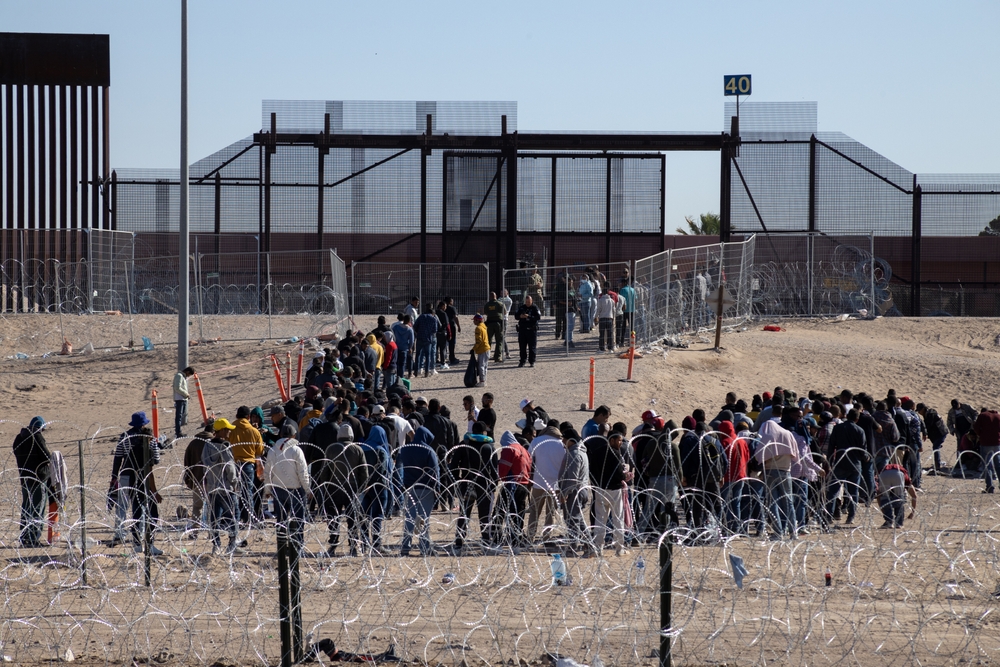
U.S. authorities have expelled more than 270,000 individuals in the past year, the highest number in the last decade, according to official estimates released on Thursday. This figure marks the final year of President Joe Biden’s term, just weeks before former President Donald Trump returns to power, vowing to carry out the largest deportation campaign in U.S. history.
Most of the individuals expelled had crossed the U.S.-Mexico border illegally, according to the Immigration and Customs Enforcement (ICE) agency. About a third had been charged or convicted of criminal activities. The expulsions occurred between October 2023 and September 2024, coinciding with the presidential election campaign.
Trump, who made tackling illegal immigration a key issue during his presidency, has promised to execute an unprecedented crackdown on undocumented migrants if he is re-elected. This has sparked concerns among migrant advocacy groups, who worry about the effects on vulnerable populations. However, Trump has not clarified the practicalities of implementing such a large-scale operation, and experts suggest it may be difficult to carry out with current resources.
Despite these challenges, ICE officials have reaffirmed their commitment to dealing with the issue. “Every year, our teams face enormous challenges—but each year, they meet them head-on,” said Patrick Lechleitner, Deputy Director of ICE.
Illegal border crossings surged when Biden took office in 2021 but have decreased significantly in the past year after the administration implemented stricter asylum procedures. In 2022, the Pew Research Center estimated that around 11 million people were living in the U.S. without legal status, a figure Trump and his allies believe is much higher.
Many undocumented migrants contribute to the U.S. economy by working in low-wage jobs and paying taxes. Critics of Trump’s proposed mass deportations argue that such actions could harm the economy, creating labor shortages in industries like agriculture and construction. Economists warn that these shortages could drive up prices, potentially undermining Trump’s promise to reduce inflation.