Nora’s Road Home: Echoes of War, Seeds of Peace

For nearly three decades, the mountains of the Caucasus bore witness to one of the most brutal and complex conflicts of our time. Nagorno-Karabakh became a land defined by grief—tens of thousands killed, hundreds of thousands displaced, entire generations raised under the shadow of fear.
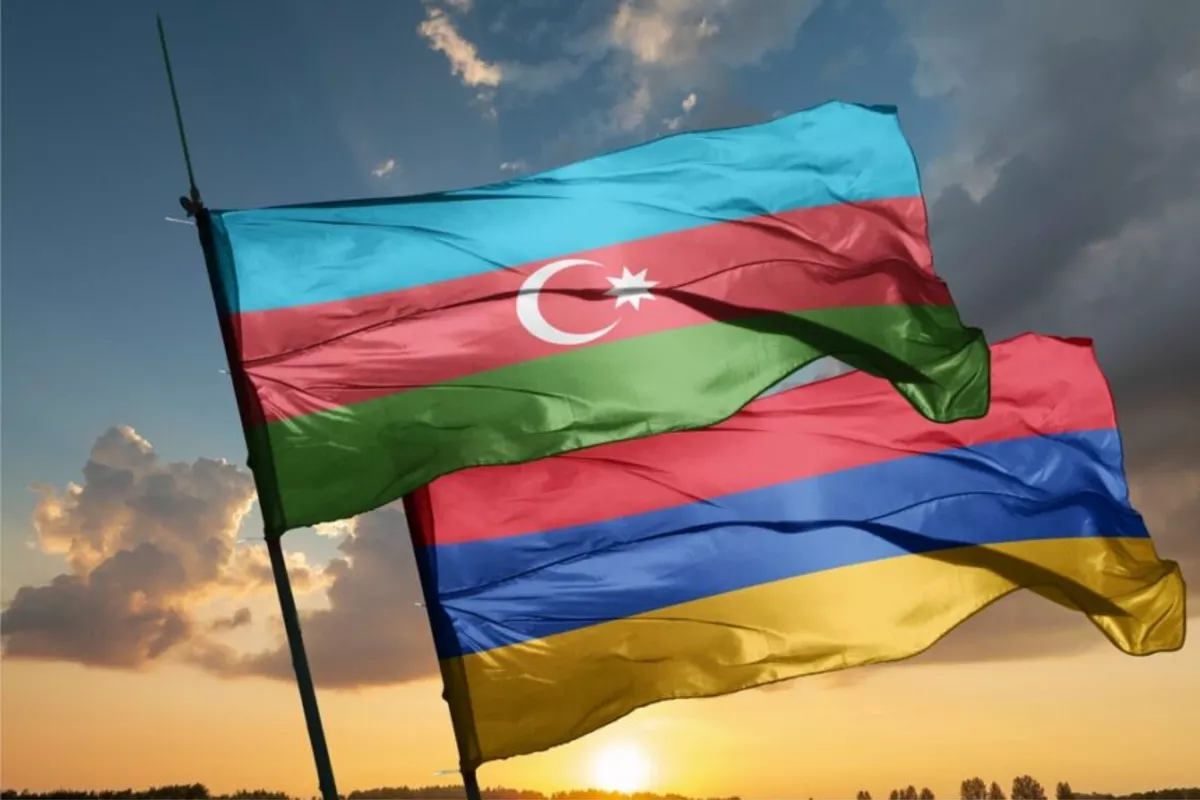
But on August 8, 2025, history shifted course. Inside the White House, under the auspices of U.S. President Donald Trump, Armenia and Azerbaijan signed a peace agreement—an act that sought to close a bitter, violent chapter. For politicians, it was a treaty. For survivors, it was a fragile chance to breathe again.
Among those survivors is Nora, a woman whose story reflects the pain and persistence of thousands like her. On September 25, 2023, as shells rained down over Nagorno-Karabakh, Nora fled her home with her grandmother, parents, siblings, husband, and children. They carried nothing but fear and a few pieces of bread baked the night before. For three days, they moved through valleys and ruined roads, drinking from rivers, unable to sleep as the sound of shelling followed them even in the silence of night.
Nora was pregnant during the siege. Hunger and exhaustion consumed her. She miscarried, with no hospital nearby, surviving only on potatoes they had planted. “We couldn’t sleep,” she recalls. “Even as we fled, the sound of shelling never left us.” Today she lives in a cramped apartment in the Armenian town of Barakar, with no electricity, no gas, no running water. Her seven-year-old brother still wakes in terror every night, convinced he hears bombs exploding again. “He needs treatment,” she says softly. “And I… all I want is to return home.”
Before fleeing, Nora and her sister recorded their last moments in the house: bread cooling on the table, a final meal of boiled potatoes, the sound of a door closing—perhaps forever. A relative hurled a cupboard of canned food outside, not out of anger but as a desperate farewell to a homeland slipping away.
Now, as leaders shake hands and pens strike paper in Washington, the question remains: what does peace truly mean? Politics cannot rebuild homes reduced to rubble. Treaties cannot erase trauma. But they can open doors—for children to dream again, for families to return, for survivors like Nora to reclaim lives stolen by war.
“I want to return to Nagorno-Karabakh,” she says, her voice steady despite the weight of her story. “I want my brother to live his childhood without fear. I want to dream again.”
Peace is not only born in grand halls or written in official agreements. It is carried in the voices of the displaced, in the courage of those who endured, in the quiet persistence of hope. Nora’s story is one of thousands. A story of loss, survival, and the belief that even in the ashes of war, the road home begins with peace.